Korva is a scroll of the internet’s best ideas.
Medieval parents paid, got little back

Support often did not stop when childhood did: parents frequently kept supporting their children throughout adulthood. Older children did light work at home, but at just the age they might have become a net economic asset, 13 or 14, they were usually sent away to acquire skills and savings through apprenticeship or working in service.
Money did not generally flow back. Some children may have remitted part of their income to their parents, but it was not standard, and parents generally paid for the apprenticeships themselves. Grateful children sometimes supported their parents in old age, yet that does not seem to have been the norm either.
Why were teenagers sent to live in other households?
Across northwestern Europe, many young people spent years as servants or apprentices in households other than their parents', a pattern historians call life-cycle service. It let a teenager learn a trade and moved labor to households that needed it. Life-cycle service ended when young people married and set up households of their own, often in their mid or late twenties.
How did medieval apprenticeship work?
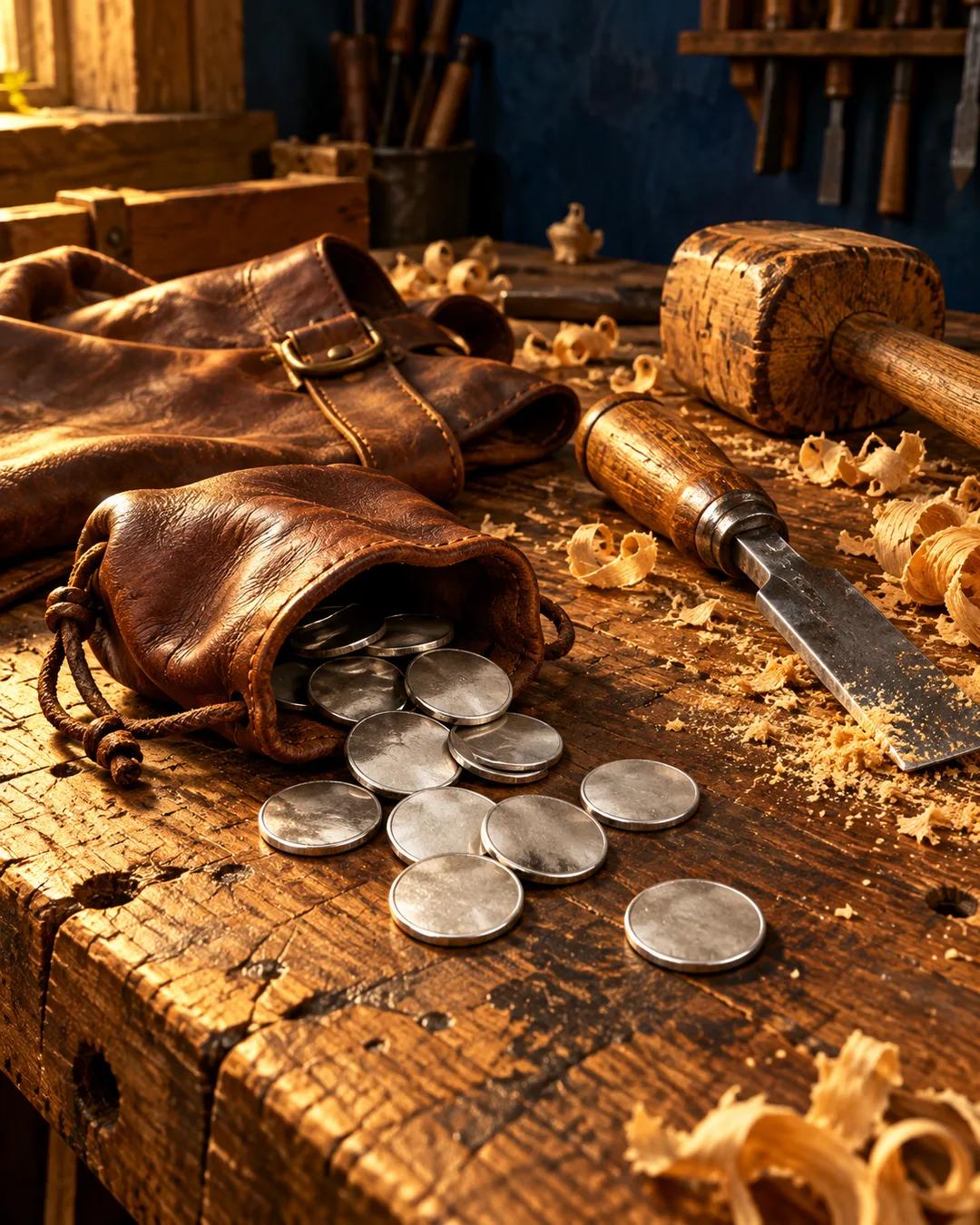
A young person was bound by a written contract, called an indenture, to a master craftsman for a fixed term, often around seven years in London guilds. The master provided food, lodging, and training in the craft. Parents or guardians often paid the master a fee at the start. Guilds set the terms and controlled who could practice a trade in a town.
How did elderly people get by without pensions?
There was no state pension in the Middle Ages. Some older people worked as long as their strength allowed, and others relied on neighbors, church charity, or almshouses founded by wealthy donors and religious houses. Historians have found records of retirement agreements in which older tenants passed land to a younger person in exchange for food, lodging, and care for life.
More from Samuel Hughes