Korva is a scroll of the internet’s best ideas.
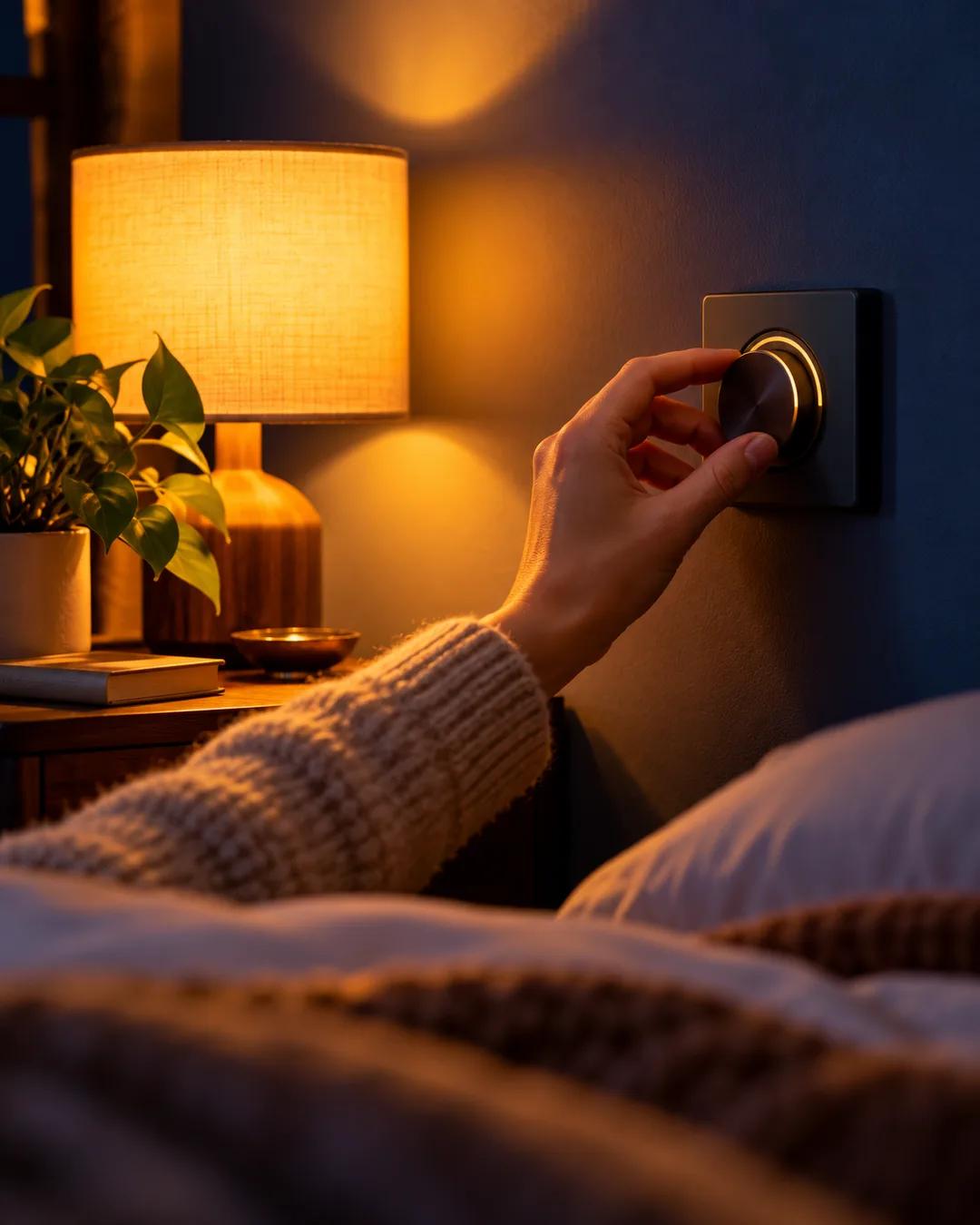
Melatonin is a wind-down signal

What melatonin does
Melatonin does not make anyone sleep. It starts the physiological process of winding down, which is a different job from a sleeping pill. People use it like a sleeping pill anyway, and there is no evidence that this improves things.
Where it helps
The exceptions are flying across several time zones, where it can help the body move to a specific zone, and severe circadian rhythm disorders, where the timing of sleep is badly off. A mild wish to shift sleep timing is unlikely to be helped as much.
Why people feel it work
Few of the people taking it have a deficiency. The benefit many feel may be a placebo effect, a strong sleep drive, or other healthy sleep habits started at the same moment. For the most common sleep problems, no real benefit shows up in the majority of people using it.
Where does the body make melatonin?
Melatonin is made by the pineal gland, a pea-sized structure deep in the brain, on instructions from the master body clock. Light reaching the eyes shuts production off, so levels stay low through the day. In dim light they begin to rise about two hours before habitual bedtime, a marker researchers call dim-light melatonin onset. Levels peak in the middle of the night and fall back by morning.
Why does jet lag take days to fade?
The body clock shifts by roughly an hour a day after a flight across time zones, so a large change takes several days to absorb. Flying east is usually harder than flying west, because it requires the clock to move earlier, and most people's internal day is slightly longer than 24 hours. Organs such as the liver and the gut adjust at different rates from the brain's master clock. This mismatch between clocks is what produces the sluggish, out-of-sync feeling.
How does melatonin work differently from sleeping pills?
Many prescription sleep drugs, such as benzodiazepines and the so-called Z-drugs, act on GABA receptors, which dampen activity across large parts of the brain. Melatonin binds instead to two receptor types, MT1 and MT2, found mainly in the brain's master clock. Its effect is on timing signals rather than on general sedation. In the United States melatonin is sold as a dietary supplement, while in many other countries it is a prescription medicine.
More from Something You Should Know