Korva is a scroll of the internet’s best ideas.
The Experiments
The experiments came from Mark Mayford's lab at Scripps and from Susumu Tonegawa, who won a Nobel for work on immunoglobulins before becoming a neuroscientist. An animal learns a task: that a shock waits on one side and not the other, that a reward waits on one side, a maze, or a lever press combination that earns a reward. Recording tools for the hippocampus are good enough to capture the pattern of signals while the animal learns and every time it repeats the behavior.
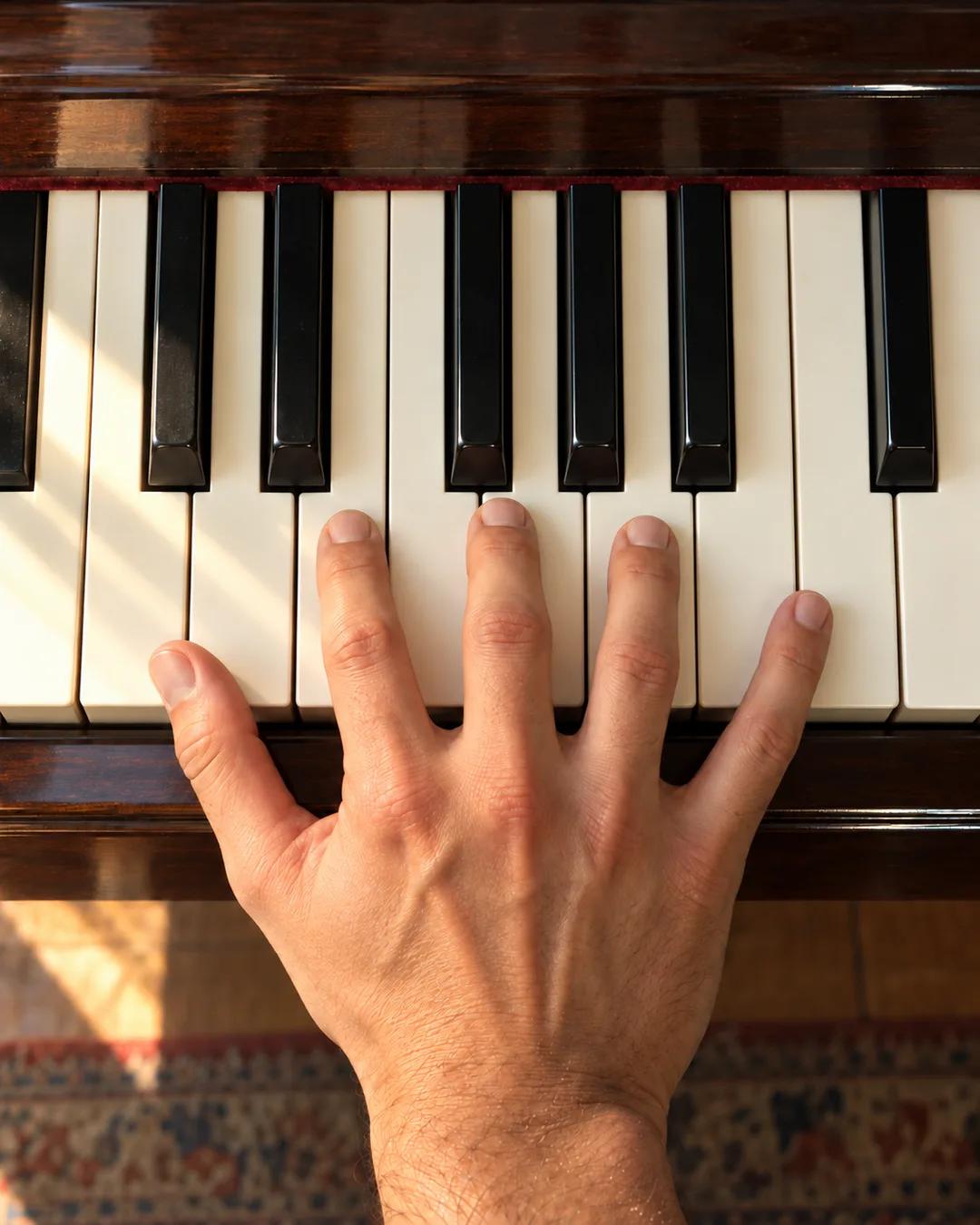
The researchers tagged the neurons active during the behavior with a chemical marker and reactivated them in the original sequence, and the behavior returned. In the control experiments, the same neurons were activated in the opposite sequence, and then all at once, like banging on every piano key instead of playing the song. The behavior came out the same.
Why Order Was Expected
Textbooks hold that the temporal order of firing matters for memory, thinking, and plasticity. In vision, the direction of flow is critical: cut the path from eyes to thalamus to cortex at the thalamus and perception disappears, as human patients show. For memory, order apparently does not matter.
Those same neurons also take part in many other perceptions and behaviors, so a circuit used for a tennis serve is also used for some aspect of thinking about something from childhood. Activating a select set of them with high spatial and temporal precision is very hard to begin with.
How do scientists tag neurons active during learning?
Many labs link a genetic switch to an immediate early gene such as c-fos, which turns on in neurons that have just been strongly active. The switch drives production of a light-sensitive protein only in those cells. A drug such as doxycycline controls the time window in which tagging can happen. In 2012, Tonegawa's group used this approach to reactivate a fear memory in mouse hippocampal cells.
How does light switch neurons on?
The tool is called optogenetics, and it borrows channelrhodopsin, a protein from the green alga Chlamydomonas. The alga uses it to swim toward light. When blue light hits the protein, it opens a pore and positively charged ions flow into the cell. That current makes a neuron fire within milliseconds.
Why does vision depend on the direction of flow?
Signals from the retina travel to the thalamus, specifically a relay called the lateral geniculate nucleus, and from there to primary visual cortex at the back of the brain. Each stage builds on the previous one, from spots of light to edges to shapes. Damage to primary visual cortex can leave a person with cortical blindness even though the eyes work normally.
More from Invest Like the Best with Patrick O'Shaughnessy