Korva is a scroll of the internet’s best ideas.
Memphis may lie under a museum
Early Memphis Missing
Memphis stood just south of where the Nile splits into the delta, was the capital by the Third Dynasty, and stayed an important, populous city down to Roman times. The pyramid fields of Saqqara and Giza are its cemeteries, ranged along the desert edge, so its general location was never in doubt. Yet excavations in the 1980s traced its levels back only to the Middle Kingdom, and little earlier turned up.
The Shifting Nile
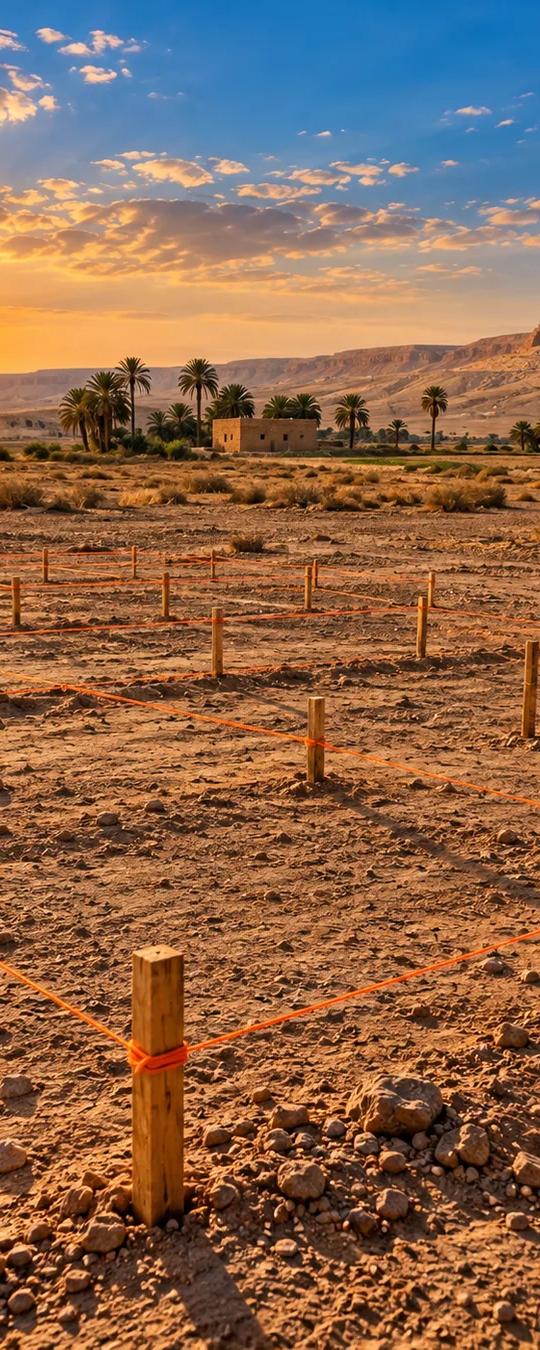
The Nile can move hundreds of meters to the west or east. When it did, people shifted the center of the city so harbors and other infrastructure stayed on the water's edge, and the river may have swallowed buildings it moved toward. The original city probably lay a long way west of the New Kingdom levels that archaeologists dug, so for a long time they were looking in the wrong place.
Searching Under Saqqara
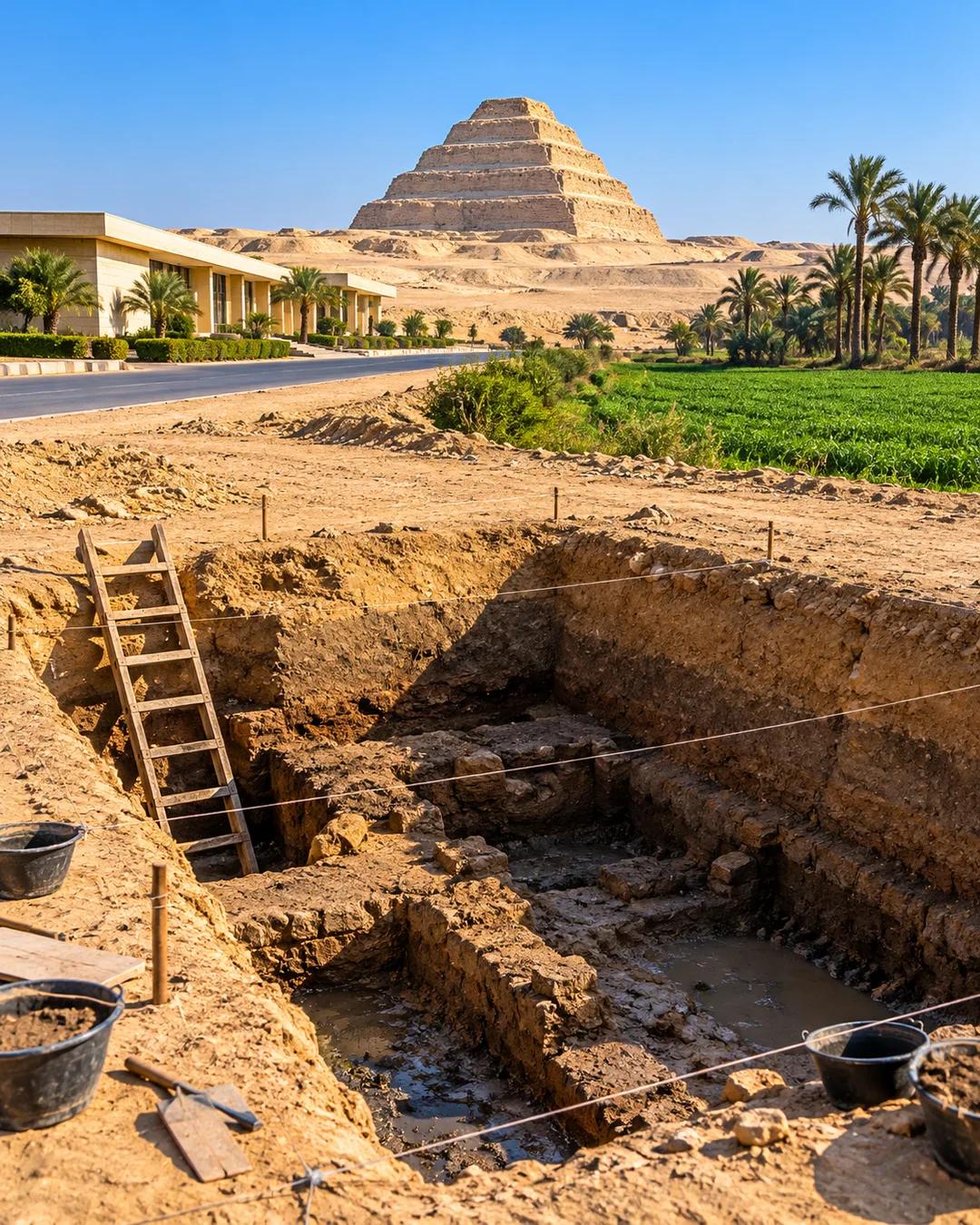
Proving it might mean digging up the road and the museum both. Early travelers carrying copies of Herodotus and Strabo came expecting spectacular monuments, since Memphis features in so many great stories, including Alexander the Great's time there. They stood scratching their heads where it should have been.
Why does the Nile shift its course?
Rivers on flat floodplains drop silt, which slowly raises the riverbed and banks until the water spills into a lower path. Each year's flood carried new silt across the Egyptian plain, so the Nile's channel could migrate over centuries. This continued until the Aswan High Dam, completed in 1970, began trapping the silt in Lake Nasser.
Why were pyramids built at the desert's edge?
Egyptians placed cemeteries on the west bank of the Nile, the side where the sun set, which they linked with the realm of the dead. The desert plateau also stood above the reach of the annual flood, and it left the farmland free for growing crops. Solid rock there made a firm base for large stone structures, with quarries close by. The pyramid fields of Giza and Saqqara both stand on the Nile's west bank.
Why did Memphis stay important for so long?
Memphis was the home of the worship of Ptah, the god of craftsmen, and of the Apis bull, a living bull treated as Ptah's herald. Kings continued to have ceremonies and building work there through many dynasties. The Greek geographer Strabo, who visited Egypt around 25 BC, described Memphis as large and populous. He placed it second only to Alexandria in size.
More from The Ancients