Korva is a scroll of the internet’s best ideas.
Microbes burn methane without fire

Burning methane without fire
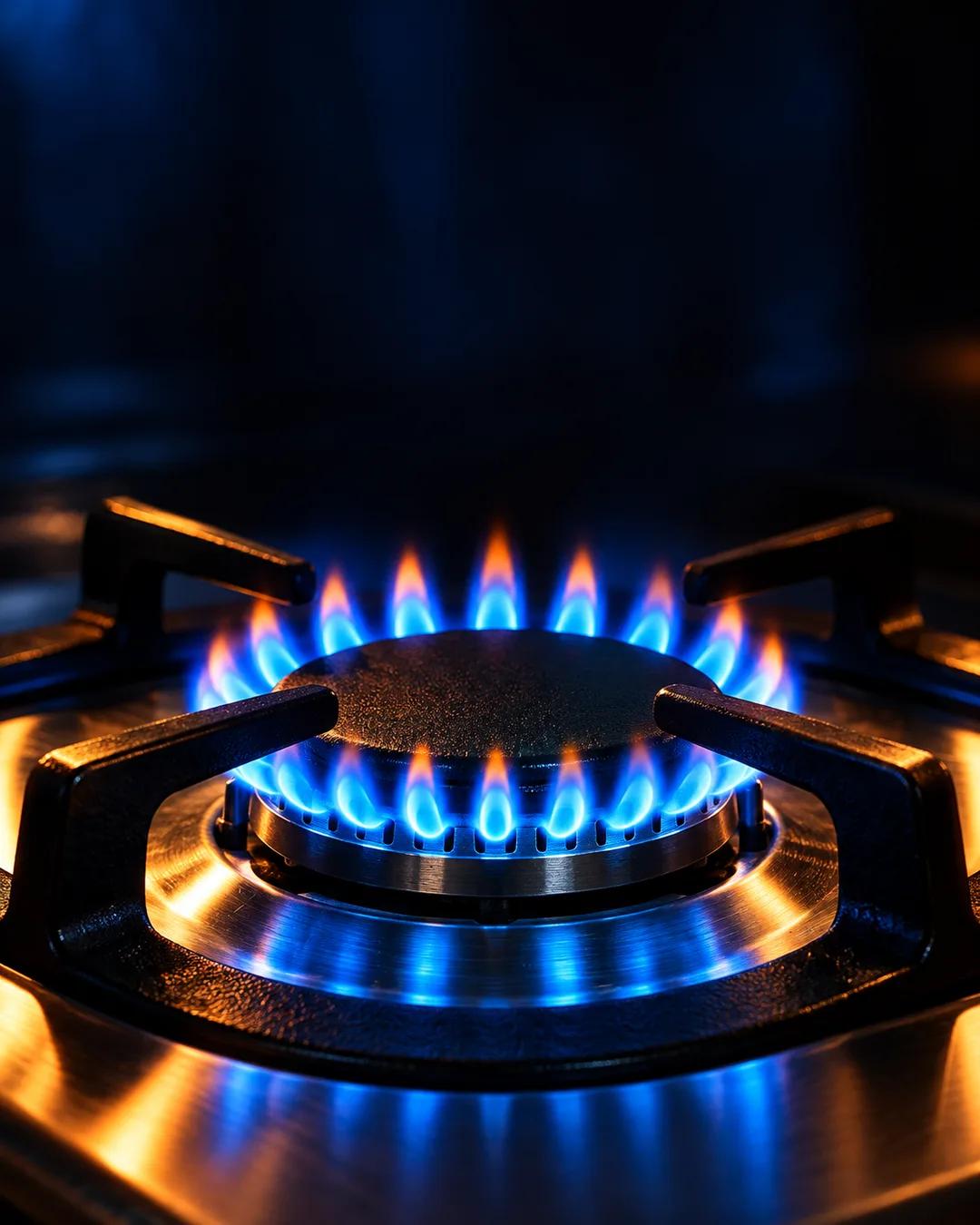
A natural gas stove burns methane, sometimes mixed with propane, and gives off carbon dioxide and water vapor. Some microbes have enzymes that catalyze the same reaction. They light no little fires. They combine methane and oxygen, give off carbon dioxide, and capture the energy that comes out.
How microbes make a living
Understanding how an organism makes a living starts with what it eats and what it gives off. Energy is neither created nor destroyed, so every living thing has to tap into it somewhere. Plants and algae use special molecules that capture sunlight and move electrons around inside the cell, like making electricity. Microbes pull energy out of chemical reactions instead, and the methane one is the easiest to relate to.
Once thought impossible
Hydrogen and oxygen give off water. Plenty of microbes also make a living the way people do, eating dead or living organic matter, and those are called heterotrophs. As recently as 30 or 40 years ago, the common view was that microbes could not make a living off methane.
How do microbes eat methane without oxygen?
In seep sediments, archaea known as ANME work with sulfate-reducing bacteria to oxidize methane using sulfate from seawater. The two partners often grow in tight clusters. A team led by Antje Boetius reported in Nature in 2000 that such consortia live at methane seeps. This process consumes a large share of the methane rising through sea floor sediment before it reaches the water.
Why was eating methane thought impossible?
Methane is one of the most stable molecules a cell can handle. Its four carbon-hydrogen bonds are strong, and breaking them takes specialized enzymes. In oxygen-free mud, the chemistry is even harder because there is no oxygen to pull the reaction forward. Evidence for the ocean version first came from chemical profiles of sediment that showed methane disappearing at certain depths.
Why does the deep sea hold so much methane?
Much of it is locked in methane hydrate, a solid in which water molecules form cages around methane. Hydrates are stable only at the low temperature and high pressure found in sediments along continental margins. The methane comes from microbes breaking down buried organic matter and from deeper gas rising from below. If the sediment warms or the pressure drops, the hydrate breaks down and releases the gas.
More from Ologies with Alie Ward