Korva is a scroll of the internet’s best ideas.
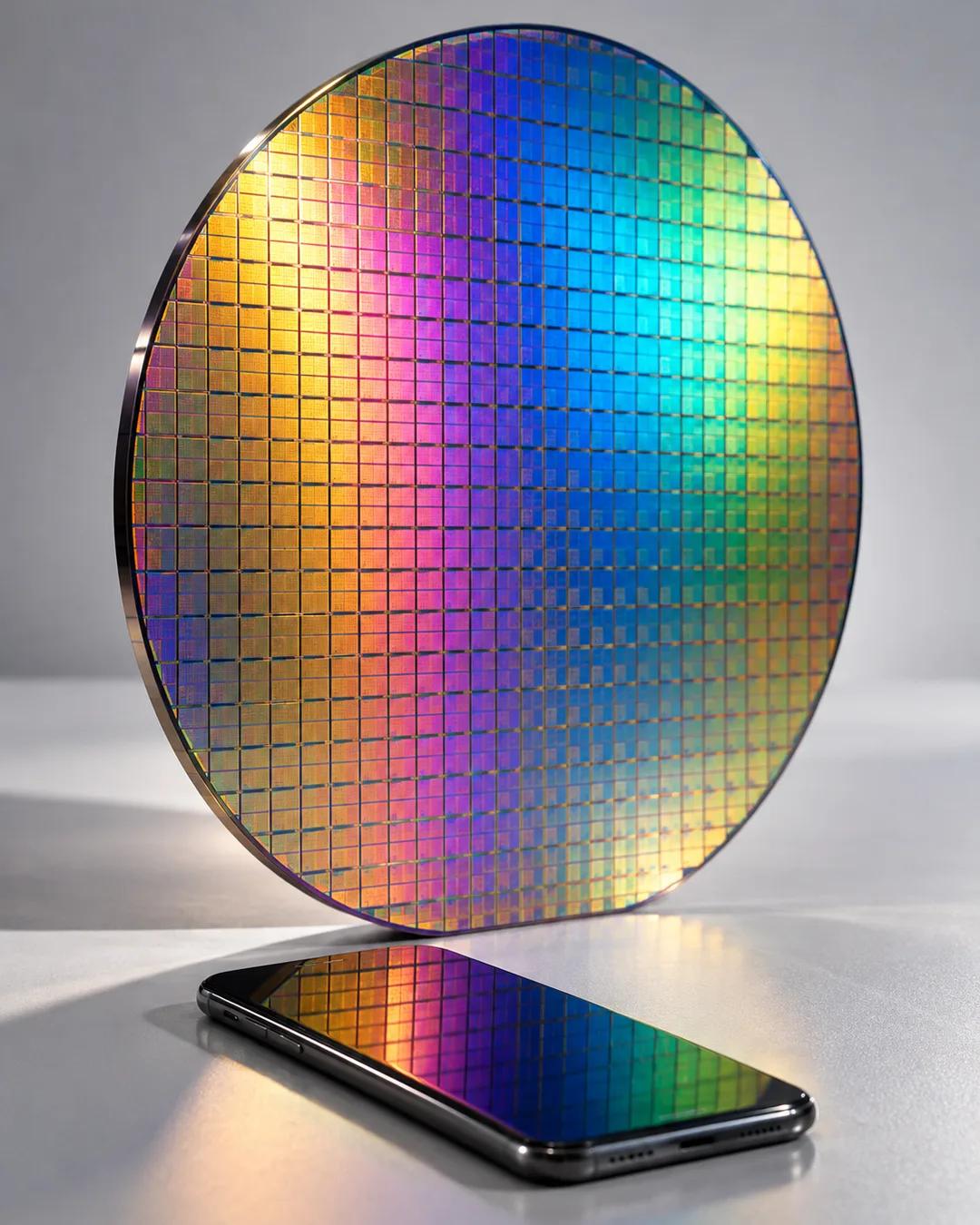
Morris Chang invested through the recession

A cautious pullback
Chang retired from TSMC in the late 2000s, and new leadership took over just as the Great Recession arrived. The company pulled back its planned spending, which fit a culture that was already conservative about big bets.
Chang reverses course
Chang returned with a blunt message: the iPhone had just launched, it was the biggest opportunity the company had ever seen, and the job was to invest, not cut. TSMC kept investing through the Great Recession and through that downturn.
What the spending built
That spending laid the foundation for TSMC taking over leading-edge semiconductors. The call took guts, from an executive in a culture that doesn't tend to make those sorts of bets. The fabless model built around Chang's company is critical to what tech is and what it does.
Why did the iPhone matter so much to TSMC?
Smartphones created an enormous, steady demand for chips made on each new manufacturing generation. A foundry that serves many customers spreads the huge cost of its equipment across all of them, and phone volume filled that capacity. The first iPhone went on sale in June 2007.
How does the fabless chip model work?
Companies such as Nvidia, Qualcomm, and AMD design their chips and hand the manufacturing to a foundry. That removes the need to build a factory that can cost billions of dollars, so a small design team can compete. TSMC was founded in 1987 by Morris Chang as the first pure-play foundry, which means it makes chips for others and designs none of its own.
Why do chip factories cost so much to build?
A leading-edge fab needs cleanrooms, ultra-pure water, enormous power supply, and tools that each cost tens or hundreds of millions of dollars. The tools are ordered years ahead and installed by specialist crews. In 2020, TSMC announced plans for an Arizona fab at a cost of $12 billion.
More from Invest Like the Best with Patrick O'Shaughnessy