Korva is a scroll of the internet’s best ideas.
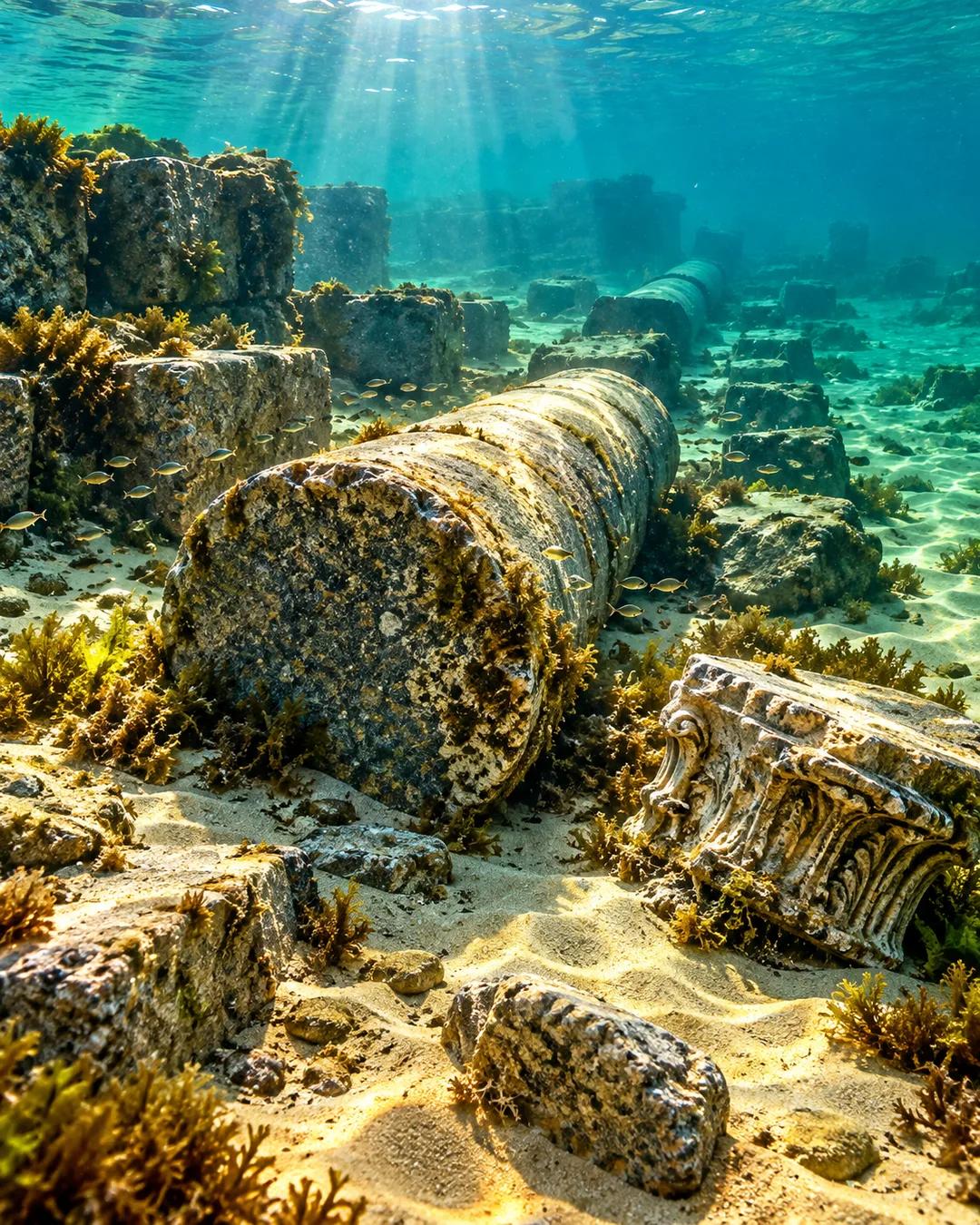
Much of ancient Alexandria is underwater
Monuments Lost
The city is extraordinarily well described in texts, and its celebrated buildings include the Museion, the famous library, and the Lighthouse, one of the wonders of the ancient world. None of them survive. Strabo's account is the best description of the city and the relative positions of its buildings, but modern Alexandria sits over the whole ancient city and a great deal more, so for a long time nobody knew where individual buildings stood.
Underwater Finds
Underwater archaeology in the Great Harbor has now uncovered monumental remains of some of those buildings, though they are not preserved well enough to say much about their form. Farther east along the coast, at the western edge of Abu Qir Bay, there were at least three very sizable settlements in ancient times, and underwater work there has been a revelation too.
The Royal Tombs
The tombs of Alexander the Great and Cleopatra are almost certainly in the city as well. Alexander's may have stood further inland, may have survived the tsunami, and may still lie beneath the modern city.
How did a tsunami strike Alexandria?
A powerful earthquake in the eastern Mediterranean on 21 July in AD 365 lifted the seabed and sent a tsunami across the sea. The Roman historian Ammianus Marcellinus wrote that the waves left ships stranded on rooftops in Alexandria. Modern studies of the quake place its epicenter near the island of Crete. Its waves also struck other coasts of the eastern Mediterranean.
Why do coastal ruins lie underwater there?
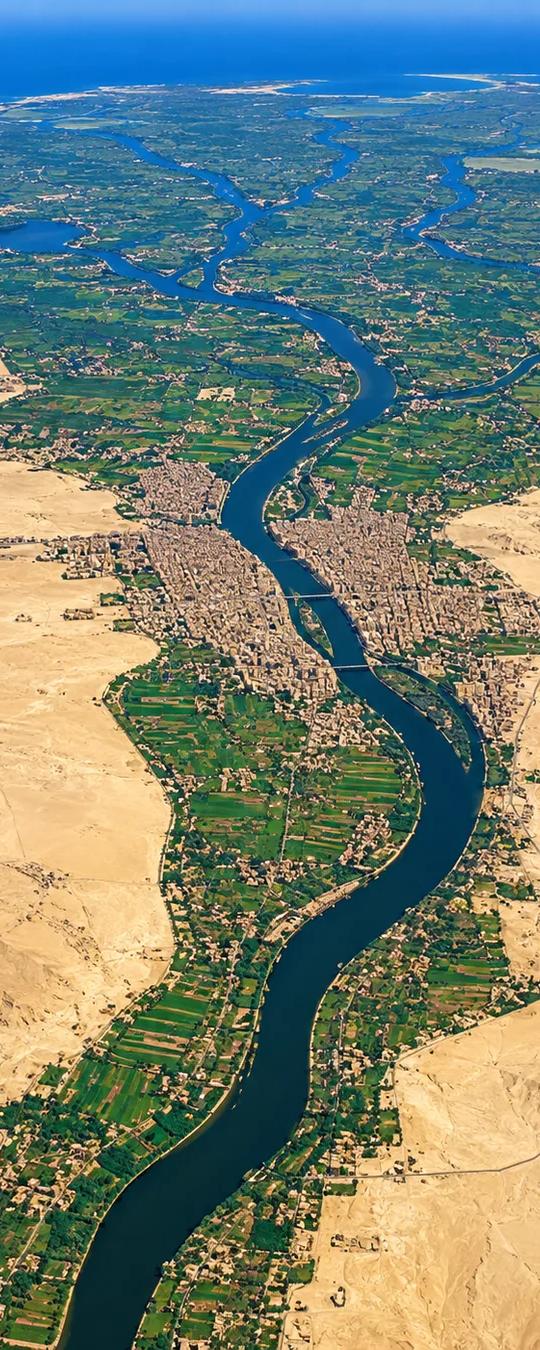
The Nile delta is built from soft sediment that compacts under its own weight, so the ground slowly sinks. Rising sea level, earthquakes, and tsunamis have added to the loss of coastline. At Abu Qir Bay, a team led by the underwater archaeologist Franck Goddio found the sunken city of Thonis-Heracleion in 2000. Its remains lie under several meters of water.
Why did Alexander found a city here?
Alexander founded Alexandria in 331 BC on a strip of land between the Mediterranean and Lake Mareotis. The island of Pharos sheltered the harbor from the sea. The lake connected to the Nile by canals, so goods from the Egyptian interior could reach ships bound for Greece. The site also lay away from the silty mouths of the Nile that clogged other harbors.
More from The Ancients