Korva is a scroll of the internet’s best ideas.
No gap between you and experience

No gap in flow
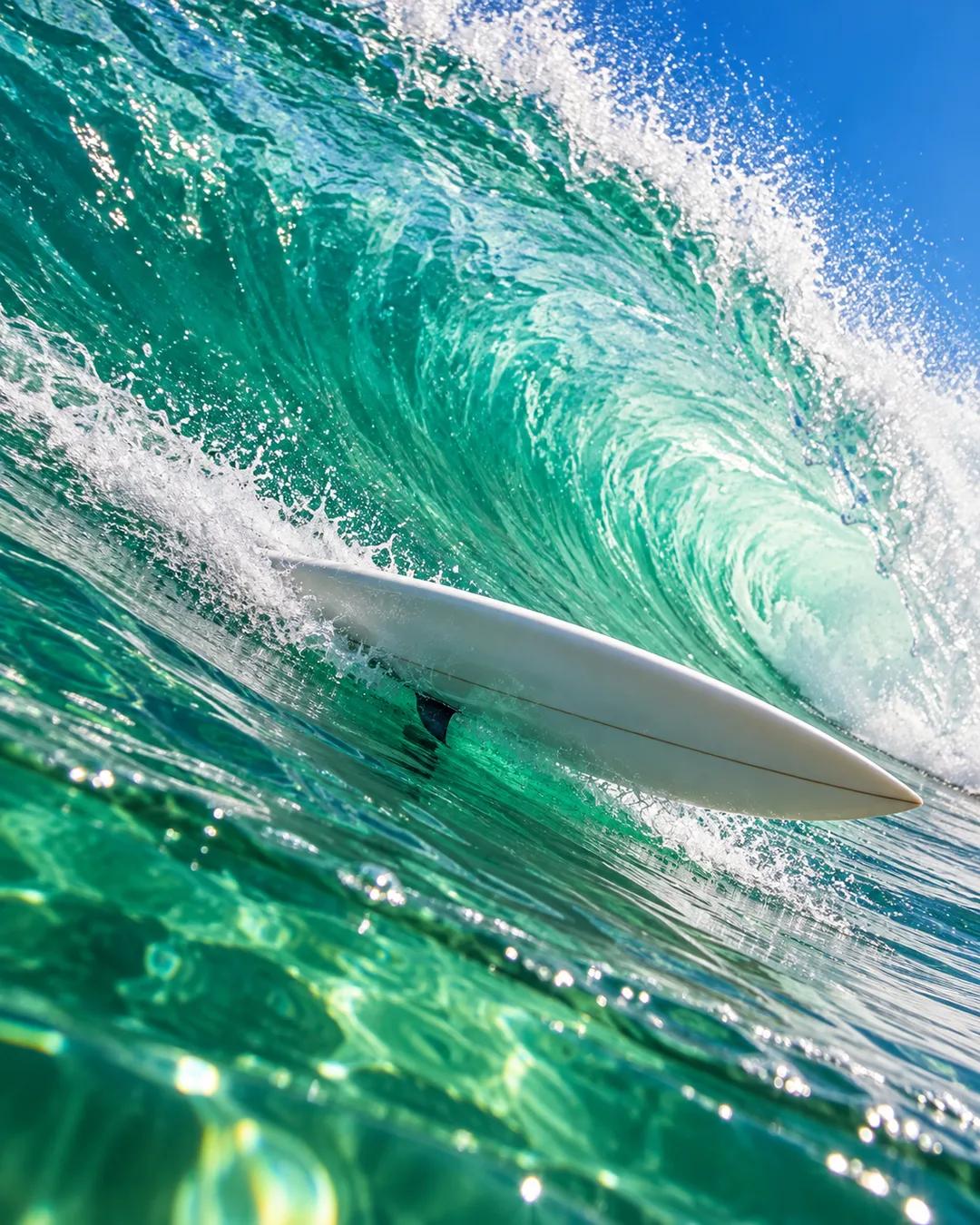
Peak moments in athletics, art, or sex entail a short period with no distance between the person and the experience. No one is looking over their own shoulder, anticipating the next moment, or micromanaging errors, like a surfer on a wave. Thinking pulls people out of these moments with remarks about how good that was and how to get back to it, or, at a sunset, with commentary about how amazing it is and a wondering about real estate prices there.
The river and the bank
Early in practice, meditation can seem like sitting on a riverbank watching the contents of consciousness flow by, more and more dispassionately, no longer grabbing at the pleasant or pushing away the unpleasant. Someone doing this dualistically still feels like the meditator, a subject aiming attention. The truth is that the person is the river.
Rare unity
War, with the enemy shooting, or the peak of an athletic event where everything happens automatically can force that unity, and such moments make up 1/100th of 1% of a life. Meditation is a way of understanding the mechanics of attention that deny the unity so much of the time, a denial based on a misperception of how consciousness always already is.
How do researchers study flow states?
The psychologist Mihaly Csikszentmihalyi named flow in the 1970s after interviewing climbers, chess players, and artists about their best moments. He later developed the experience sampling method, in which people carry a pager and answer questions about their state whenever it goes off. His research identified conditions that favor flow, including clear goals, immediate feedback, and a challenge matched to a person's skill. People in flow often reported losing track of time and of themselves.
Why does flow make time seem to vanish?
In 2003, the neuroscientist Arne Dietrich proposed the transient hypofrontality hypothesis. It holds that during flow, activity in parts of the prefrontal cortex temporarily decreases. Those regions support self-monitoring and the sense of time passing. If so, the quieting of those circuits would explain why self-awareness and time-keeping fade together.
Why does watching yourself hurt performance?
Sian Beilock and colleagues tested skilled golfers and soccer players in 2002. When golfers were told to attend to the steps of their putting stroke, they performed worse than when they were distracted. Beilock's explanation is that attention to well-learned steps interrupts a skill that runs automatically. Novices, whose skill is not automatic, were not hurt the same way.
More from Andrew Huberman