Korva is a scroll of the internet’s best ideas.
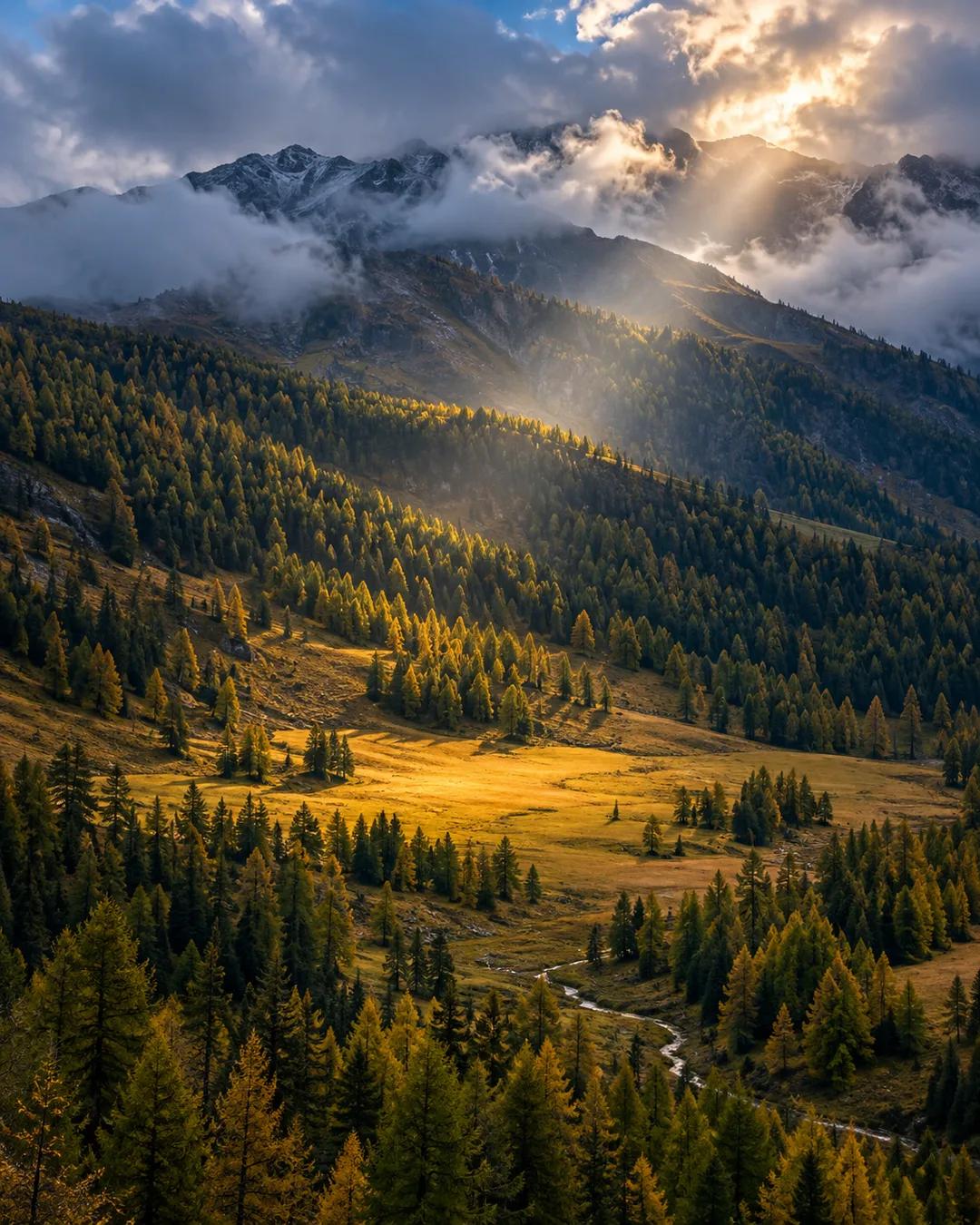
No likeness of Genghis Khan allowed
No Likeness
He lived in a tent and ate, dressed, and lived the way his soldiers did, telling them they were the same. He controlled more wealth than almost anyone alive, yet he was never greedy or acquisitive. The first portrait came in 1278, painted by an artist who never saw him, and the first statue did not appear until the twenty-first century.
The Unmarked Grave
He chose an unmarked grave. He asked that his body be let go and his nation live, and Kublai Khan was buried with him in an anonymous grave too. Mongolians believe they know the general place and treat it as sacred: no roads, no buildings, no killing of animals, no chopping of trees, and no tour groups.
The Statue
When Mongolia built its official statue of him in this century, for the 800th anniversary of the Mongol nation, it chose the Lincoln Memorial as the model. He sits in front of the parliament as the great lawgiver, and the government issued stamps with the image.
Why has Genghis Khan's tomb never been found?
Mongol tradition kept royal burial sites secret, and the burial is thought to be in the Khentii mountains in northeastern Mongolia. A legend says horses trampled the ground afterward to erase the spot. The area, called the Ikh Khorig, was a restricted zone for centuries. In 2015 UNESCO listed the Great Burkhan Khaldun mountain and the surrounding sacred landscape as a World Heritage site.
How did the Soviet era treat Genghis Khan?
Mongolia was a Soviet satellite from the 1920s to 1990, and honoring Genghis Khan was discouraged. Officials treated him as a feudal figure who could stir nationalism. Public celebration returned after the communist system ended in 1990. A large seated statue of him was unveiled in front of the parliament in Ulaanbaatar in 2006.
More from Lex Fridman Podcast