Korva is a scroll of the internet’s best ideas.
No one was allowed to cry
A Grandson Lost
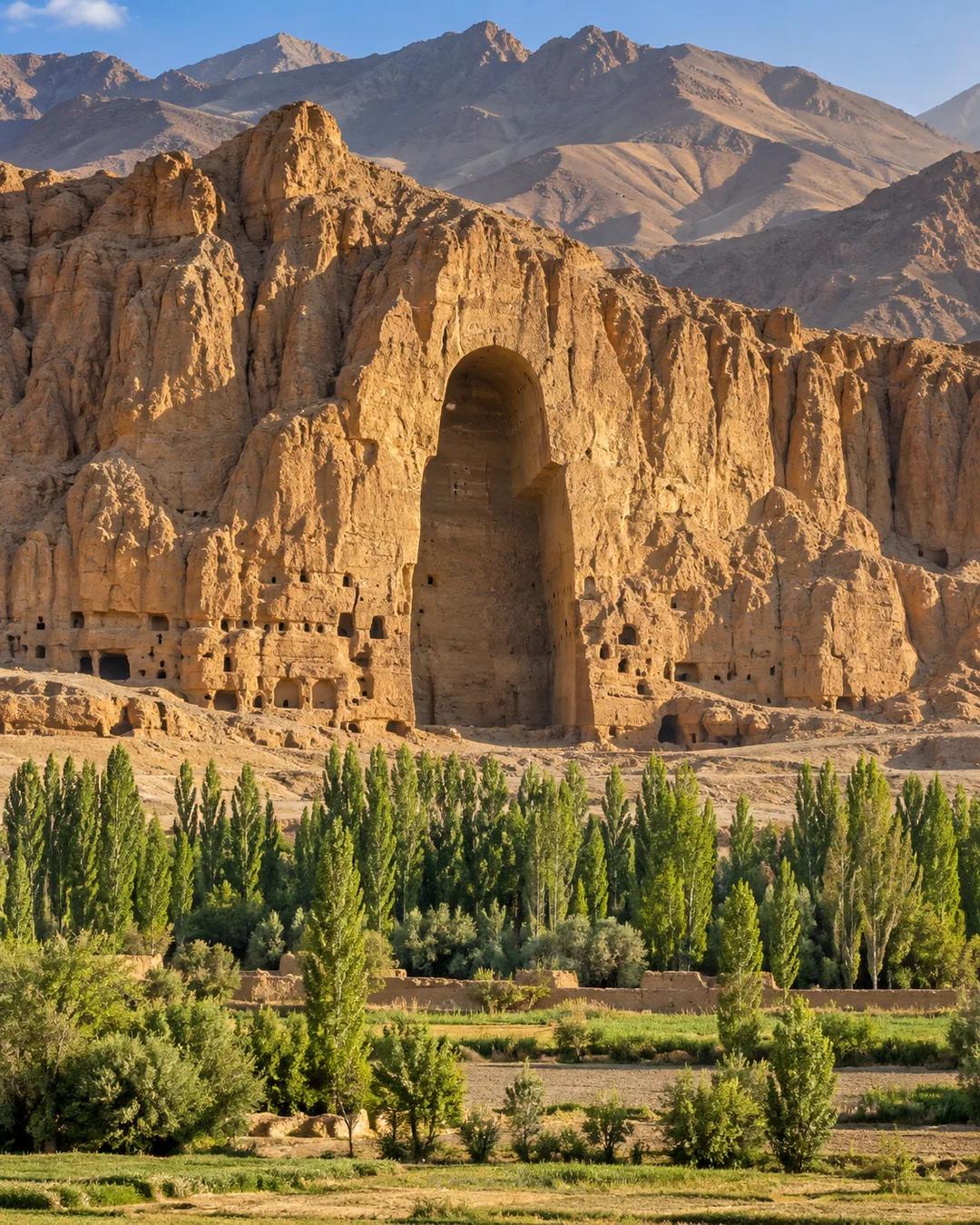
Until then Genghis Khan had never lost a son or grandson in battle. This grandson traveled with him and had the happy childhood Temujin never had. Sent to conquer the valley of Bamiyan, where the great Buddhas stand, he was shot down.
The Order
Genghis Khan told no one publicly. He summoned the boy's father, who did not know why, and made him promise not to cry or moan before telling him his son was no more. No one else was allowed to cry either, and Genghis Khan ordered that the people of Afghanistan be made to cry.
Revolts and Reprisal
Many cities took the death of the man seen as heir as a reason to hope and revolted. The ones that did not revolt were not killed, and the ones that did were killed entirely. The slaughter went on for weeks and then wore itself out, when Genghis Khan recognized he had let emotion overcome practicality, and he stopped it.
What happened to Bamiyan after the grandson died?
The grandson was Mutugen, a son of Chagatai. After he was killed in the siege in 1221, Genghis Khan ordered Bamiyan destroyed. Its ruined citadel is still called Shahr-e Gholghola, the City of Screams. The great Buddha statues carved into the cliff survived the Mongols and stood until the Taliban destroyed them in March 2001.
Why did Herat revolt after the Mongols left?
Mongol armies swept through Khorasan in 1220 and 1221, and many cities surrendered on terms. When the rival Khwarezmian prince Jalal al-Din Mingburnu won a battle at Parwan in 1221, several cities rose against their Mongol governors. Herat rebelled and was retaken after a siege in 1222. Chroniclers say the Mongols executed a large part of its population.
More from Lex Fridman Podcast