Korva is a scroll of the internet’s best ideas.
Nobody trusted voters or Congress
Ruling out the options
The delegates feared handing more power to the legislature, and they feared too much direct democracy. A direct election would also make the small states meaningless. And since most Americans barely knew anyone in other states, it was hard to see how they could judge a candidate from beyond their own borders.
How the electors work
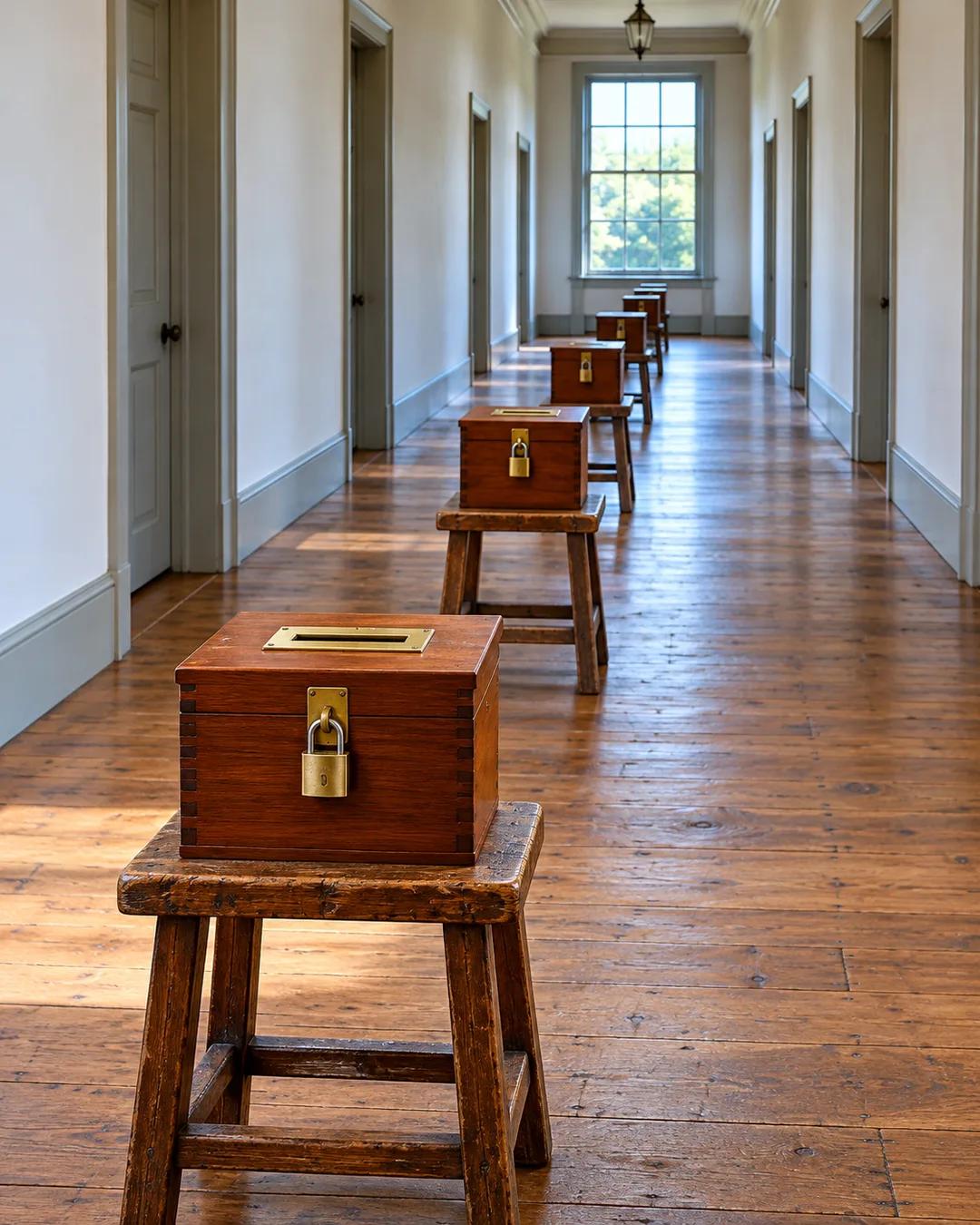
Their answer gave each state as many electors as it had members of Congress, senators and representatives combined. Each state decides how to choose its electors, and the electors vote in their own states, never meeting nationally, to avoid intrigue. Each elector votes for two people. The majority winner becomes president and the runner-up becomes vice president, and if no one has a majority, the House of Representatives chooses from the top five candidates.
Because electors are counted by seats in Congress, the Three-Fifths Compromise boosted the South here, too. The Twelfth Amendment later modified the system, and it evolved dramatically over the years.
Why did the Twelfth Amendment change the system?
Under the original rules, each elector cast two votes without saying which was for president. In 1800, Thomas Jefferson and Aaron Burr, running mates, tied with 73 electoral votes each. The House took 36 ballots to choose Jefferson. The Twelfth Amendment, ratified in 1804, introduced separate ballots for president and vice president.
How many electors are there today?
There are 538 electors, matching 435 House members, 100 senators, and three electors for the District of Columbia. The District's electors were added by the Twenty-third Amendment in 1961. A candidate needs 270 electoral votes to win. If no one reaches that number, the House picks the president, with each state delegation casting one vote.
What happened in the 1796 election?
John Adams won the presidency with 71 electoral votes. Thomas Jefferson finished second with 68 and became vice president. The two were political rivals from opposing parties. It was the only election in which a president and vice president from opposing camps took office together under the original rules.
More from History That Doesn't Suck