Korva is a scroll of the internet’s best ideas.

Not fit to listen to founders
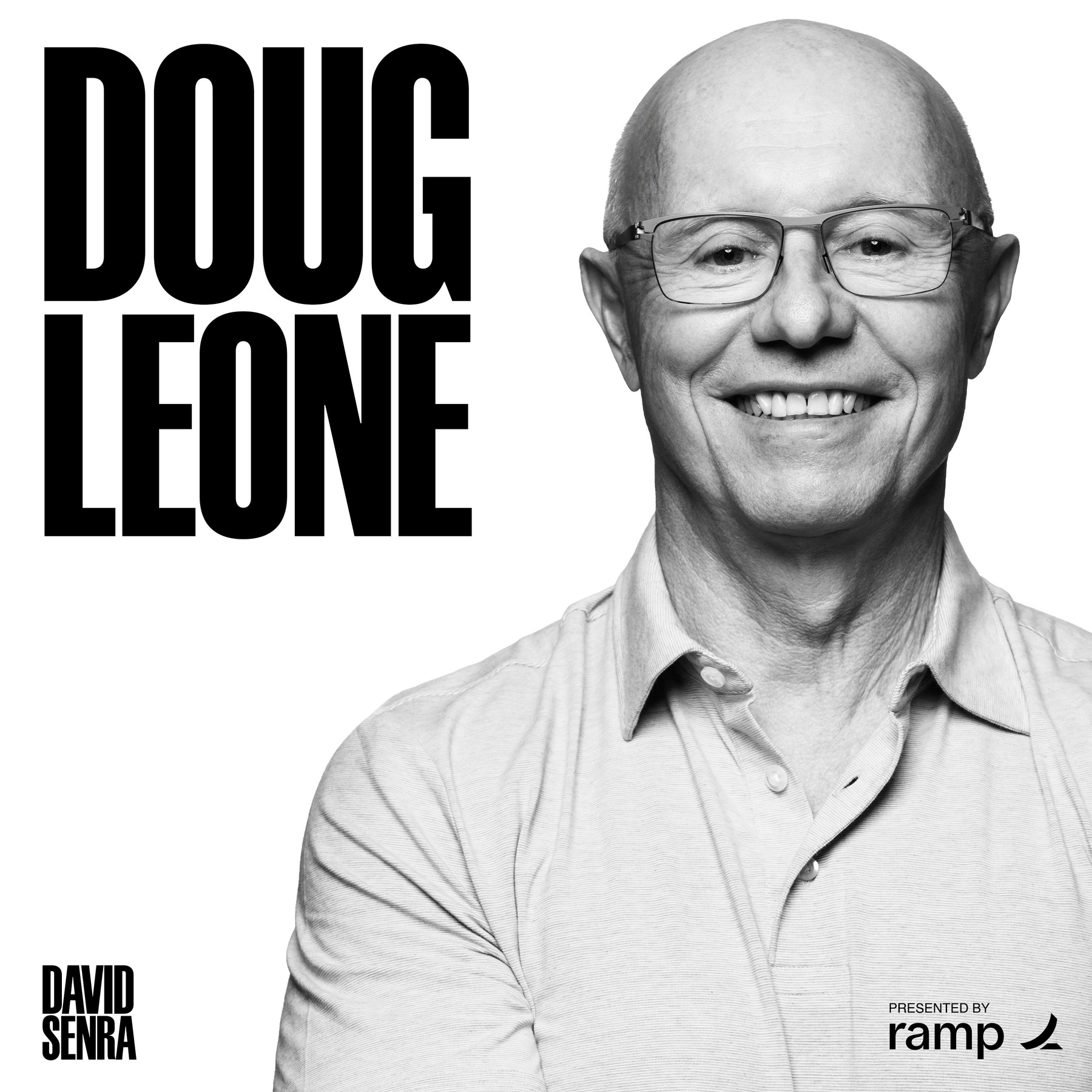
The room held Don Valentine, who founded Sequoia, two other partners, and a founder. Doug Leone had asked questions that were probably too aggressive. The note Valentine left on the table began with Leone's name and a dash, and it was the whole review.
It happened in the semiconductor days, a school of hard knocks. When everybody at Sequoia wanted Leone out because he was insufferable, Valentine told them to give the young guy a little more time.
The firm's order of priority changed over the years. Founders come first, clients second, and the partners third. That ranking rests on knowing that doing right by founders produces the returns everyone shares.
How did semiconductors shape Silicon Valley?
In 1957, eight engineers left Shockley Semiconductor to form Fairchild Semiconductor, backed by Sherman Fairchild's company. Alumni of Fairchild went on to found Intel in 1968 and AMD in 1969, and Don Valentine himself came out of that world before starting Sequoia in 1972. The industry's chips gave the region its nickname, since silicon is the material they are made from.
Why would a firm rank founders above its own clients?
Venture returns follow a power law, where a handful of companies in a portfolio account for most of a fund's gains. The founders behind those companies often have several offers, so a firm's reputation among founders decides which deals it gets to see. Founders talk to one another and routinely ask other founders about an investor before accepting money.
More from David Senra