Korva is a scroll of the internet’s best ideas.
One battery, three utility deals
Three utility models
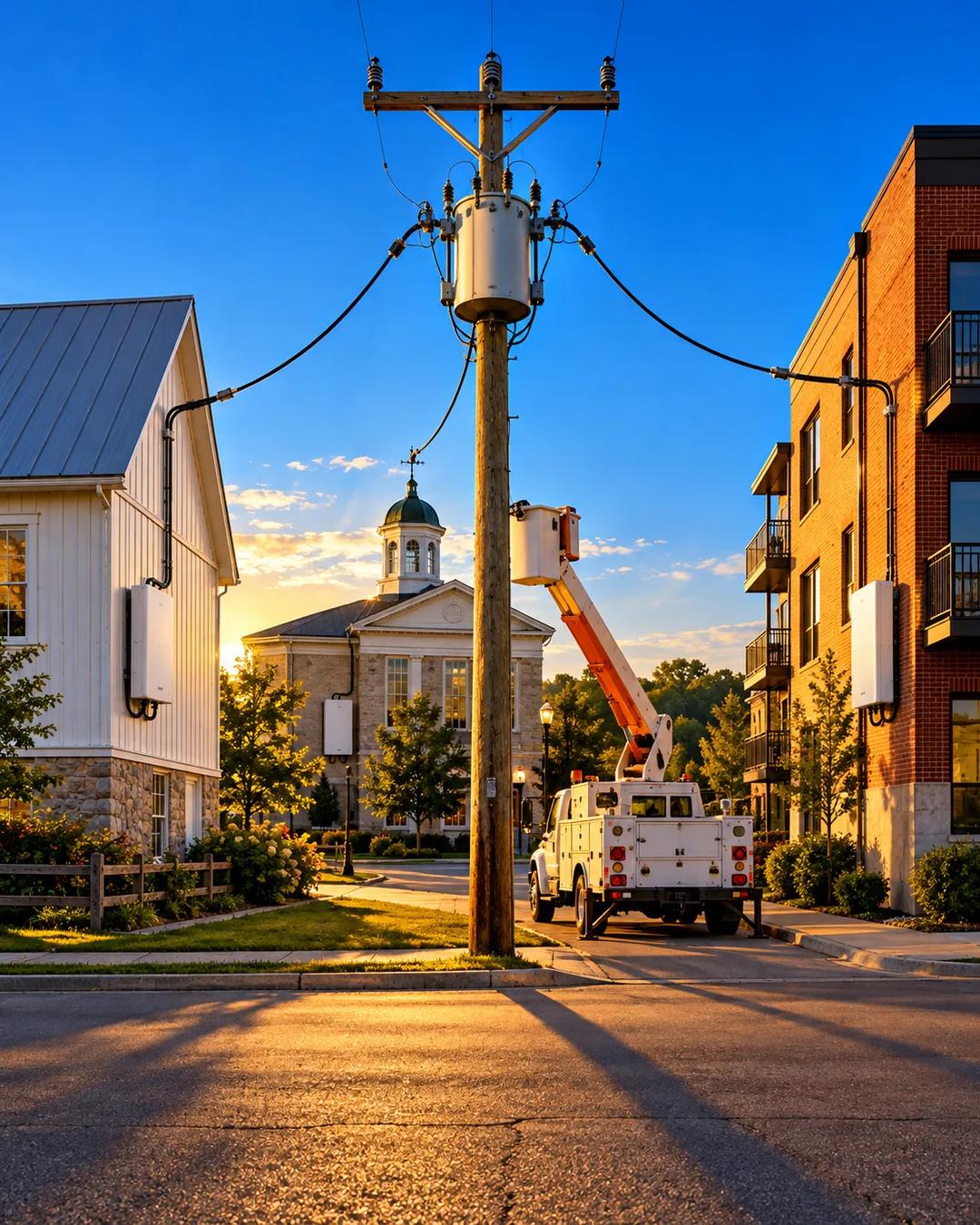
In a deregulated market like Texas, Base owns the battery, sells electricity to members as a retailer, and monetizes the fleet. With co-ops and municipal utilities, it deploys a contracted fleet that the utility can use. With investor-owned utilities, the utility might buy the assets through a build-transfer contract, because batteries can go into the rate base and earn an allowed return, and then pay Base for software and services.
Utility partnerships grow
The first utility deal was a pilot with Bandera Electric Cooperative. It has since become five larger utility partnerships totaling 220 MW. In 2025, regulated utilities were a couple of percent of the business. A full 58% of July installs landed in regulated utilities' territories.
Cheaper customer acquisition
A utility partnership also lowers the cost of finding customers: a single email from the utility signs up about 5% of the addressable market. That is only free after months or years of work to sign the partnership in the first place.
How do investor-owned utilities earn a return on assets?
State regulators set an allowed rate of return on a utility's rate base, which is the value of the equipment it has invested in. The utility earns on capital it invests, not on the electricity it sells, so buying an asset can raise its earnings. That is why a battery that enters the rate base can be attractive to an investor-owned utility. Wisconsin and New York created the first state utility commissions in 1907.
How do co-ops and municipal utilities differ?
Electric cooperatives are nonprofit, member-owned utilities, and municipal utilities are owned by cities. Neither has outside shareholders, so they focus on lowering costs and improving reliability for their customers. Most co-ops date to the Rural Electrification Act of 1936, which funded power lines to farms that private utilities had skipped. The National Rural Electric Cooperative Association counts roughly 800 distribution co-ops serving about 42 million people.
How do build-transfer contracts work?
In a build-transfer contract, a developer builds an asset and hands over ownership to the buyer when it is complete. The buyer pays an agreed price and takes the asset onto its own books. Utilities use the structure for solar and storage because the finished asset can enter the rate base. Build-transfer agreements are common in utility-scale renewable projects across the US.
More from Packy McCormick