Korva is a scroll of the internet’s best ideas.
One in 10 European cars is Chinese

Twenty years ago at the Paris Motor Show, Chinese car makers were easy to miss while the spotlight was on giants like General Motors. They remain shut out of the US, and the EU has tried to curb the influx of low-cost Chinese cars to protect its own auto industry.
To get around import restrictions, the companies are expanding their manufacturing footprint on the continent. There are factories in Spain and Austria, and plans for more in Hungary and possibly France.
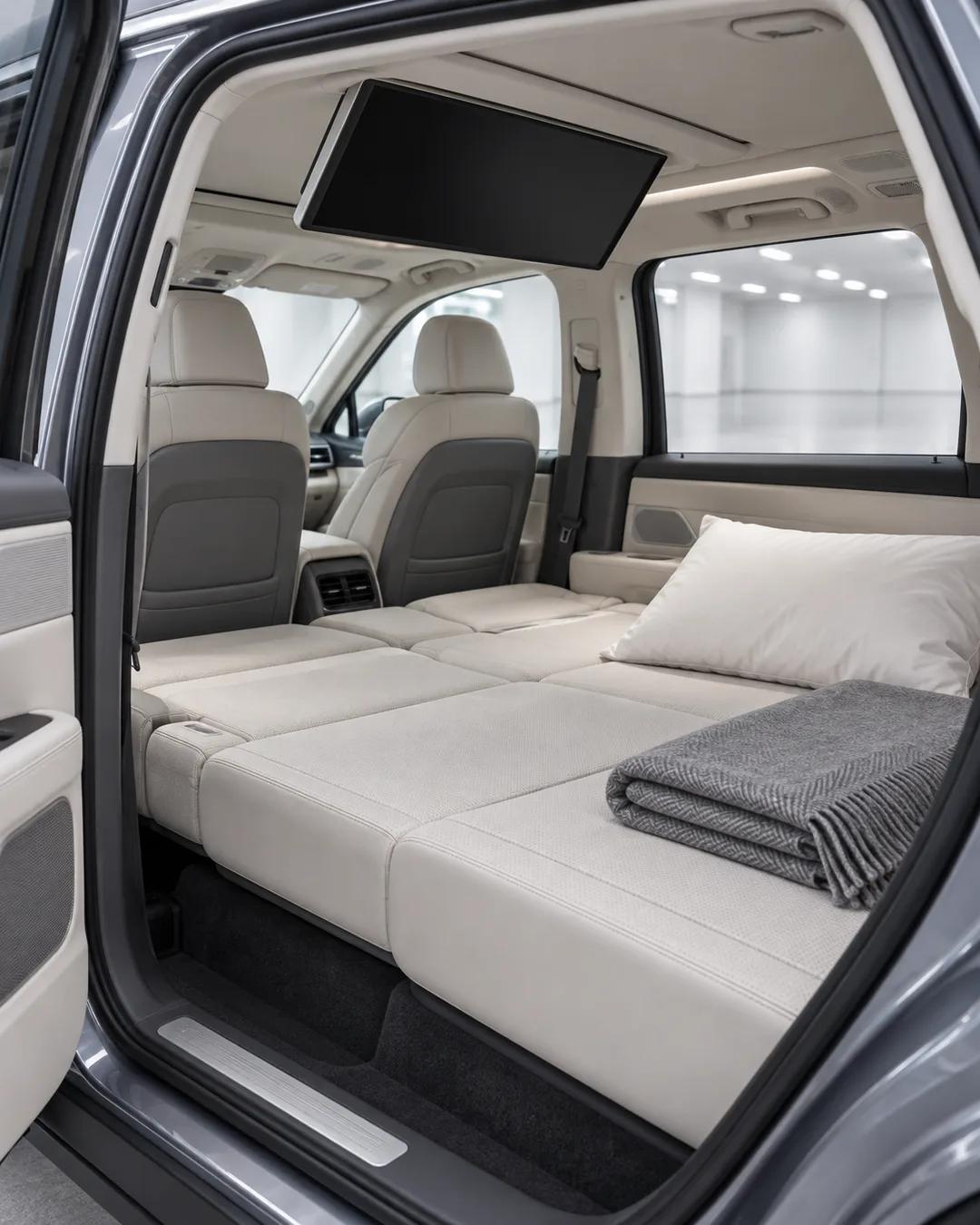
At the Paris show, the Times talked with one potential buyer who was excited by a 21-inch ceiling-mounted screen, seats with massage functions, and a refrigerator. Xpeng, one of the brands, has a mattress mode that moves the seats all the way to the front so you can lie in the back, and the car can also be remote parked and preconditioned to get the interior toasty.
BYD's sales in Europe more than doubled this year. The Jaecoo 7, which some have dubbed the Temu Range Rover, was the best-selling vehicle in Britain last month.
How do import restrictions push factories abroad?
Duties and quotas apply to cars that cross a border, so a car assembled inside the market avoids them. In 2024, the EU added extra duties on Chinese-built electric cars after an anti-subsidy investigation. A local plant also brings jobs, which can soften political resistance. Japanese car makers took the same route in the 1980s, opening plants in the US after voluntary export limits took effect in 1981.
How did Chinese car makers grow so fast?
China became the world's largest car market by sales in 2009, which gave its manufacturers a huge home base for building volume. The government supported electric vehicles with purchase incentives and a growing charging network starting in the early 2010s. Dozens of brands competed at home, and that competition pushed features up and prices down. In 2023, China's vehicle exports passed Japan's for the first time, according to figures from China's auto industry association.
How does a car park itself remotely?
Remote parking relies on cameras and ultrasonic sensors that map the space around the car. Software plans a path, and the car steers, accelerates, and brakes by itself while the driver holds a button in a phone app. The technology moves slowly and stops when a sensor detects an obstacle. Tesla introduced a version of remote summoning in 2016.
More from The Headlines