Korva is a scroll of the internet’s best ideas.
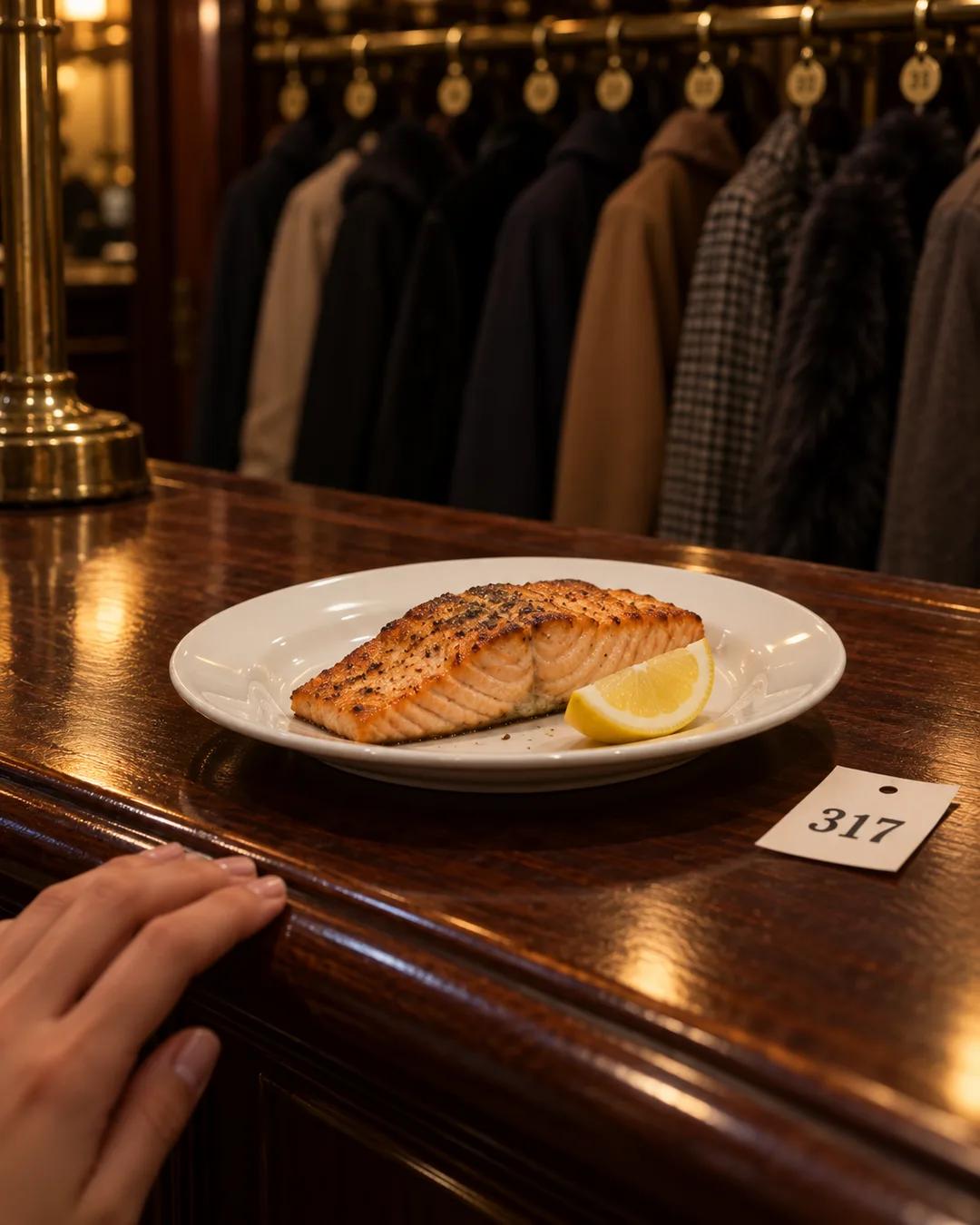

What the guest described
The restaurant was brand new, and the guest was a longtime Union Square Cafe regular who pulled Danny Meyer aside after her meal. The cook's mistake was an honest one, she told him, and it was not what bothered her. At Union Square Cafe, the server who took her rare order would have noticed, quietly taken the plate away, brought a cup of soup so she had something to eat while her guests kept eating, and had the salmon recooked, probably taking it off the bill.
At Gramercy Tavern, nobody came over while she picked at the fish. Eventually a manager took it away, handed her a coat check, told her the rest of her salmon would be waiting at the door, and left it on the check.
The all-staff meeting
The owner had spent ten years running one restaurant, leading by example: staff watched what he did and copied it. With a second restaurant he could not be in both places, and he had never put his expectations into words. The next day, a Saturday before lunch service, he called an all-staff meeting and named enlightened hospitality for the first time. The first customer is each other, he told them, followed by guests, then the community and suppliers, then investors, and the raises and promotions come out of all of that. Charging that woman for salmon she clearly did not like, out of fear she was trying to rip the place off, left no room for a charitable assumption that the kitchen had simply overcooked it.
Why does fish go from perfect to dry?
Fish muscle has short fibers and very little connective tissue, so it has little holding it together once it overcooks. Salmon's proteins tighten as they heat, and at around 140 degrees Fahrenheit they squeeze out a white protein called albumin. A few degrees separate tender from dry.
Why does fixing a mistake please guests?
Marketing researchers call this the service recovery paradox: customers whose problem is fixed well can end up more satisfied than customers who never had a problem. The term goes back to a 1992 study by Michael McCollough and Sundar Bharadwaj. Later research found the effect is inconsistent and tends to disappear when the failure is severe or repeated.
Why is a second restaurant so hard for founders?
In a single restaurant, a founder's habits are visible to everyone and get copied without a word. The philosopher Michael Polanyi described this kind of knowledge in his 1966 book The Tacit Dimension, arguing that people know more than they can tell. It passes through watching and imitation, which stops working once the founder is standing in a different building. Management scholars distinguish it from explicit knowledge, which can be written down and taught.
More from The Learning Leader Show With Ryan Hawk