Korva is a scroll of the internet’s best ideas.
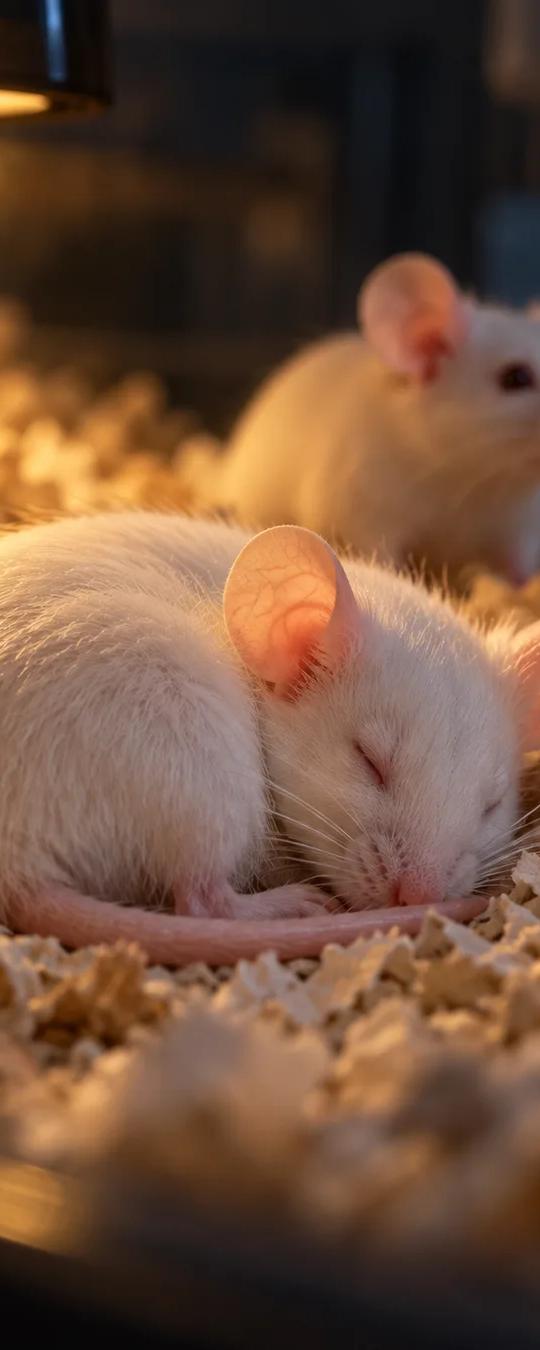
One short night cuts killer cells 70%
What killer cells do
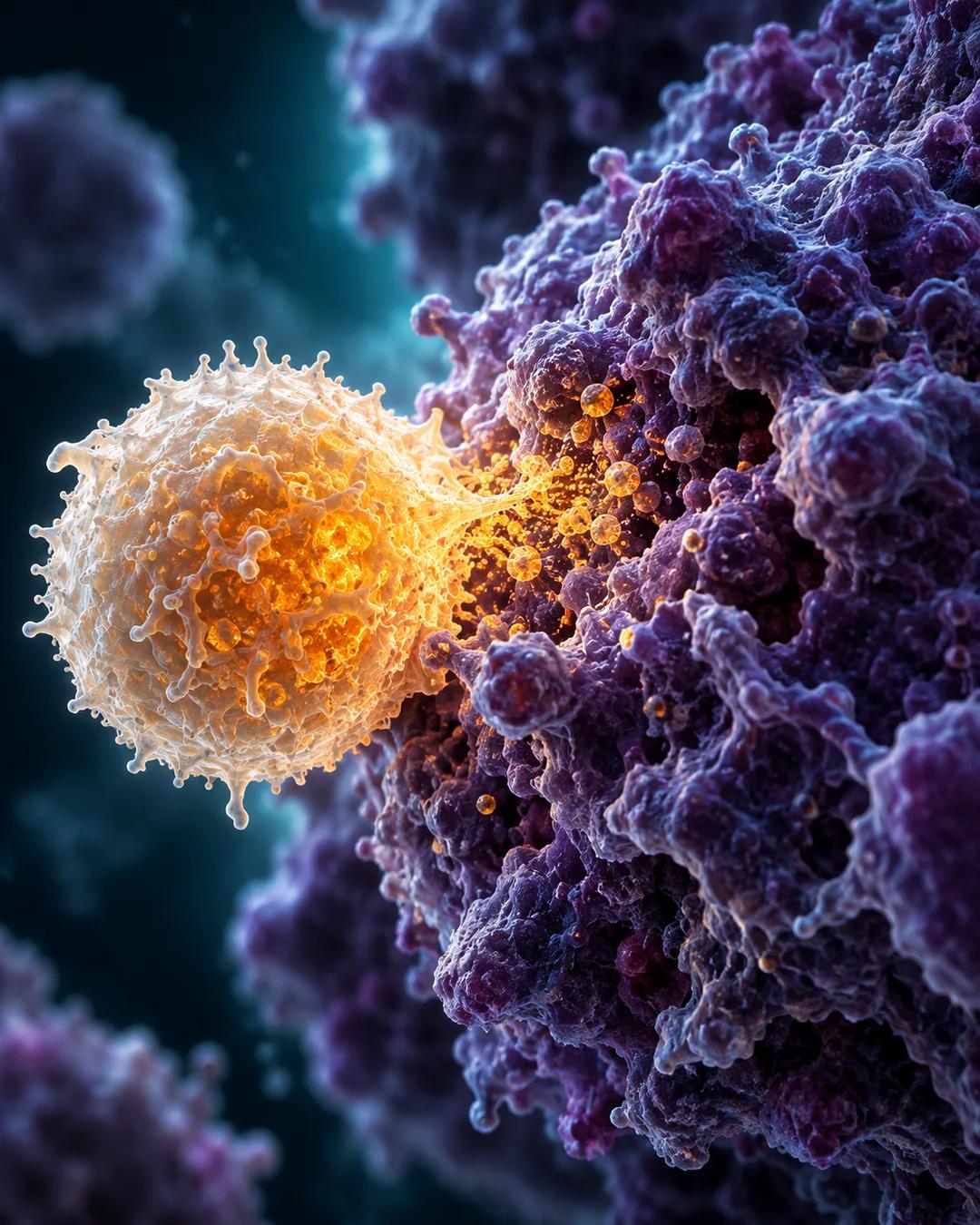
Natural killer cells identify dangerous foreign elements in the body and eliminate them. In images, they embed themselves in a cancerous tumor mass and destroy it. They work like the Secret Service agents of the immune system.
The body produces cancer cells every day, and natural killer cells are part of what stops those cells from becoming the disease called cancer. A well-armed set of them is needed at all times.
One night of short sleep
In the study, healthy sleepers had their sleep restricted to four hours for one single night, and then immune cell activity was measured. The drop was 70 percent, far more than 10 or 30 percent, and it appeared after just one bad night.
Short sleep is now linked to cancers of the bowel, the prostate, and the breast. The link is strong enough that the World Health Organization classified any form of nighttime shift work as a probable carcinogen, a job that may induce cancer through disruption of sleep-wake rhythms.
How do natural killer cells destroy tumors?
A natural killer cell latches onto a target cell and releases proteins called perforin and granzymes. Perforin punches pores in the target's membrane, and granzymes enter through them and trigger the cell's built-in self-destruct program. The process takes minutes. These cells were named for needing no prior exposure to a threat before acting.
Why is night shift work called a probable carcinogen?
The International Agency for Research on Cancer, the World Health Organization's cancer research arm, placed night shift work in its Group 2A category in 2007. Group 2A means probably carcinogenic to humans, based on limited evidence in people and stronger evidence in animal experiments. Night work disrupts the sleep-wake cycle and exposes people to light when the body expects darkness. Studies of nurses and other shift workers fed into the classification.
Why does the body make cancer cells daily?
The body replaces billions of cells every day, and each division is a chance for a copying error in the DNA. Most damaged cells repair themselves or self-destruct. The idea that the immune system patrols for abnormal cells and removes them is called immune surveillance. It was developed by Frank Macfarlane Burnet and Lewis Thomas in the mid-twentieth century.
More from Talks at Google