Korva is a scroll of the internet’s best ideas.
Pay later for groceries and rent
How it took off
The loans began about 15 years ago in Europe and Australia and reached the United States roughly a decade ago. The pandemic made them explode. People were home shopping online, merchants put the loans at their digital checkout counters, and early on the merchants paid the cost, so shoppers often owed no fee. A couch or an outfit could be stretched over a few weeks or months, and for merchants it meant sales they might not otherwise have made.
Influencer culture took off at the same time. Shoppers on Instagram and TikTok bragged about a Shein spree or a Sephora order put on Klarna, and paying with a loan became an ordinary way to shop.
Where it spreads now
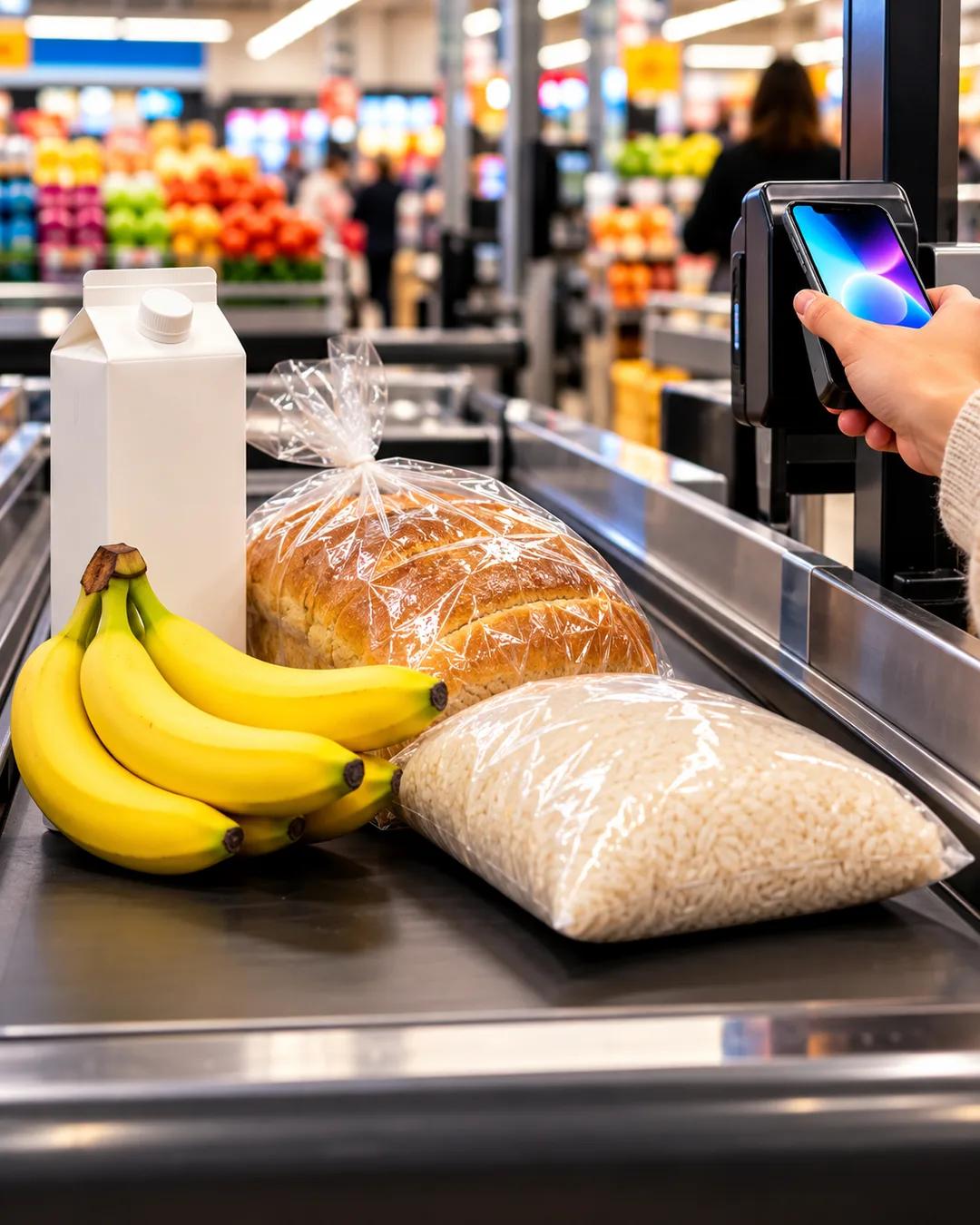
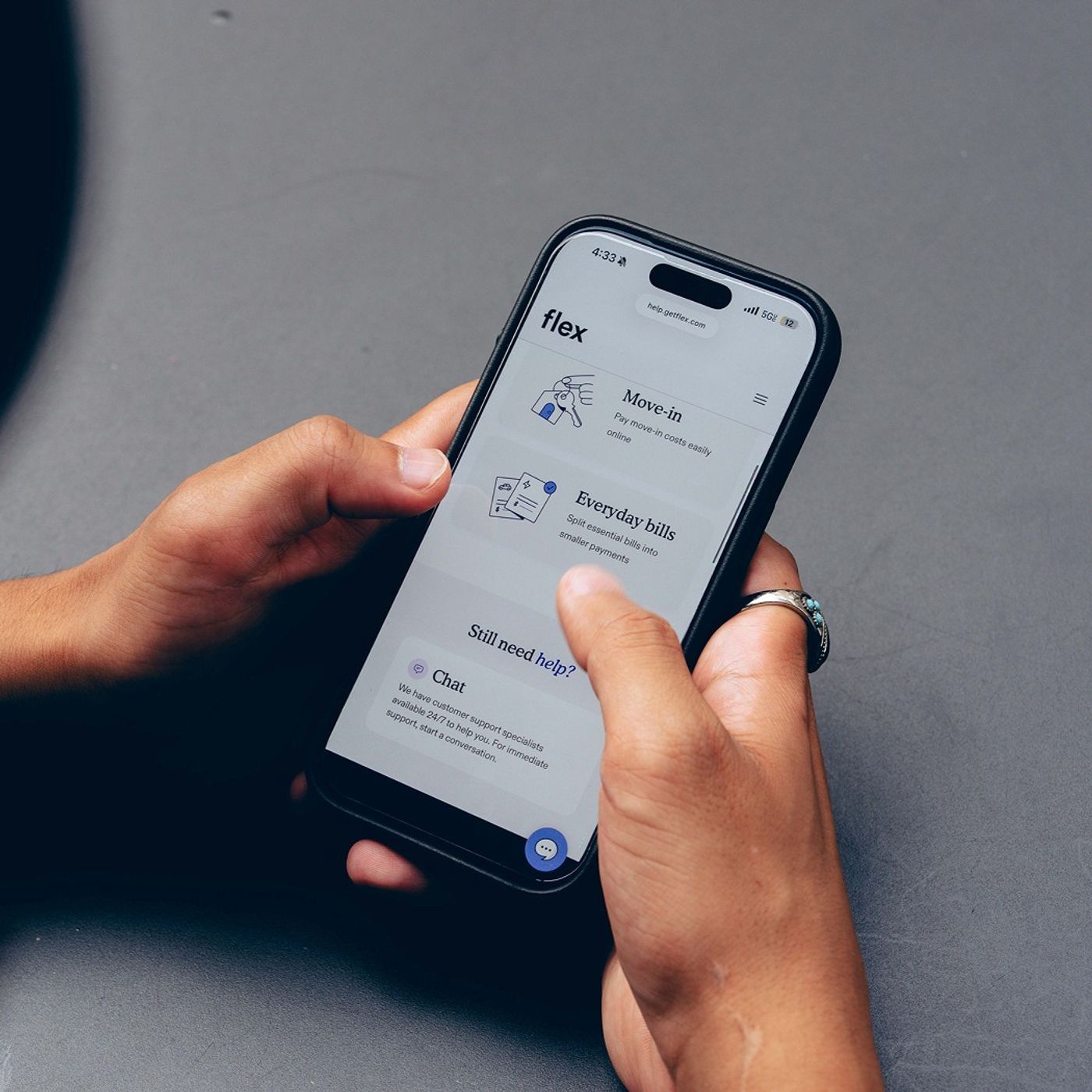
From there the loans moved to grocery checkouts and monthly bills. People now post about buying Aldi groceries on Klarna and getting a car fixed with Affirm and Klarna. Flex, an app people have used for years to pay rent, handles about $2 billion a month in rent loans, and this year it expanded into utilities and auto loans. Affirm, popular at online checkouts, began offering rent loans this year too.
Roughly half of Americans have used a loan like this in the last few years, and 15 to 25 percent use them regularly. Americans spent about $160 billion through them last year, about twice what they spent two years earlier.
Why did merchants pay for shoppers' loans?
Card payments typically cost merchants roughly two to three percent of each sale in processing fees. Installment providers have generally charged merchants more per sale than cards do, because they also take on the risk of nonpayment. Merchants accept the higher fee because offering financing at checkout tends to lead to more completed sales and larger orders. That fee structure is why the loan can look free to the shopper.
How did pay later spread from Sweden and Australia?
Klarna was founded in Stockholm in 2005 as a way for online shoppers to pay after their order arrived. Afterpay launched in Australia in 2014 and later expanded into the United States. Affirm, founded in San Francisco in 2012 by Max Levchin, went public in 2021. Block, the parent company of Square, completed its purchase of Afterpay in early 2022.
Why did the pandemic fuel pay later growth?
The Census Bureau reported that online shopping reached a record share of US retail sales in the spring of 2020. Stores that had never sold much online suddenly needed checkout tools that worked on a website. Shopify, for example, built Affirm financing into its checkout for merchants in 2020. The partnership put pay later buttons in front of shoppers at thousands of small online stores.
More from The Daily