Korva is a scroll of the internet’s best ideas.
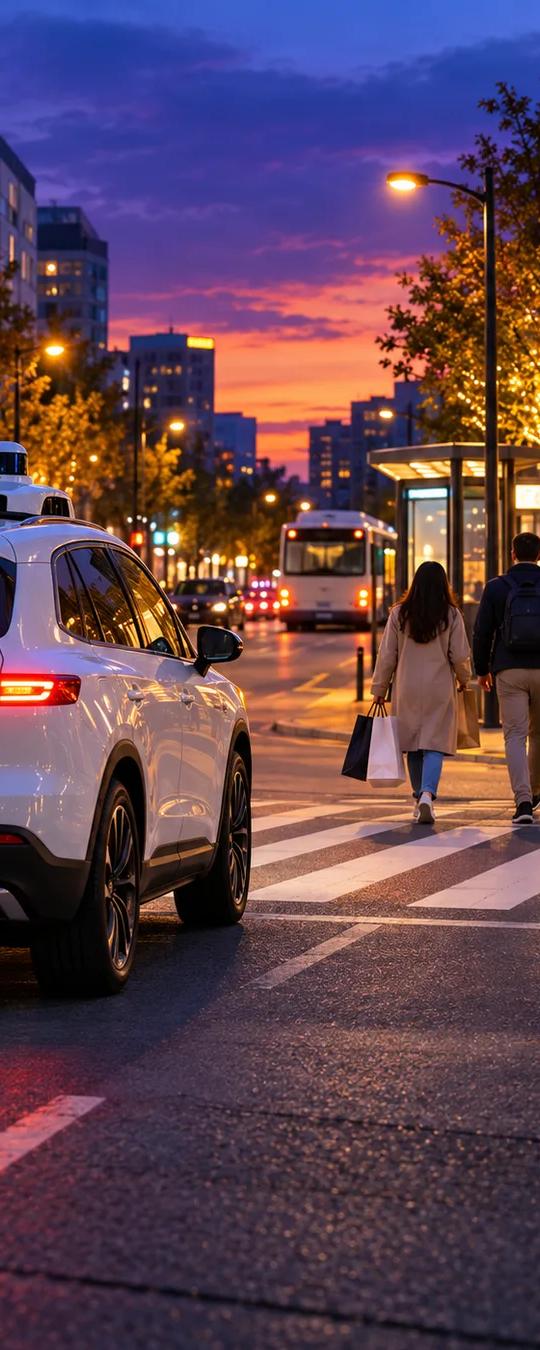
Pay more for a guaranteed ride

Rebuilding Reserve
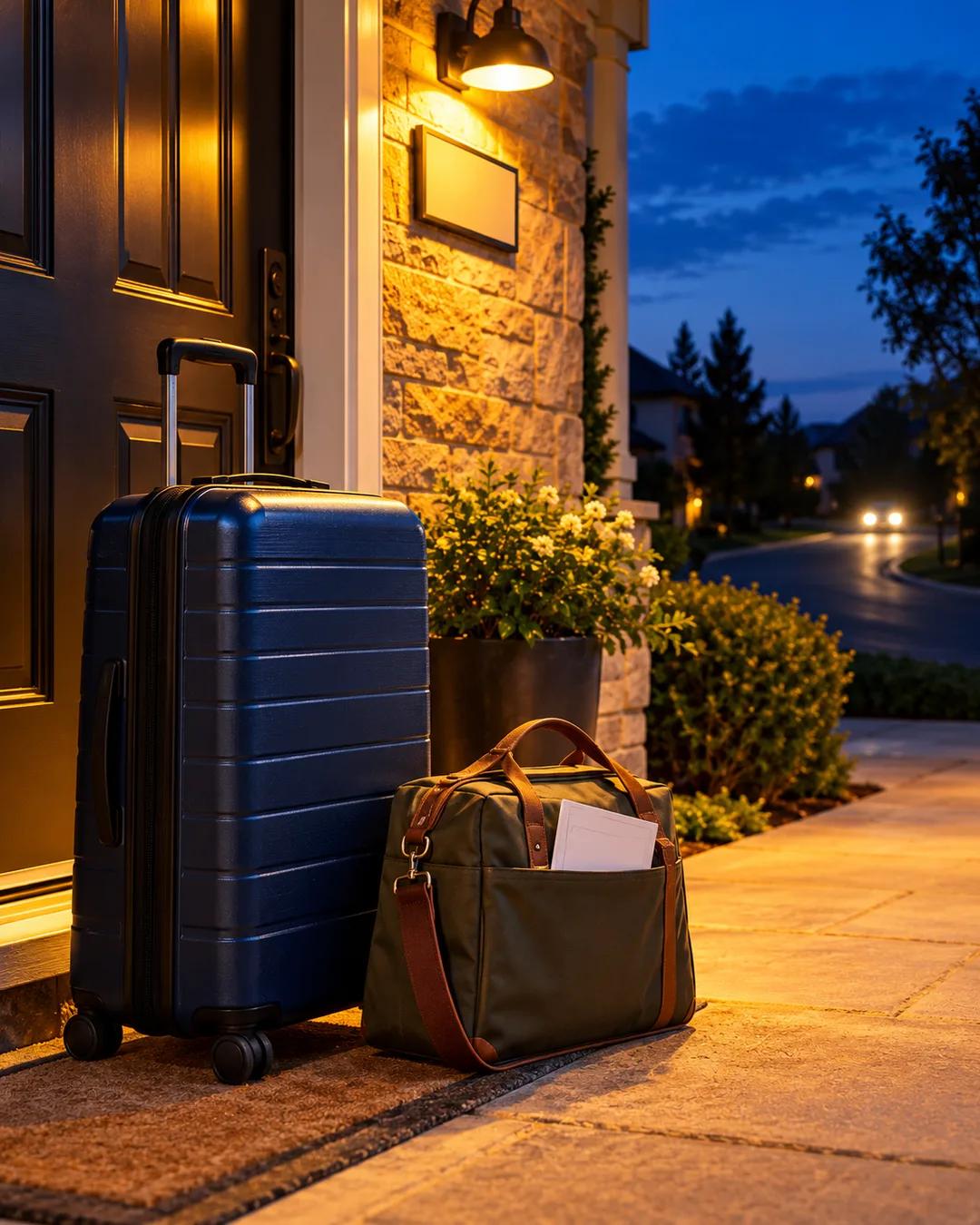
In the early version, a rider reserved a car, but the system simply tried to dispatch one on demand when the time came. The back end was changed to drive reliability to 99 percent plus: the driver is pre-booked, accepts the trip, and is confirmed to be there before the reservation.
Higher price, higher reliability
That gave riders higher reliability for a higher price. Both sides moved, because demand and drivers will pre-commit to a trip. Reserve did not exist five or six years ago and is now over a $5 billion run rate.
Trains and hotels
The pre-commit opened a door to travel. Trains came first, launched in the UK and Spain, and hotels followed, in a deal with Expedia that passes most of the economics to Uber One members.
Why do people pay extra for certainty?
Economist Maurice Allais showed in 1953 that people give outcomes extra weight when they are certain rather than merely likely. Daniel Kahneman and Amos Tversky later named this the certainty effect in their 1979 paper on prospect theory. Kahneman received the 2002 Nobel Prize in Economics for that line of work, and Allais received the 1988 prize.
Why do trains and hotels suit pre-booking?
Both sell scheduled capacity with known dates, so a reservation maps cleanly onto a specific seat or room. The airline industry built computerized reservation systems first, and the SABRE system from American Airlines and IBM began operating in the early 1960s. Rail and hotel booking systems later followed the same design.
More from Invest Like the Best with Patrick O'Shaughnessy