Korva is a scroll of the internet’s best ideas.
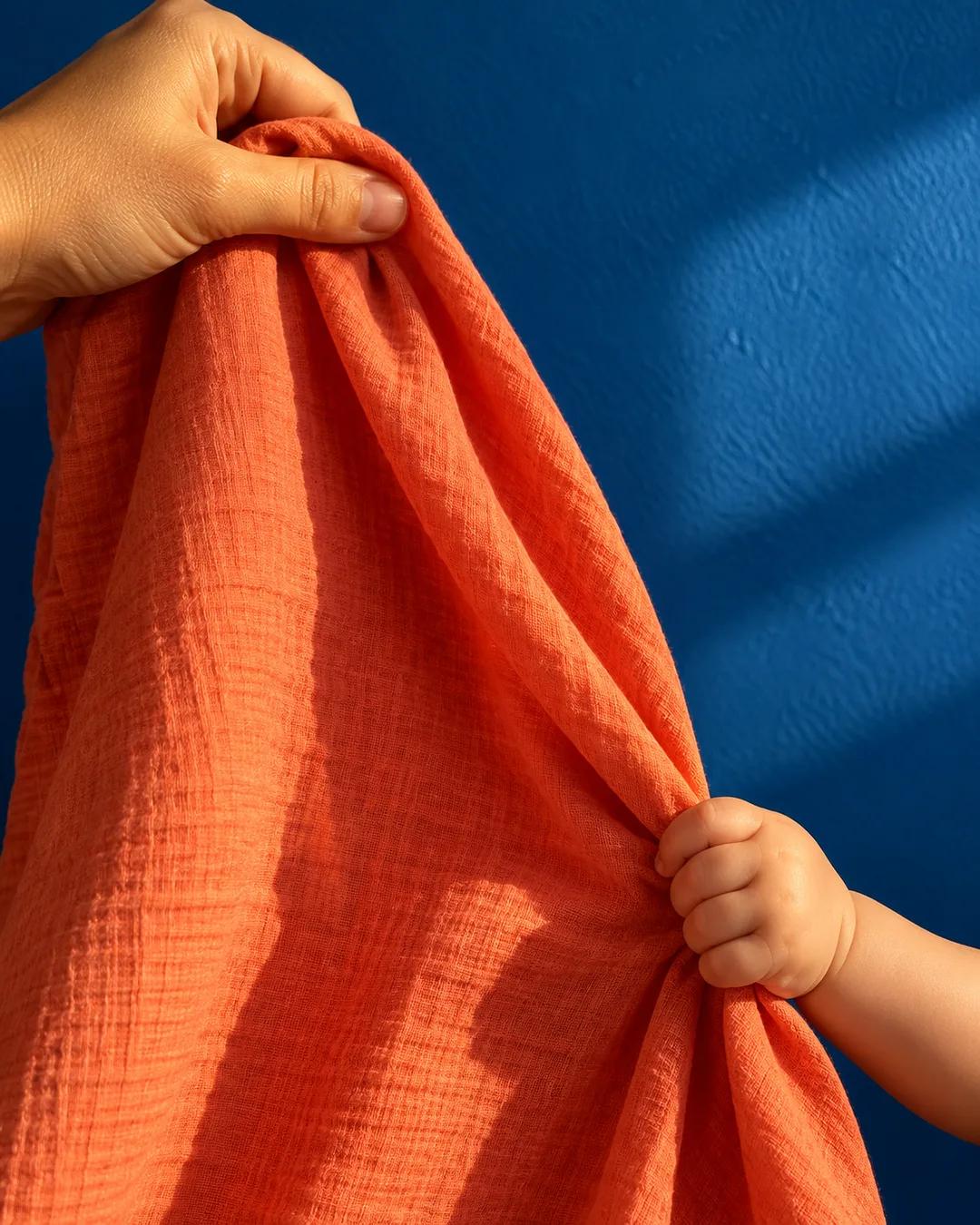
Peekaboo builds memory and trust

Three games, three skills
Three ordinary games each build something different. Copycat games build imagination and empathy. Naming games build vocabulary and attention. Peekaboo builds memory and trust.
Why it lasts a lifetime
Every time a grown-up talks to a child, plays with them, or makes them laugh, it builds and strengthens their relationships and mental health. It also teaches some of the most important life skills, from making friends to taking a test, getting a job, and one day maybe starting a family of their own.
The first five years, starting in the womb, are the most special period for a child's development, and interactions early and often matter. Every moment together is a chance to connect, talk, and play.
Why is it called serve and return?
The phrase comes from tennis and was popularized by Harvard's Center on the Developing Child. A baby serves by babbling, pointing, making eye contact, or crying. The adult returns the serve with a look, a word, or a smile, and the baby serves again. Researchers at the center describe this back-and-forth as the way early brain circuits for communication and social skills get built.
How does peekaboo train a baby's memory?
For the game to work, a baby has to hold an image of the hidden face in mind while it is out of sight. Developmental psychologist Jerome Bruner studied peekaboo and described it as a game with clear roles and turn-taking that infants pick up early. Jean Piaget proposed that babies grasp that hidden things still exist at around eight months. Later experiments by Renée Baillargeon found that infants show signs of expecting hidden objects to remain, months earlier than Piaget thought.
Why do naming games help with attention?
When an adult looks at an object and names it, the baby follows the gaze and ties the word to the thing. Psychologists call this joint attention. Michael Tomasello and Michael Farrar reported in 1986 that toddlers had larger vocabularies when their mothers talked about what the child was already looking at. Following another person's gaze also becomes a building block for later social learning.
More from TED