Korva is a scroll of the internet’s best ideas.

People adapt to almost anything
Adapting to anything
The same happens in personal life. Something incredible happens, like having a kid, or something terrible, like losing a parent or a breakup, and it seems impossible to ever adapt. People adapt to great things and keep doing great, and they adapt to bad things and figure out how to go on with their lives.
Adapting to AI
Now there is either AGI or something close to it, and people have accepted it just as quickly.
Still exciting
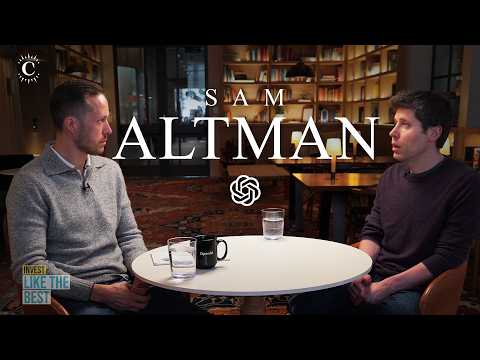
Living through the singularity turns out to be less weird than expected, and watching the models keep getting better is no less exciting. Progress happens faster and expectations are higher, and it still feels really cool. The first thing OpenAI's chief executive does every morning is look at the model training progress.
Why do people adapt to good and bad events?
Psychologists call this hedonic adaptation. A 1978 study by Philip Brickman and colleagues compared lottery winners, people paralyzed in accidents, and a control group. The winners were not significantly happier in everyday life than the controls, and the accident victims were somewhat less happy, but by less than many would predict. Later research has found adaptation to be partial rather than complete, and it varies by event.
How do shifting baselines hide big changes?
Fisheries scientist Daniel Pauly named shifting baseline syndrome in 1995. He argued that each generation of researchers treats the fish stocks it first encountered as normal, even when earlier generations saw far greater abundance. Because each baseline is slightly lower than the last, the total decline goes unnoticed. The idea has since been applied to forests, climate, and urban air quality.
Why do people dismiss early warning signs?
Disaster researchers describe normalcy bias, a tendency to assume that things will keep working as they usually do. Studies of emergencies such as fires and floods have found that many people delay while they look for confirmation that the threat is real. Psychologists Bibb Latané and John Darley demonstrated a version of this in 1968, when participants who sat with two passive strangers in a room filling with smoke reported it far less often than people sitting alone.
More from Invest Like the Best with Patrick O'Shaughnessy