Korva is a scroll of the internet’s best ideas.

People will still want people
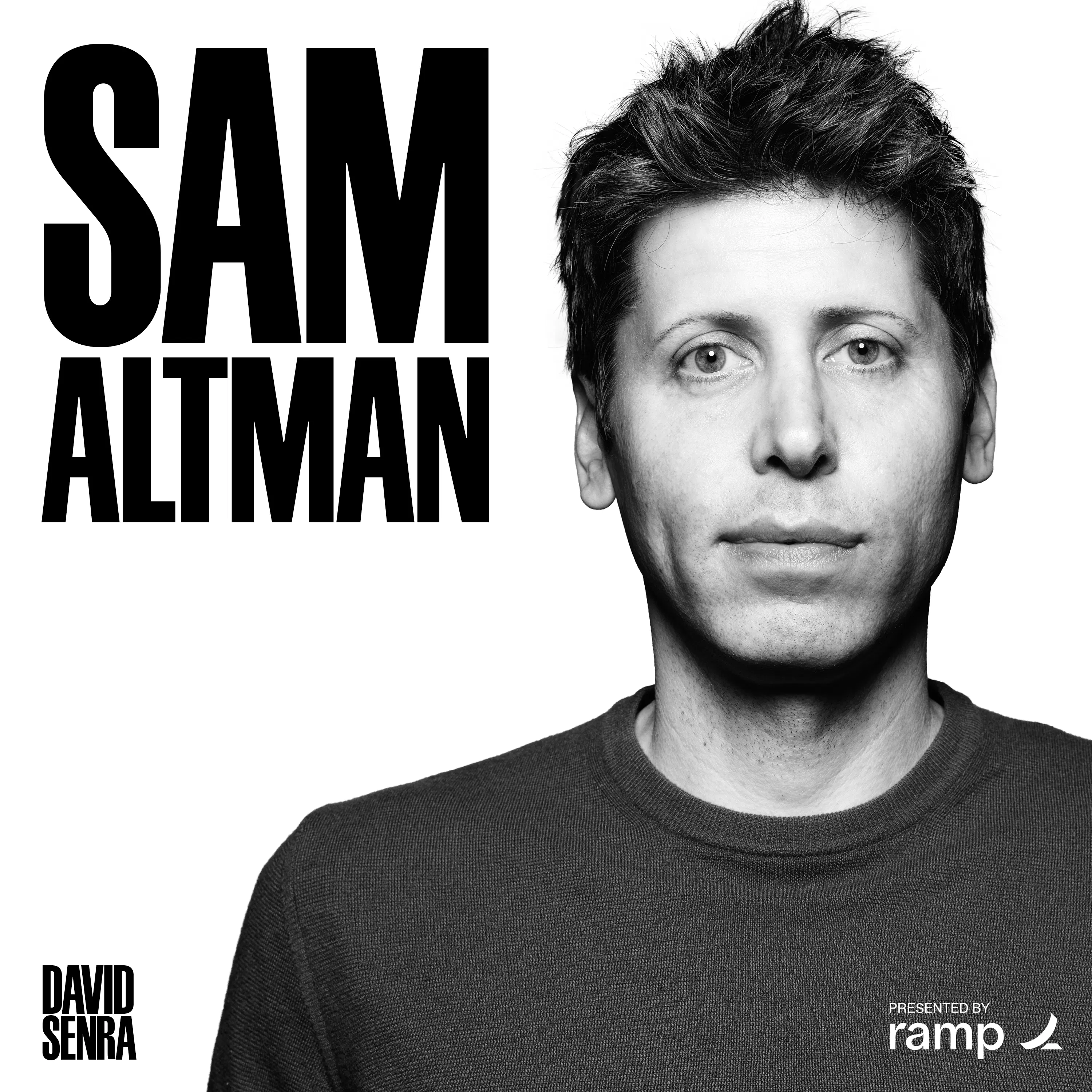
Real voices
Even if two AIs hold a more interesting podcast conversation than two real people, listeners still want the real ones. A podcast that simply passes along ideas from a book could be disrupted, but the pull toward other humans is deep. Many jobs could face significant transition, and the work that is about people feels like it gets more valuable.
Wired for people
Only a tiny percentage of people prefer communicating with computers over being around people. Most people are fundamentally wired to care about other people, to want to be around them, and to interact with them, which is why the world on the whole will not be that different even with superintelligence.
The few exceptions
A few people will get obsessed with the models and decide humans are in the way. For most people, other people will be the whole point.
Why do audiences still want human performers?
Deep Blue defeated the world chess champion Garry Kasparov in 1997, and engines have been far stronger than any human for years. Even so, people still gather to watch human players compete in world championships. Spectators care about the person making the choices, the nerves, and the rivalry. Strong chess engines are free to download, yet human tournaments continue to draw crowds and prize money.
Why are humans wired to care about people?
The anthropologist Robin Dunbar proposed the social brain hypothesis in the 1990s. He found that across primate species, brain size correlates with the size of the social group. Living in large groups demands tracking relationships, which requires heavy mental processing. Dunbar's work also gave rise to Dunbar's number, an estimate of about 150 stable relationships that a person can maintain.
How early do babies prefer faces?
Newborns turn toward face-like patterns within their first days of life. In 1991, Mark Johnson and John Morton found that newborns followed a face-like pattern further with their eyes than scrambled arrangements of the same features. This preference appears before the infants have had any chance to learn what faces look like. It directs a baby's attention to the people who will care for it.