Korva is a scroll of the internet’s best ideas.
Pilot wakes up over Acapulco

The test flight
Rafael Pacheco, a civilian pilot flying in the 1950s or 60s, was on his final test run when his instruments stopped responding. The mist thickened, and he radioed that he could not get his plane to move. Then he passed out as the plane climbed into the sky.
Landing in Acapulco
He came to hours later off the coast of Acapulco, with too much fuel left for the distance he should have covered, more than a three-hour drive from where he took off. An air traffic controller named Carlos was talking to him as if they had been chatting for a while. Pacheco landed, was met by men in suits, and was taken to a hospital for drug tests and a psychologist, with no explanation.
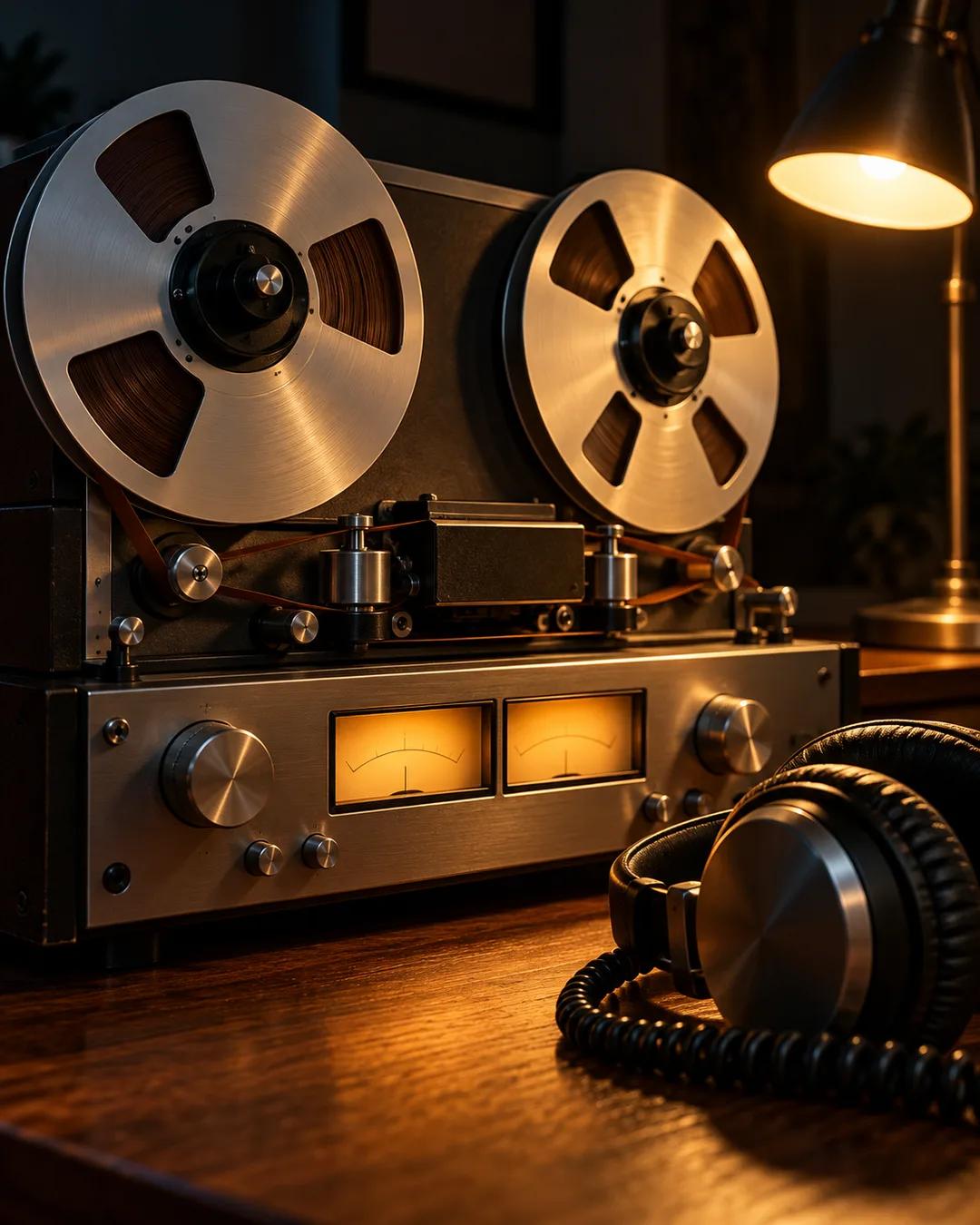
The recording
Only after he was cleared did they tell him he had circled over Acapulco for more than an hour, talking with Carlos the whole time, and that the conversation was recorded. In the recording a deep, robotic voice that does not sound like Pacheco's describes its speakers as inhabitants of this universe, calls human technology too primitive for any other contact, and warns that humans are the only intelligent species that uses warfare and stand on the brink of extermination.
Why do pilots lose orientation in thick mist?
The inner ear senses acceleration and tilt, but once visual cues disappear it cannot tell a gentle banking turn from level flight. Pilots who fly into cloud or fog without relying on instruments can feel climbs and turns that are not happening. This is called spatial disorientation, and it has contributed to many fatal crashes. Pilots earn an instrument rating specifically to fly in cloud.
Why are air traffic radio calls recorded?
Controllers' radio communications are recorded so investigators can reconstruct events after an incident. International standards under the International Civil Aviation Organization call for such recordings to be kept for at least 30 days, and longer when an investigation is under way. Cockpit voice recorders capture the other end of the exchange inside the plane. Recordings in the 1950s and 1960s were made on reel-to-reel magnetic tape.
More from The Joe Rogan Experience