Korva is a scroll of the internet’s best ideas.
Plant milks emit far less
Methane, water, and land
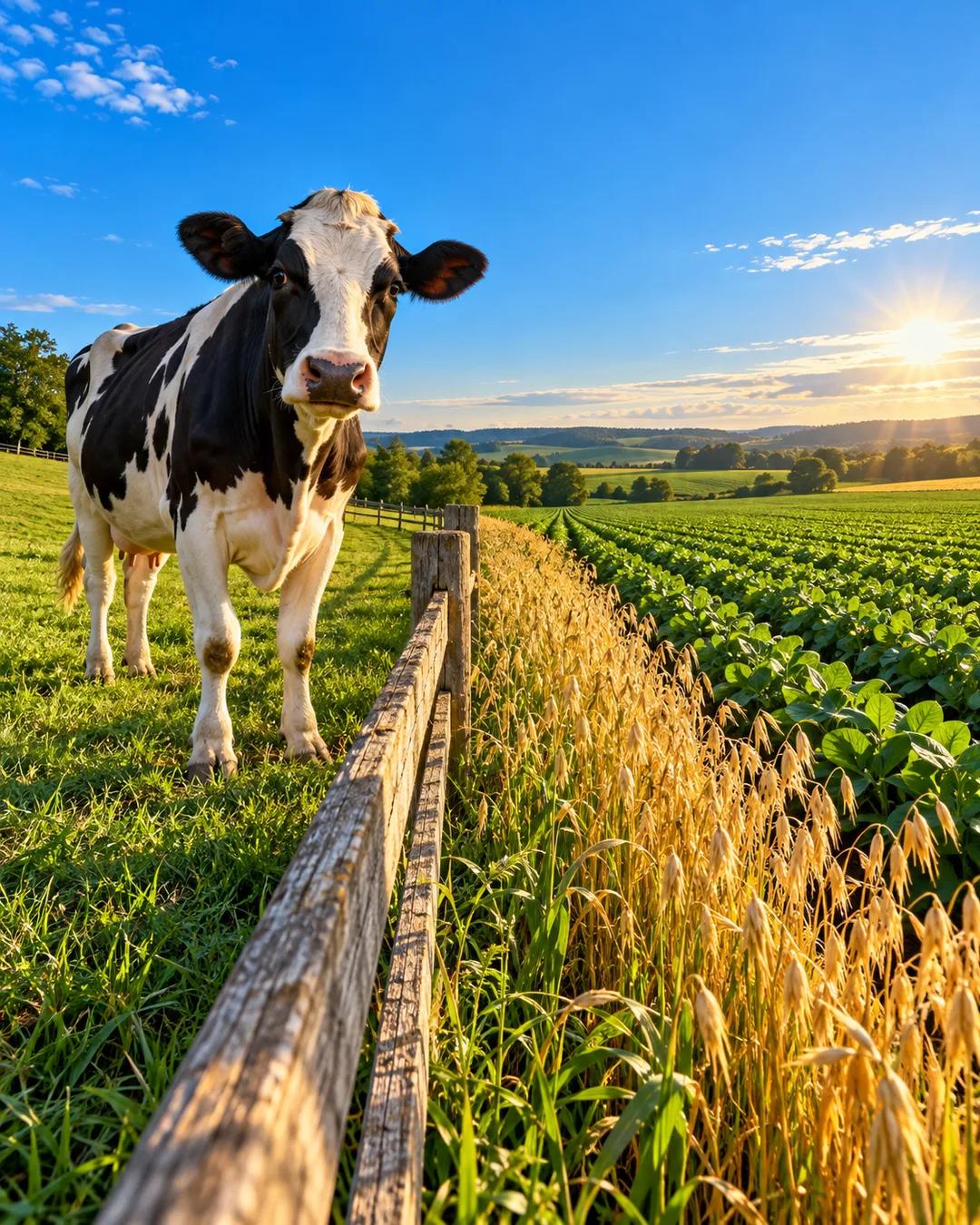
Cows burp methane, which warms the planet 30 times more than carbon dioxide ton for ton, and those burps are a big part of agriculture's greenhouse gas emissions. Cattle also use outsized amounts of fresh water, largely for thirsty feed crops like alfalfa, and they need a lot of land, which drives deforestation.
Almond water use
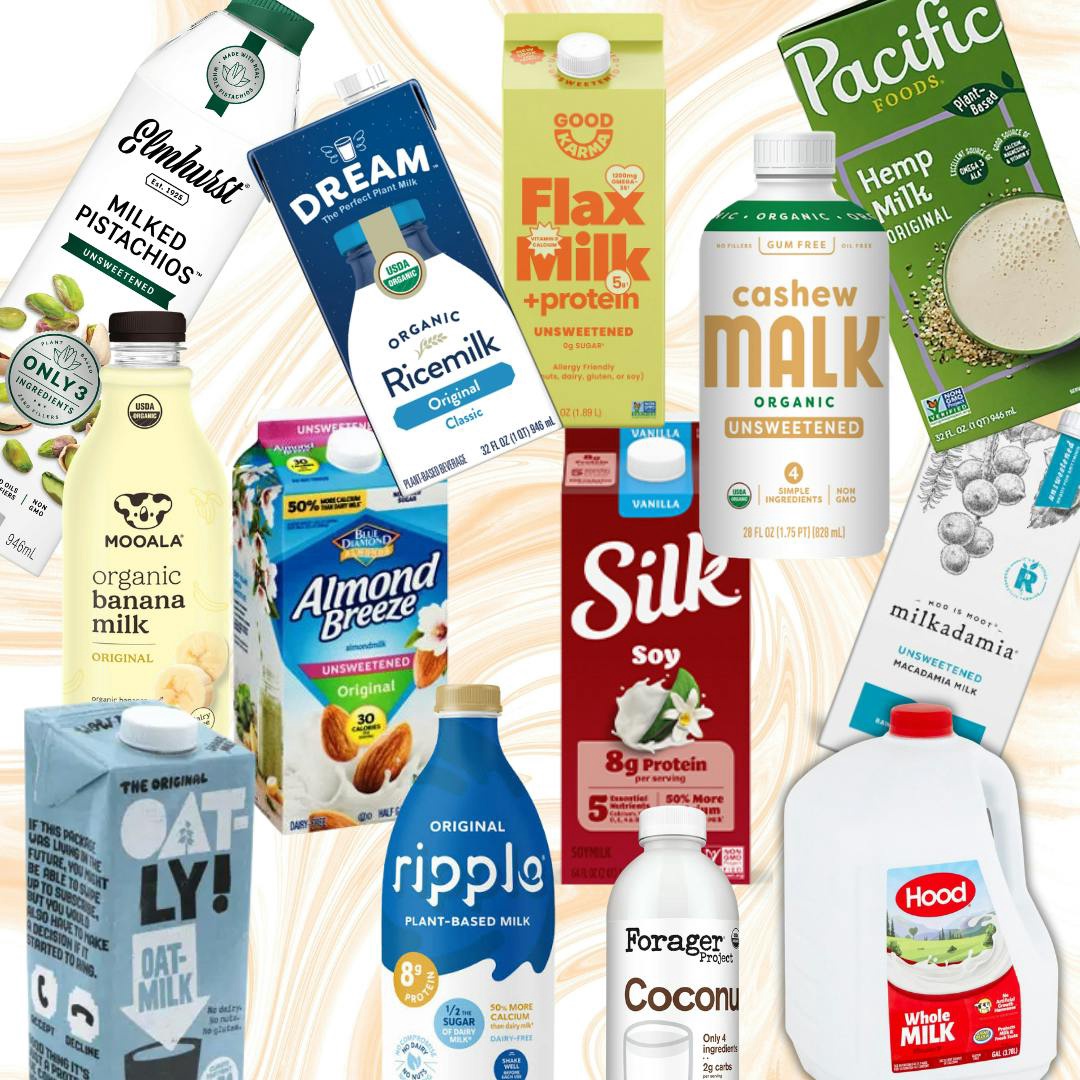
Almond milk stands apart on water. Depending on how freshwater use is measured, it can come out higher than, lower than, or similar to milk from cows, and all of America's commercially grown almonds are raised in California. Every other plant milk in the review had a lower freshwater footprint than milk from cows.
Legumes and oats
Soy and peas are legumes that pull nitrogen from the atmosphere into the soil, so growing them needs less synthetic nitrogen fertilizer, which accounts for a decent chunk of crop emissions. Soy and pea milks generally have a lower greenhouse gas profile for that reason. Oats are a cover crop that farmers can rotate in to keep their soils healthier.
Why do cows produce so much methane?
Cows digest tough plant fiber in the rumen, the first of their four stomach chambers, where microbes ferment it. A group of microbes called methanogens turn some of the hydrogen from that fermentation into methane, and the cow burps it out. Methane lasts only about a dozen years in the atmosphere but traps far more heat than carbon dioxide while it is there. The UN Food and Agriculture Organization estimated in 2013 that livestock account for about 14.5 percent of human-caused greenhouse gas emissions.
How do legumes make their own fertilizer?
Soy and pea roots host bacteria called rhizobia in small nodules. The bacteria convert nitrogen gas from the air into ammonia that the plant can use, and the plant feeds them sugars in return. This makes the crops less dependent on added nitrogen fertilizer. Industrial nitrogen fertilizer made through the Haber-Bosch process uses roughly one to two percent of the world's energy.
Why is almond water use such a debate?
Almond trees are orchards that take years to bear, so growers cannot leave land fallow in a dry year the way they can with annual crops. California's Central Valley has a Mediterranean climate with dry summers, so the trees depend on irrigation. Trees begin a commercial crop around their third or fourth year. The Almond Board of California says the state grows roughly 80 percent of the world's almonds.
More from Gastropod