Korva is a scroll of the internet’s best ideas.
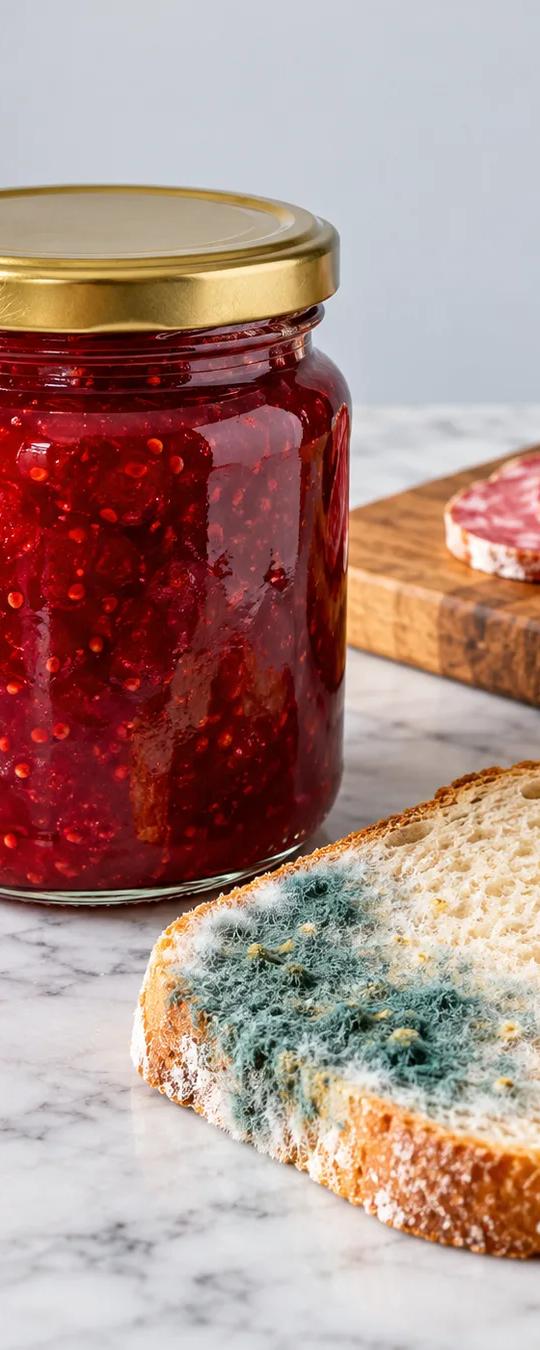
Processed just means changed

What counts as processed
Ultra-processed food is the next step up. It has something added that you would not find in a home kitchen, such as synthetic colors or flavorings.
Even then, getting 90% of your calories from this kind of food can still meet healthy eating guidelines. The label on its own does not decide whether a diet is healthy.
Where the risk lies
Ultra-processed food does carry risks. Even if no single chemical or process in it is harmful on its own, they can still add up to food that is too easy to eat and too hard to put down.
Where did the term ultra-processed come from?
The term comes from the NOVA food classification, developed by researchers at the University of São Paulo in Brazil led by Carlos Monteiro. It was published around 2009 and sorts foods into four groups by how much industrial processing they go through. The fourth group, ultra-processed foods, is defined by ingredients rarely found in home kitchens, such as flavor enhancers and emulsifiers. Many national dietary guidelines, including Brazil's, now refer to this system.
Why is some food so easy to overeat?
In a 2019 trial at the US National Institutes of Health, led by Kevin Hall, adults lived in a research ward and ate either an ultra-processed or an unprocessed diet for two weeks each. On the ultra-processed diet they ate about 500 more calories per day, and they gained weight. The meals were matched for presented calories, sugar, fat, and fiber. Participants also ate the ultra-processed meals noticeably faster.
How does a food label hide how it was made?
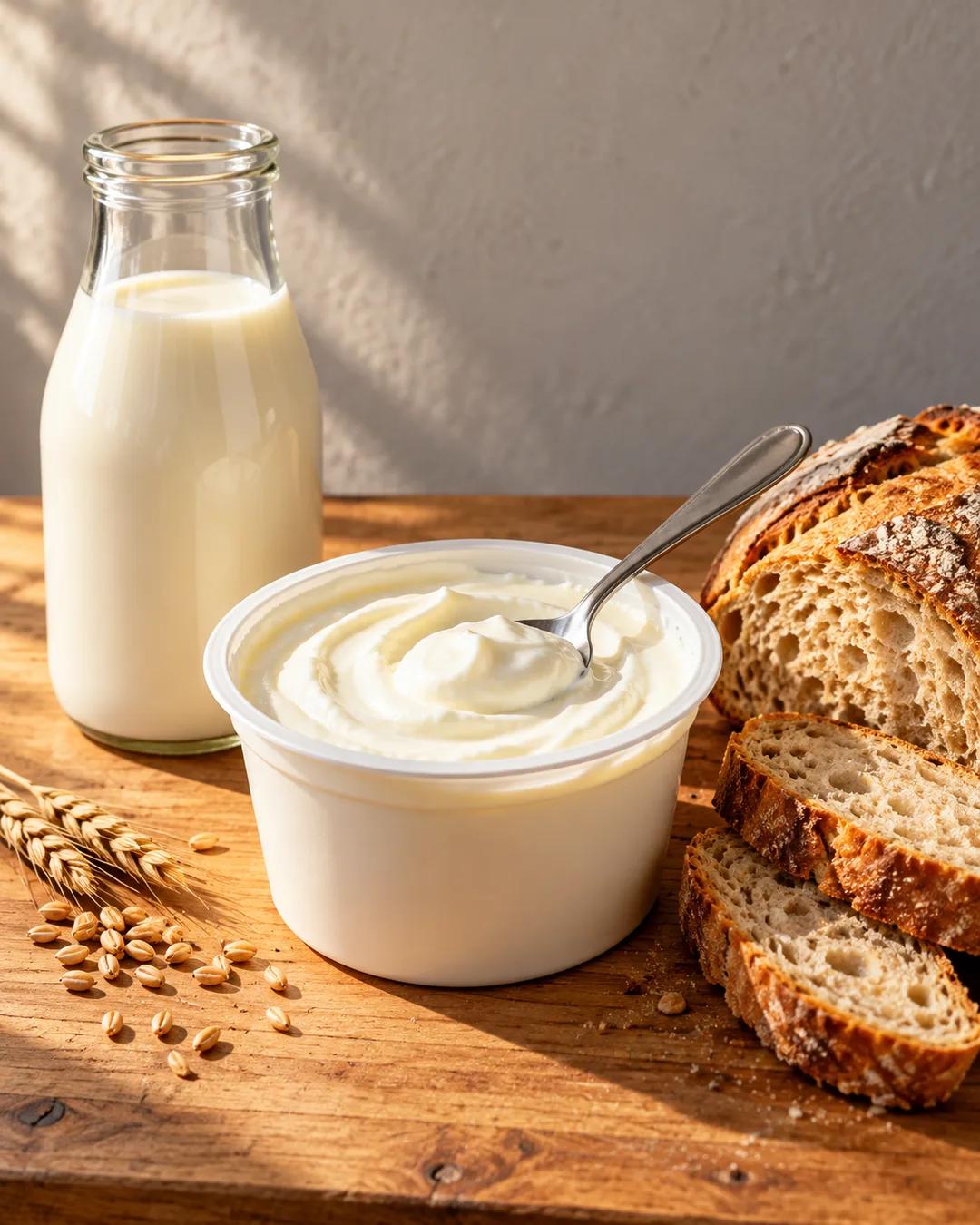
Ingredient lists name what is in a product but not how it was made, so two foods with similar lists can differ greatly in processing. A loaf from a bakery and a mass-produced loaf may share flour, water, yeast, and salt, but the factory version often adds emulsifiers and dough conditioners to speed production and extend shelf life. Classification systems like NOVA therefore look at the purpose of the ingredients, not just their presence.
More from Kurzgesagt – In a Nutshell