Korva is a scroll of the internet’s best ideas.
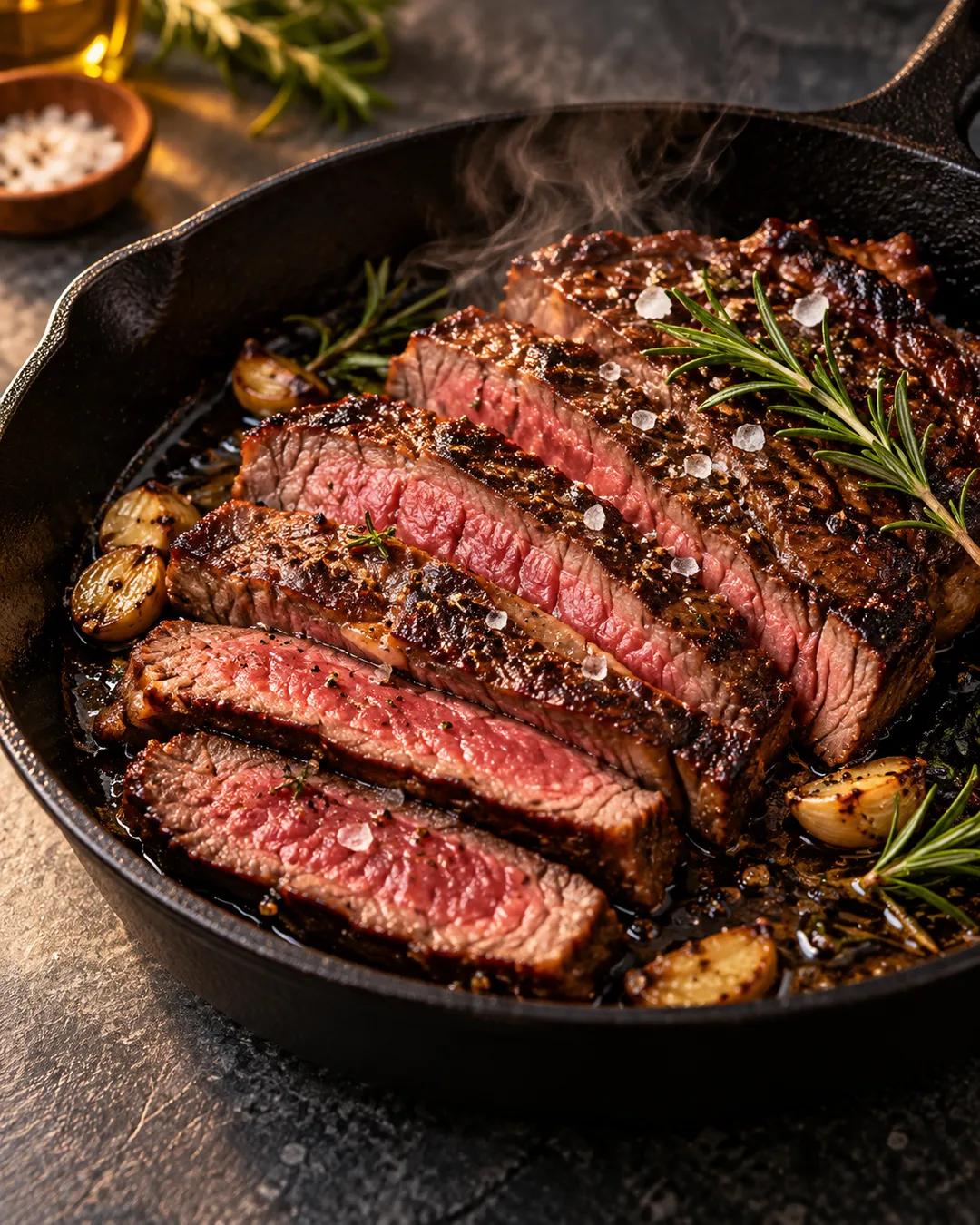
Protein costs 20 to 30% to digest

Digesting and processing food burns energy, a cost called the thermic effect of food. For fat it runs about 0 to 3 percent, so 100 calories nets about 97 to 100. Carbohydrate costs about 5 to 10 percent, and fiber content makes a big difference. Protein costs 20 to 30 percent.
Different sources of calories can differ in their effects on energy expenditure and appetite, and protein tends to be more satiating than the others. The thermic effect is still a small slice of total daily energy expenditure, about 5 to 10 percent, so the extra burn from protein is real but modest.
Protein's carbons are unlikely to wind up in fat tissue. A large amount of protein as part of a large calorie intake still has to be oxidized, though, and that can leave a calorie cushion that lets other nutrients get stored as fat.
Why does digesting protein cost more energy?
Breaking protein into amino acids, absorbing them, and processing the ones the body does not use all take ATP. The liver has to strip nitrogen from surplus amino acids and package it as urea, which is one of the costly steps. Dietary fat, by contrast, is stored as body fat with very little chemical rearrangement. That is why fat sits at the bottom of the thermic range and protein at the top.
How do scientists measure the thermic effect of food?
They use indirect calorimetry, in which a person rests under a ventilated hood or in a sealed room while instruments record oxygen consumed and carbon dioxide produced. Readings are taken before a meal and for several hours afterward. The rise in oxygen use above the resting baseline converts to extra heat produced by digestion. Measurements run for hours because the effect lingers after the last bite.
Why does fiber change a carbohydrate's cost?
Fiber resists the enzymes of the small intestine, so much of it reaches the colon intact. Gut bacteria ferment part of it into short-chain fatty acids, which the body absorbs for some energy. Energy accounting systems built on the Atwater factors credit digestible carbohydrate with 4 calories per gram and fermentable fiber with roughly 2.
More from Andrew Huberman