Korva is a scroll of the internet’s best ideas.
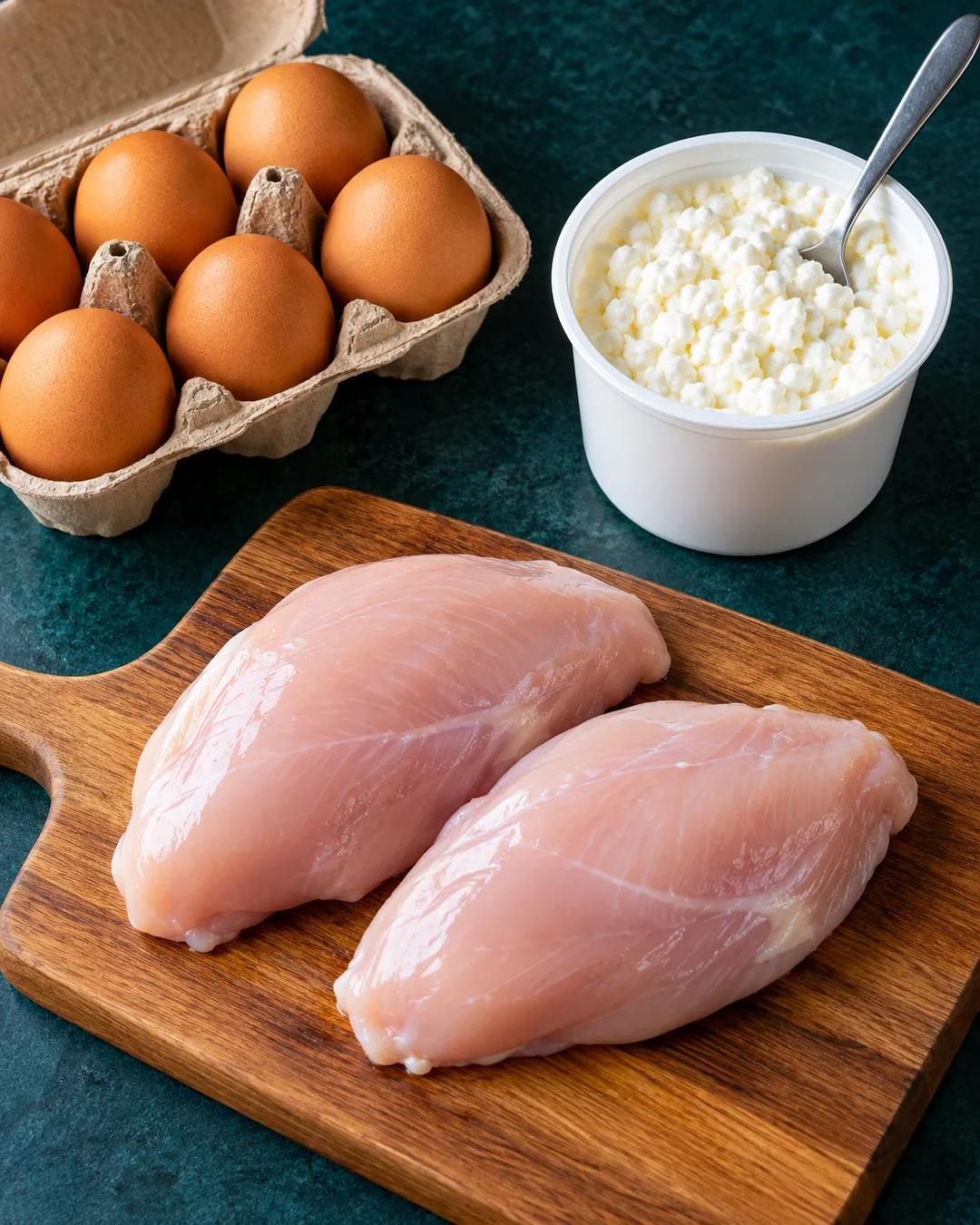
Protein is the biggest lever

The gain from more protein probably follows an asymptote: each extra bit adds a little more, until the benefit is so small it counts as none. A year-long randomized controlled trial led by Jose Antonio tracked many biomarkers and found no negative health outcomes up to about four grams per kilogram of body weight.
The one notable effect was that people felt so satiated they ended up eating fewer calories.
Protein works through several routes. It has a higher thermic effect of food, it helps preserve lean mass during a diet, and it helps build or preserve lean mass at maintenance and in a surplus. Total protein matters far more than how it is split across meals, though American eating patterns skew heavily toward dinner, with around 65 to 70 percent of protein coming then.
Why does extra protein stop adding muscle?
Muscle protein synthesis has a ceiling per meal, set by the cell's machinery for building new protein. Once that is saturated, extra amino acids are burned for energy or converted to urea and excreted. Research at McMaster University found that the synthesis response to a protein dose plateaued in young men. Amino acids that go unused for building simply take other metabolic paths.
How does protein make a meal more filling?
Protein raises gut hormones such as peptide YY and GLP-1, which signal fullness to the brain. Amino acids in the blood also act directly on appetite centers. The high thermic effect of protein adds to the effect. In short-term feeding studies, protein has been among the most satiating macronutrients per calorie.
Why do Americans eat most protein at dinner?
Typical American breakfasts are built on grains and pastries, and many lunches center on bread. Dinner is usually the meal built around a meat portion. Analyses of US national survey data by Douglas Paddon-Jones and colleagues found that dinner supplies the largest share of daily protein.
More from Andrew Huberman