Korva is a scroll of the internet’s best ideas.
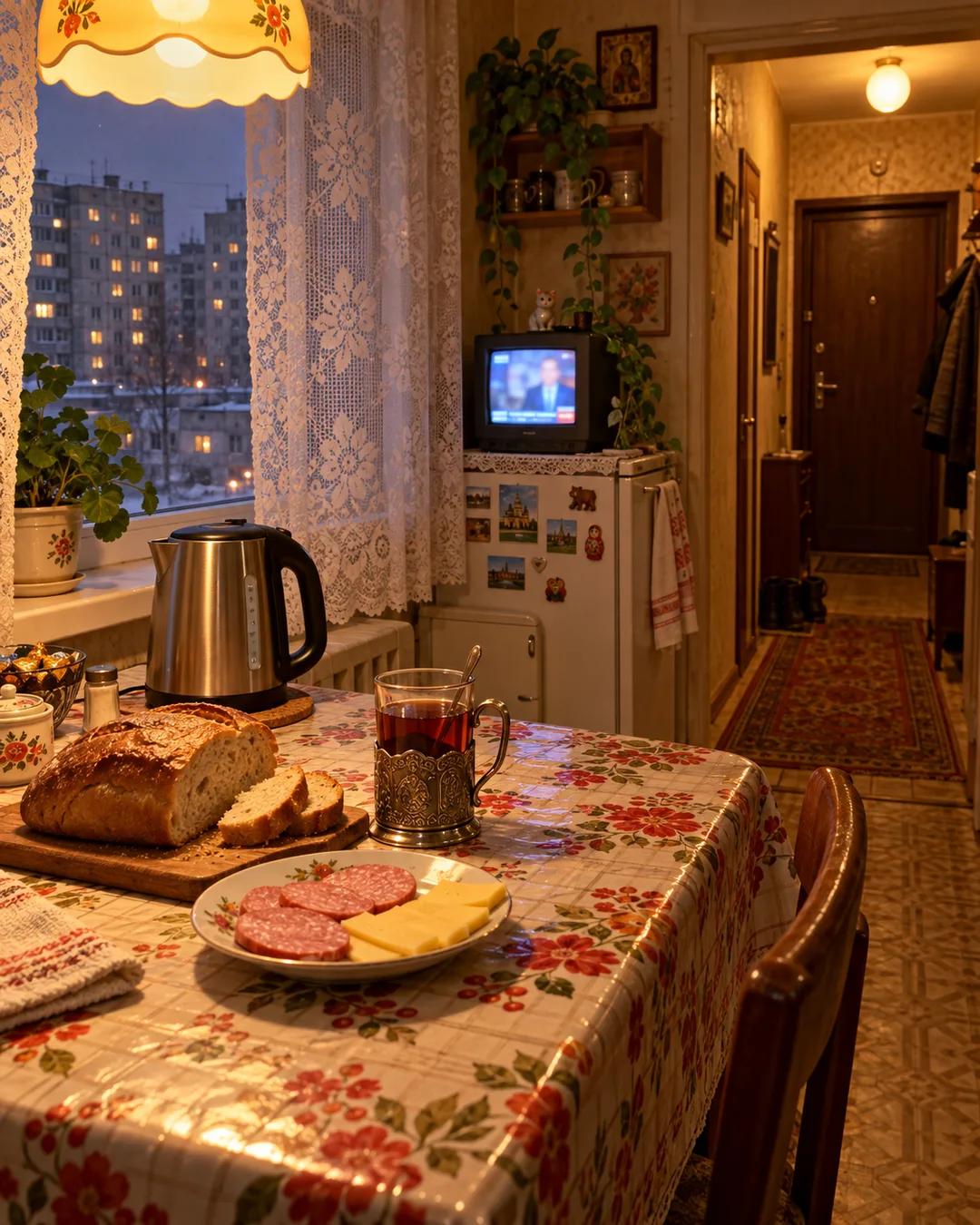
Putin's deal: stay out of politics
The trade was plain. Politics was Putin's business, and in return he promised some degree of prosperity. It worked for a while: his first decade in power started reasonably well, helped by high energy prices.
Over time he failed to keep that promise and began offering victories outside Russia as a substitute for a rising standard of living. That substitute has not worked out very well, and the Russian economy now shows the effects of more than four and a half years of war in Ukraine.
Meanwhile his grip on power has tightened and is still pretty formidable, though he has doubters inside the Russian system.
Why did high energy prices help Russia grow?
Russia is one of the world's largest exporters of oil and natural gas, so its export income rises when prices rise. Oil prices climbed through the 2000s, and Brent crude peaked near 145 dollars a barrel in July 2008. The extra revenue let the government raise pensions and wages and build up reserves. When prices fell later, the same dependence worked in reverse.
How do regimes trade prosperity for obedience?
Political scientists call this arrangement performance legitimacy: a government earns acceptance by delivering rising living standards. It holds as long as incomes keep climbing, which makes economic stagnation its usual point of strain. The Soviet Union in its later decades followed a similar unwritten arrangement, often called the Brezhnev-era social contract.
More from Not Dead Yet