Korva is a scroll of the internet’s best ideas.

Read in the cracks of your day
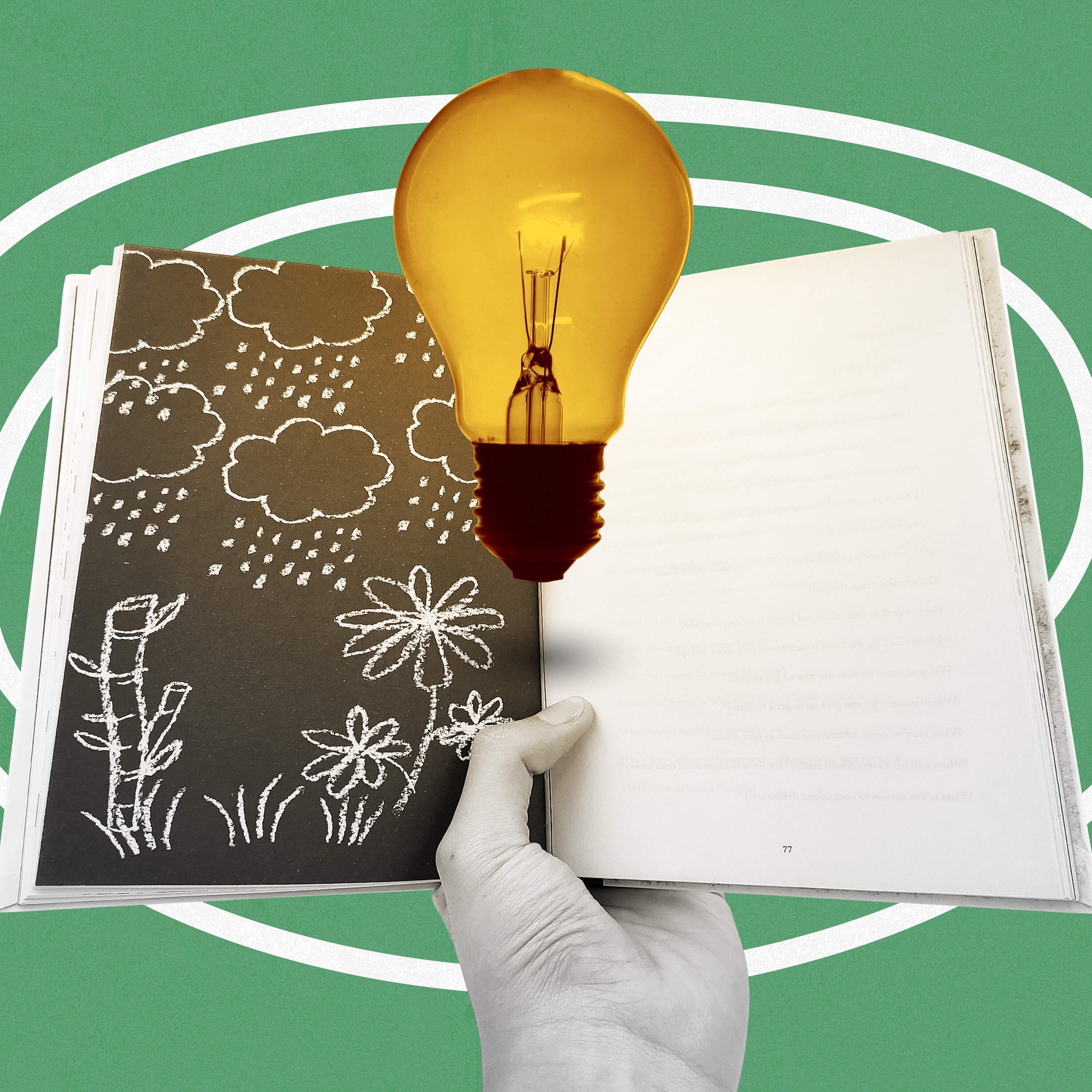
Small windows add up. Arriving early to school pickup is one, and waiting for clothes to finish at the laundromat is another. A commute is the easiest of all.
Driving to work becomes audiobook time. Getting on the subway becomes the moment to open the book. The phone stays away from video games, and no podcast takes its place.
That discipline comes easily because a commute is a sequestered part of the day. The decision is made once, that this is the time for this thing, and the day takes care of the rest.
Why does a fixed time make a habit stick?
In a 2009 study in the European Journal of Social Psychology, Phillippa Lally and colleagues at University College London followed 96 volunteers as they built a new daily habit. The time for the behavior to feel automatic ranged from 18 to 254 days, with a median of 66 days. Habits attach to a context cue such as a place, a time, or a preceding action, and a commute supplies the same cue every day.
Is listening to a book as good as reading?
A 2016 study in SAGE Open by Beth Rogowsky and colleagues at Bloomsburg University compared adults who read a nonfiction book, listened to it, or did both. Their comprehension scores on a test did not differ significantly across the three groups. The study included 60 adults and used one nonfiction book.
Why do idle moments pull people to their phones?
Psychologist B. F. Skinner found in experiments with pigeons and rats that rewards delivered unpredictably produce steady, persistent responding. Scrolling a feed delivers interesting items on an unpredictable schedule, and researchers often compare it to that pattern. Skinner and Charles Ferster documented the schedules in their 1957 book Schedules of Reinforcement.
More from Life Kit