Korva is a scroll of the internet’s best ideas.
Reawakened neurons restarted gut inflammation

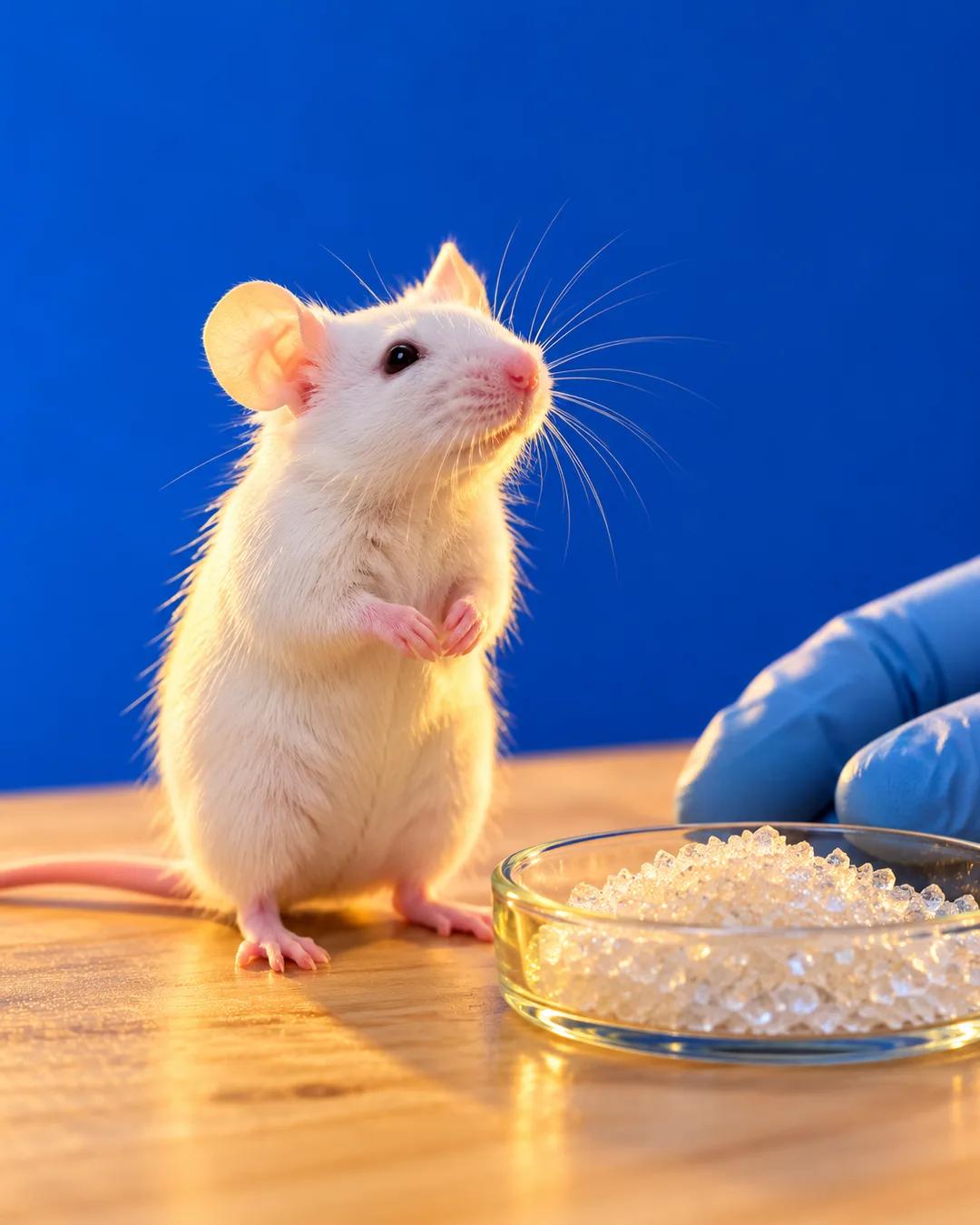
An Israeli research group fed mice a really weird sugar that makes the bowel puncture, which gave the mice inflammatory bowel disease and a bad stomach ache. During that illness, the team marked every neuron firing in the insular cortex, a region tied to moral decision-making and to feeling another person's pain: watch someone's hand bleed, and you can sense it in your own.
After the mice recovered, the researchers fired those same marked neurons again, using a drug as the cue. Immune cells accumulated in the gut once more, not as strongly as in the original illness, as if the tissue were getting ready for inflammation. The immune system in the gut looked to be resetting itself as if it had just been punctured.
Separate studies are showing that the insular cortex can program the immune state of organs through the vagus nerve.
How can a brain region influence the gut's immune cells?
The vagus nerve is the longest cranial nerve, running from the brainstem down into the chest and abdomen. Most of its fibers carry signals up to the brain, but it also carries commands back down to organs. Kevin Tracey and colleagues described an inflammatory reflex in which vagus signals lead the spleen to release a chemical that quiets immune cells called macrophages. The same wiring lets the nervous system turn inflammation up or down in the body.
How do researchers mark neurons that fired?
When a neuron fires strongly, it switches on certain genes within minutes, including one called c-Fos. Scientists build mice in which the c-Fos switch also drives a tag protein, but only during a window opened by a drug. Neurons labeled this way can later be fitted with a receptor that responds to an otherwise inert designer drug, which lets the team make exactly those cells fire again. This approach is called chemogenetics.
How does a sugar polymer injure the colon?
The sugar-like compound mice are fed in these studies is typically dextran sulfate sodium, a sulfated polymer dissolved in drinking water. It is toxic to the cells lining the colon and breaks down the barrier that keeps gut bacteria away from immune tissue. The resulting inflammation resembles ulcerative colitis in people. It has been a standard model of bowel inflammation in mice for decades.
More from Andrew Huberman