Korva is a scroll of the internet’s best ideas.
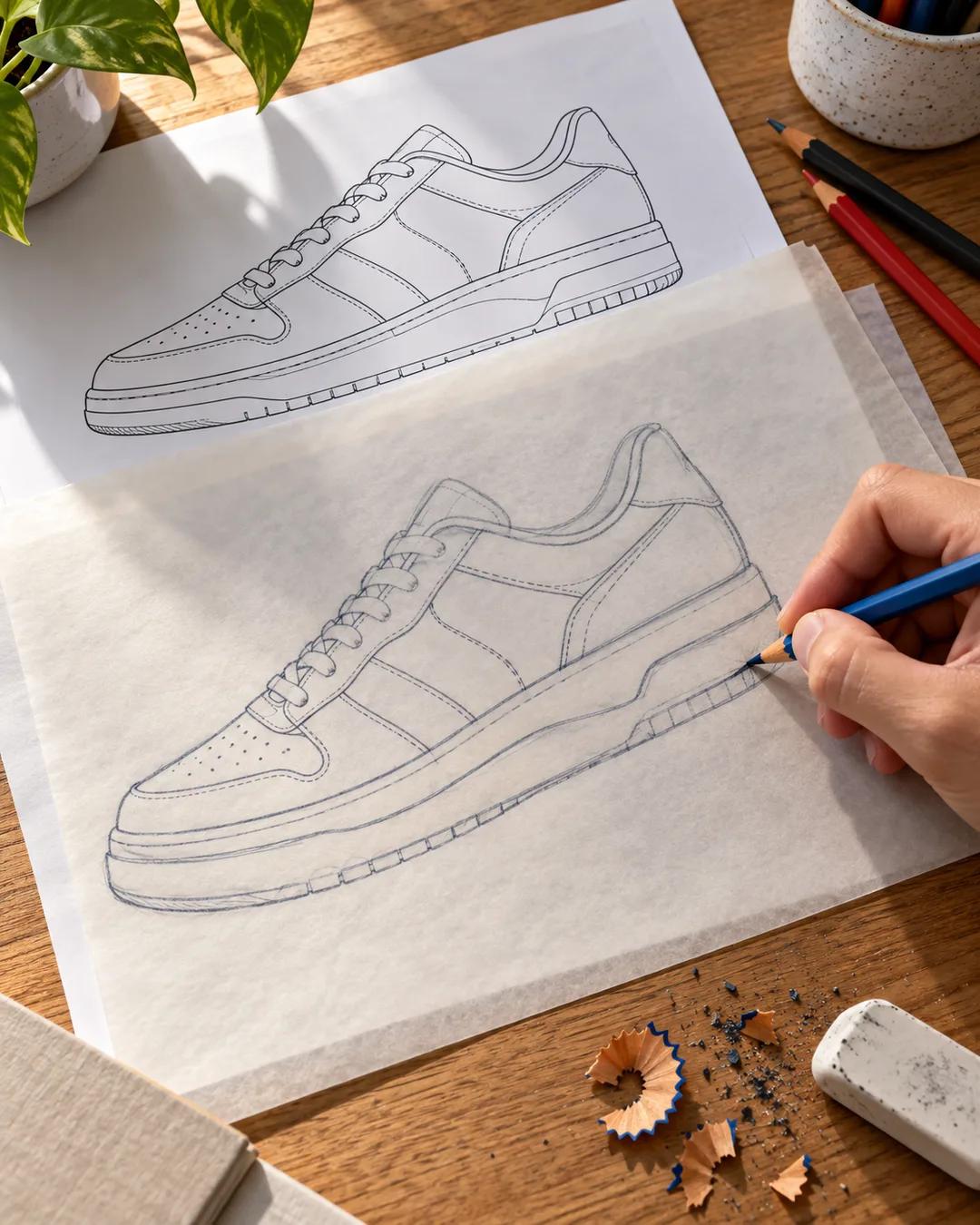
Remix a winner 10 to 20%
The first step comes before a first campaign launches: search TikTok and Instagram for competitors in the space. Many people get overwhelmed trying to create a brand new format when the working ones are already posted. The copy should not be blatant: the format gets remixed, and the product gets plugged in.
A straight copy tends to fail for a reason. The accounts that posted the original have usually spent a month or longer warming up their audience, so the format lands there. Plenty of accounts starting from day zero copy a format exactly, never warm up properly, and have no audience, and it doesn't necessarily work. A winning format remixed by 10 to 20% gives an account validity with the algorithm, and that is what allows it to scale.
A founder without $2,000 to $4,000 for creators can run the same playbook alone. A small team that just launched an app can create the accounts and show up every day with UGC, which is one of the best ways to accelerate the business.
Why do exact copies fail on brand-new accounts?
A new account gives the platform almost no history to judge who might like its videos, so early reach is small. An established account already has a record of engagement that tells the system which audience to try. Platforms also work to favor original posts: Instagram announced in 2024 that it would show original content more prominently than reposted content. Copying a format exactly onto a blank account loses on both counts.
Why does staying in one niche help an account grow?
Recommendation systems learn what an account is about from the videos it posts and who engages with them. Consistent topics give the system clearer signals about whom to show the next video to. TikTok has said its recommendations draw on signals such as video information, user interactions, and device and account settings. An account that posts scattered content gives those signals less to work with.
How do formats spread and change online?
Richard Dawkins coined the word meme in his 1976 book The Selfish Gene for an idea that spreads from person to person and changes along the way. Online formats follow the same pattern, since each new poster copies a structure and adjusts a piece of it. The versions that keep an audience's attention get copied again, and the rest fade. Dawkins took the word from the Greek mimeme, meaning something imitated.
More from The Superwall Podcast