Korva is a scroll of the internet’s best ideas.
Resistance means you need it

Resistance comes first
Almost everything that makes people feel better is preceded by resistance. Before a dance floor, a walk, or a conversation, a person feels low on energy, socially anxious, or withdrawn, because they have not yet done the thing that gives energy, eases self-consciousness, and builds connection.
Reading the signal backward
So the thought "I don't have the energy for this" or "I don't know whether I should join in" is a real signal that gets read backward. It marks the moment to draw on a commitment to oneself rather than wait for a feeling of being ready.
What movement tells the brain
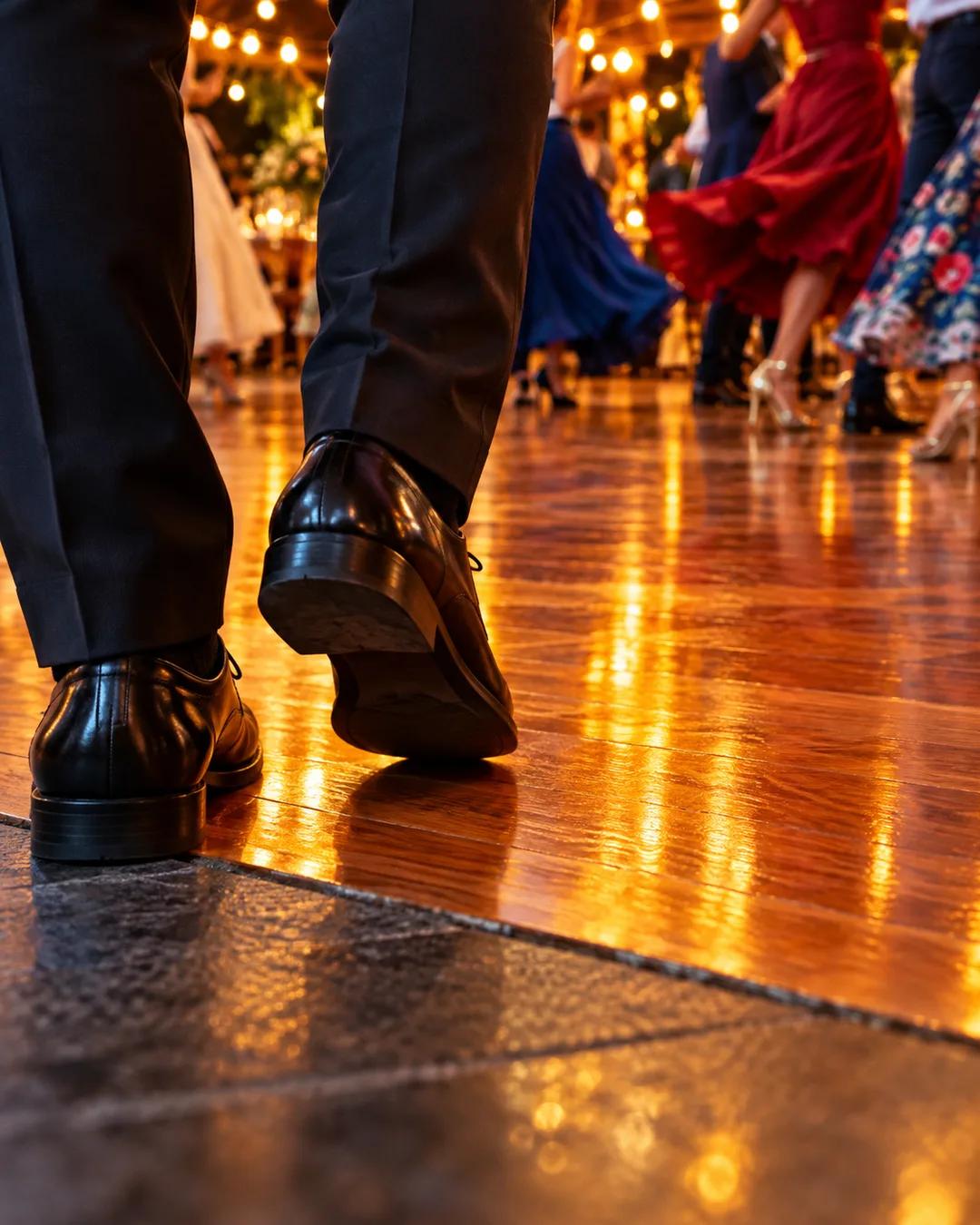
Movement carries its own message. The brain takes it literally: you are moving forward, there are steps you can take, you can do hard things. Moving with somebody else tells it that you are not alone. At a wedding, stepping onto the dance floor and moving your shoulders is enough to be pulled into a force field of connection and joy.
Why does moving lift energy when energy is low?
Psychologist Robert Thayer at California State University, Long Beach, found in 1987 that a brisk ten-minute walk raised self-reported energy and reduced tiredness for up to two hours. A sugar snack gave a quick boost that was followed by a drop in energy. Thayer attributed the difference to the way moderate activity raises arousal without the crash that follows a sugar spike. His work became a foundation for later research on short bouts of activity and mood.
Why do people underestimate how much they'll enjoy joining in?
Nicholas Epley and Juliana Schroeder reported in 2014 in the Journal of Experimental Psychology: General that train and bus commuters in the Chicago area who were asked to talk to a stranger had a more positive commute than those who sat in solitude. Commuters in a separate group had predicted the opposite, expecting solitude to be more pleasant. The researchers called this a mistaken seeking of solitude. Conversation was rarely as awkward as people had expected.
How does moving together build connection?
Scott Wiltermuth and Chip Heath reported in 2009 in Psychological Science that groups who moved in sync, such as by walking in step or singing together, cooperated more in later economic games than groups who did not. People in the synchronized groups also contributed more to the group's shared resources. Synchrony is thought to blur the sense of where one person ends and the group begins. Ritual dances, marching, and group singing appear in cultures throughout history.
More from The Mel Robbins Podcast