Korva is a scroll of the internet’s best ideas.
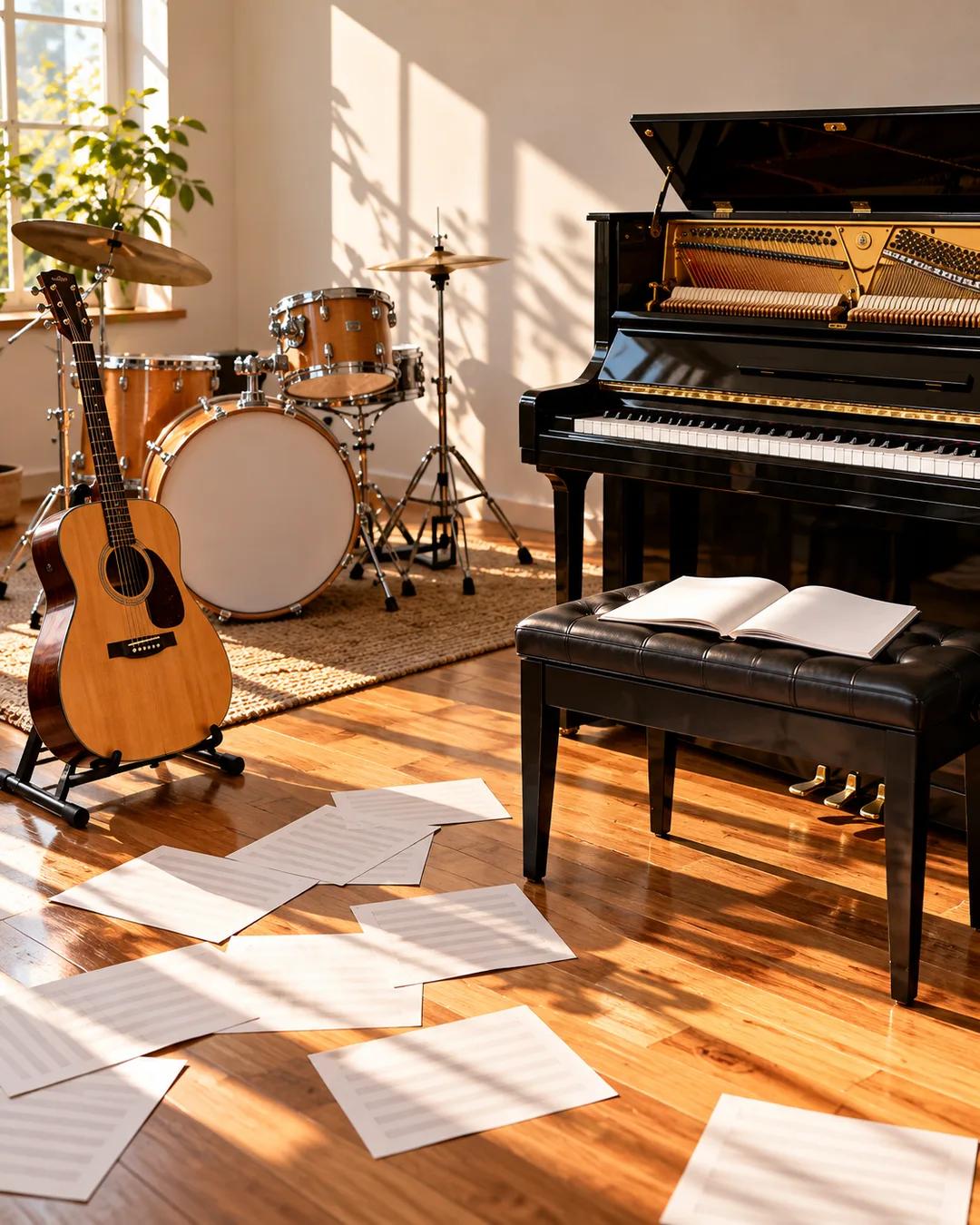
Retired and took up three instruments
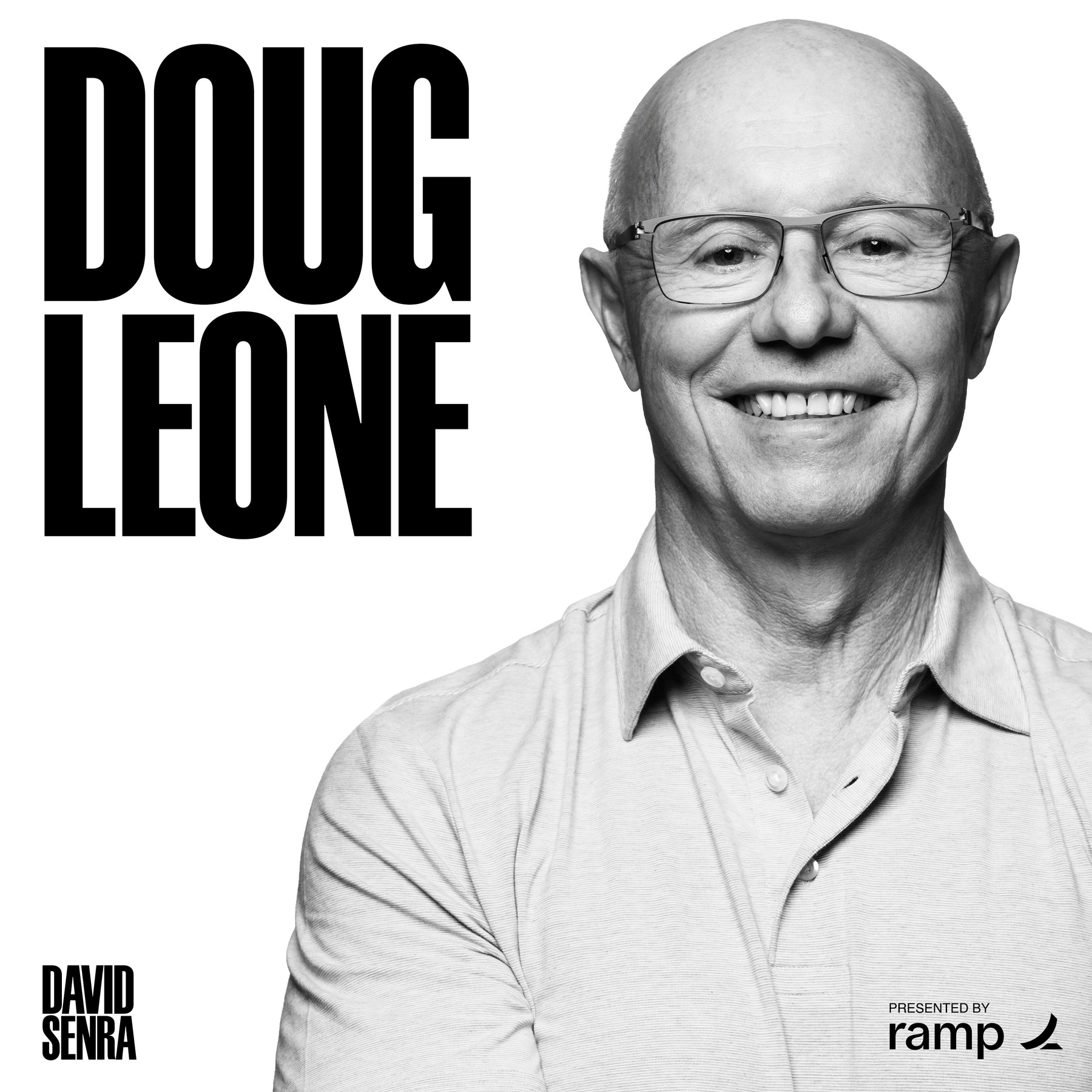
Stepping down at sixty-five
Doug Leone ran Sequoia for 26 years before he stepped down on his sixty-fifth birthday and chose Roelof as his successor. An old king in the building with a new king struck him as a bad arrangement, so he stepped out.
Too little to do
He sat on ten boards and had founded a biotech company, and he assumed that would keep him busy. It didn't, because all his companies were working, and when a company is working there is nothing to do. So he started drum lessons, guitar lessons, and piano lessons, which took up about a year.
The offer to return
Then Roelof stepped down, and Pat and Alfred took over. Thirty days in, they showed up at Leone's house with no warning and asked whether he would like to come back. He was down to six boards by then, since four companies had been sold, Wiz among them. He said sure on the spot, and they cut the deal that afternoon on a single sheet of paper.
Why is retirement so hard for driven people?
Sociologist Robert Atchley described retirement in 1976 as a series of phases, starting with a honeymoon period and often followed by disenchantment. Work supplies structure, status, and daily contact with colleagues, and losing all three at once can leave a gap that leisure doesn't fill. Studies of retirees have repeatedly found that a sense of purpose and a regular routine matter as much as free time.
How does learning an instrument change the adult brain?
In a 2003 study in the Journal of Neuroscience, Christian Gaser and Gottfried Schlaug compared professional musicians, amateur musicians, and non-musicians. Professional musicians had more gray matter in motor, auditory, and visual-spatial regions of the brain. Playing an instrument combines reading notation, hearing pitch, and coordinating the hands, so it engages many brain systems at once.
More from David Senra