Korva is a scroll of the internet’s best ideas.
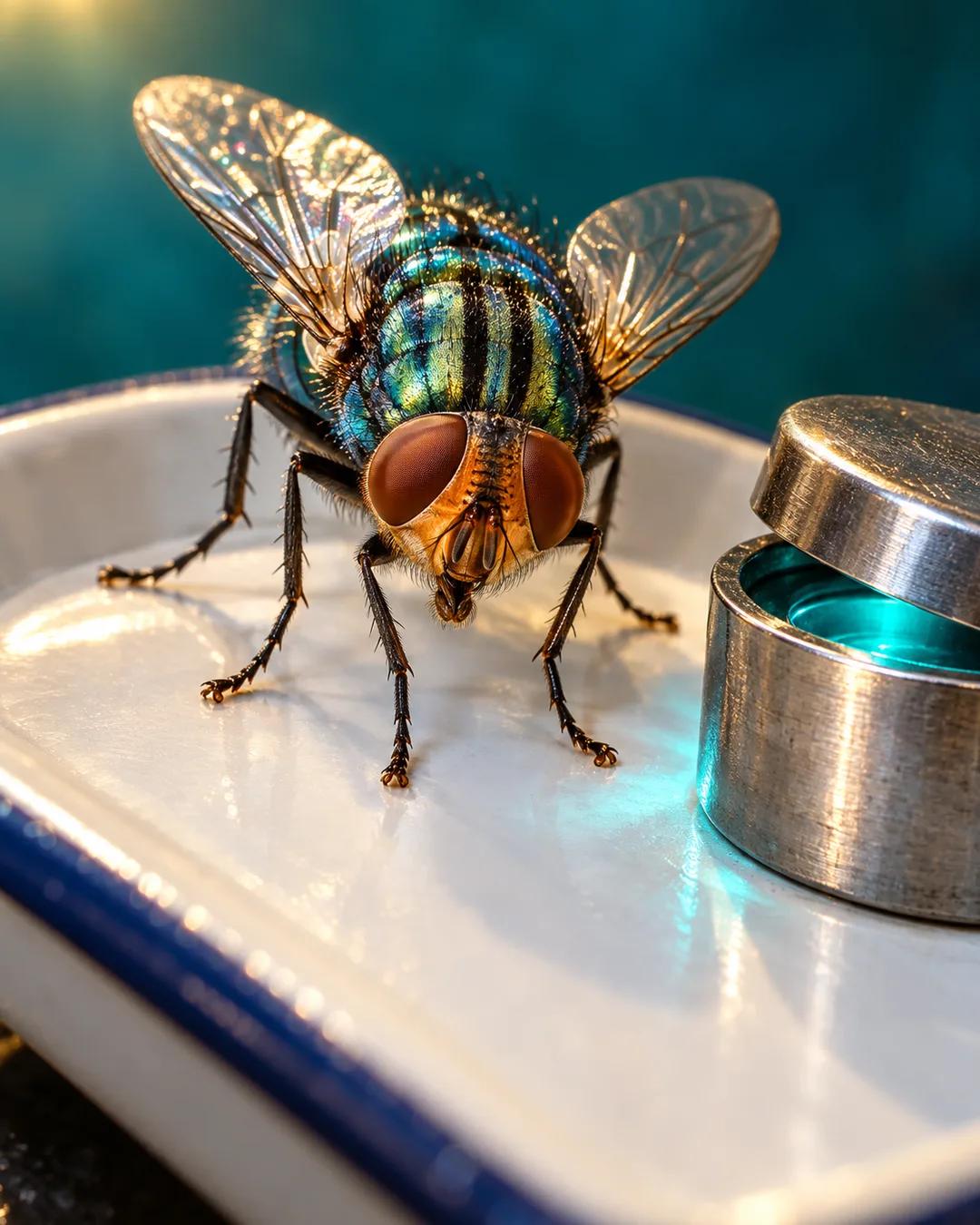
Ridiculed for sterilizing flies

A hunch about mating
Both men had been gathering pieces of the answer. Knipling had a hunch from watching wild flies that a female screwworm mates only once in her life, and Bushland's lab colony let him confirm it. When he arrived at Bushland's Texas lab in 1937, he was astounded at how many flies could be grown there compared with the few that seemed to exist in the wild.
The sterile male plan
From there the outline of a plan took shape. Dump huge numbers of sterile males into an area where cold weather had already thinned the wild flies, and most females would mate with a sterile male and produce no viable offspring. Keep dumping them, and the population would breed itself out of existence. Their colleagues asked who had ever heard of castrating flies, so the two kept the idea to themselves.
Sterilizing with radiation
For a decade it stayed a pipe dream, because nobody knew how to mass-sterilize male flies. In 1950 Knipling read an article by Hermann Muller, a Nobel Prize winner who had shown that radiation could introduce mutations into fruit flies, and he wrote to ask whether radiation could sterilize male screwworms. Muller answered that he knew nothing of screwworms but the theory was sound.
With no research funds, Bushland worked nights and weekends. He used an Army hospital's X-ray machine for free and borrowed a sample of highly radioactive cobalt-60 from Oak Ridge National Lab. At a high enough dose, the males were completely sterilized. They still mated, and the females still laid eggs, but the eggs never hatched.
Why does one mating make sterile males so effective?
Because a female mates only once, every female that pairs with a sterile male is removed from reproduction for the rest of her life. As the wild population shrinks, the same number of released sterile males makes up a larger share of the available mates. Each round of releases therefore removes a bigger fraction of the wild population than the round before, which is why the method becomes more efficient as the pest becomes rarer.
How does radiation make a male fly sterile?
Ionizing radiation damages the DNA inside developing sperm cells. The sperm can still be produced and transferred during mating, but they carry lethal mutations, so the embryos die before hatching. Hermann Muller received the 1946 Nobel Prize in Physiology or Medicine for showing that X-rays cause mutations in fruit flies.
Why not just spray the flies with insecticide?
Insecticides kill a roughly fixed share of the insects they reach, and the cost of finding scattered survivors climbs as the pest gets rarer. Sterile males work the other way, because they search out wild females by themselves and become more effective as wild flies thin out. Insecticides also kill harmless insects and can leave residues in the environment, while sterile flies affect only the species that is released.
More from Brian Potter