Korva is a scroll of the internet’s best ideas.
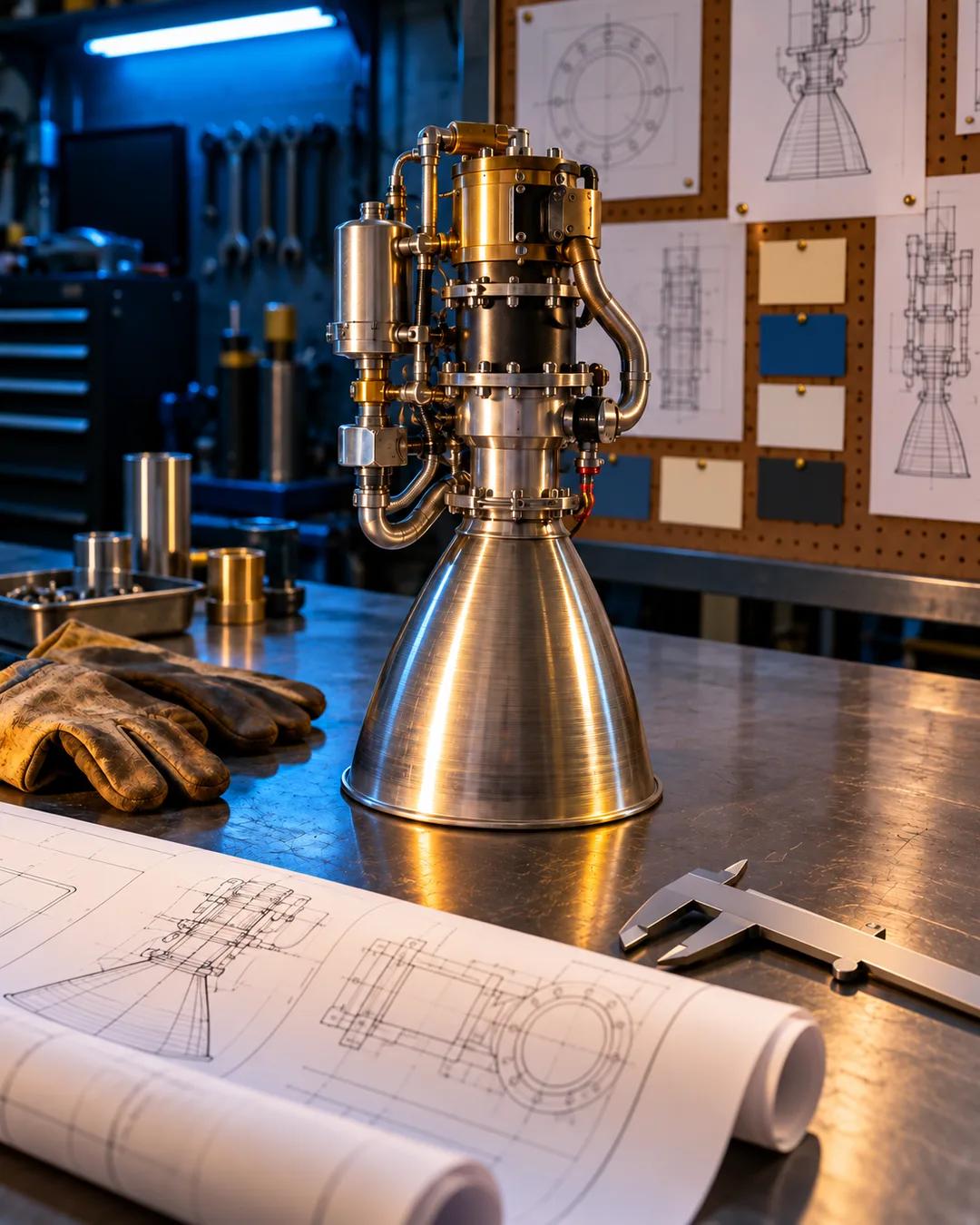
Rocket company, no big round

They built preliminary designs with what they had. They put together an advisory board and inspired influential people to join the company.
They built partnerships within the industry for the supply chain and for eventual customers. They got involved in industry events, traveling the country to shake hands and take part in the politics of space.
Every time some risk is reduced, some value is created, and that held for even the smallest bit of progress. They did everything they could to reduce whatever risks they could, and none of it required funding.
Why do rising interest rates choke fundraising?
When rates rise, safe assets such as government bonds pay more, so investors demand more from risky bets. Startup value rests on profits far in the future, and a higher rate shrinks what those future profits are worth today. Valuations fall and fewer big rounds close. The US Federal Reserve raised its benchmark rate from near zero in March 2022 to above 5 percent by July 2023.
How does reducing risk create value?
Investors price uncertainty, so every doubt a company resolves raises the odds that it succeeds. Settling the design, the supply chain, the team, and early customer interest each removes a different kind of doubt. The same slice of equity becomes worth more once the odds improve. This is why startup valuations tend to step up from one funding stage to the next.
Why is the space industry so political?
Launching a rocket in the United States requires a license from the Federal Aviation Administration, and government agencies are among the largest customers. NASA's Commercial Orbital Transportation Services program, started in 2006, paid private companies to develop cargo spacecraft and helped lead to SpaceX's Dragon. Supply chains for rockets also run through a small circle of specialist manufacturers. Relationships with regulators, agencies, and suppliers therefore shape which companies get built.
More from Jeff Becker