Korva is a scroll of the internet’s best ideas.
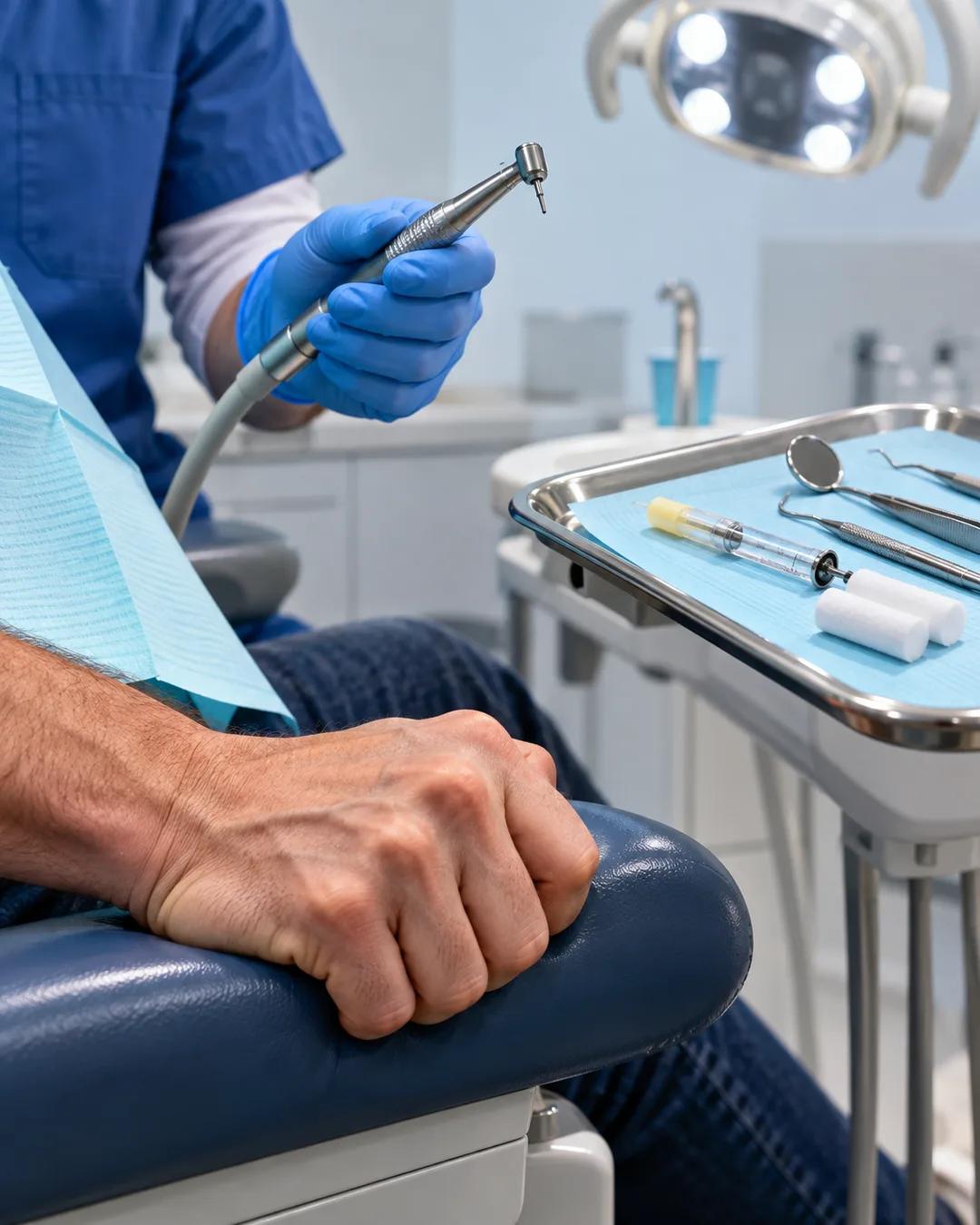
Root canal with no Novocaine

The dentist told him he was out of his mind. Doug Leone had spent his whole life wanting to know whether he was a fake with a tough shell or someone who was tough on the inside, and this was his test.
The first drill made him jump. He told the dentist he would not move again, and he held to it. To get there, he pictured what it must be like to go to war and lose an arm or both legs, which is pain with consequences. His was pain with none, just nerve endings running from the tooth to his spine to his brain.
He ended up a puddle of sweat and had to go home and change his shirt, but he never moved again.
How does Novocaine stop tooth pain?
Pain from a tooth travels along nerve fibers that carry electrical signals to the brainstem and then up to the brain. Local anesthetics such as Novocaine block the sodium channels in those fibers, so the signals can't fire. Procaine, sold as Novocaine, was introduced in 1905 by the German chemist Alfred Einhorn, and lidocaine, developed in the 1940s, later replaced it in most dental offices.
How can the mind turn pain down?
The brain doesn't simply receive pain signals; it also sends signals back down the spinal cord that can turn them up or down. In a 2004 study in Science led by Tor Wager, people who expected relief showed less activity in pain-sensitive brain regions, even though the stimulus was identical. Attention, meaning, and expectation all feed into that downward control, which is why the same injury can hurt very differently in different circumstances.
More from David Senra