Korva is a scroll of the internet’s best ideas.
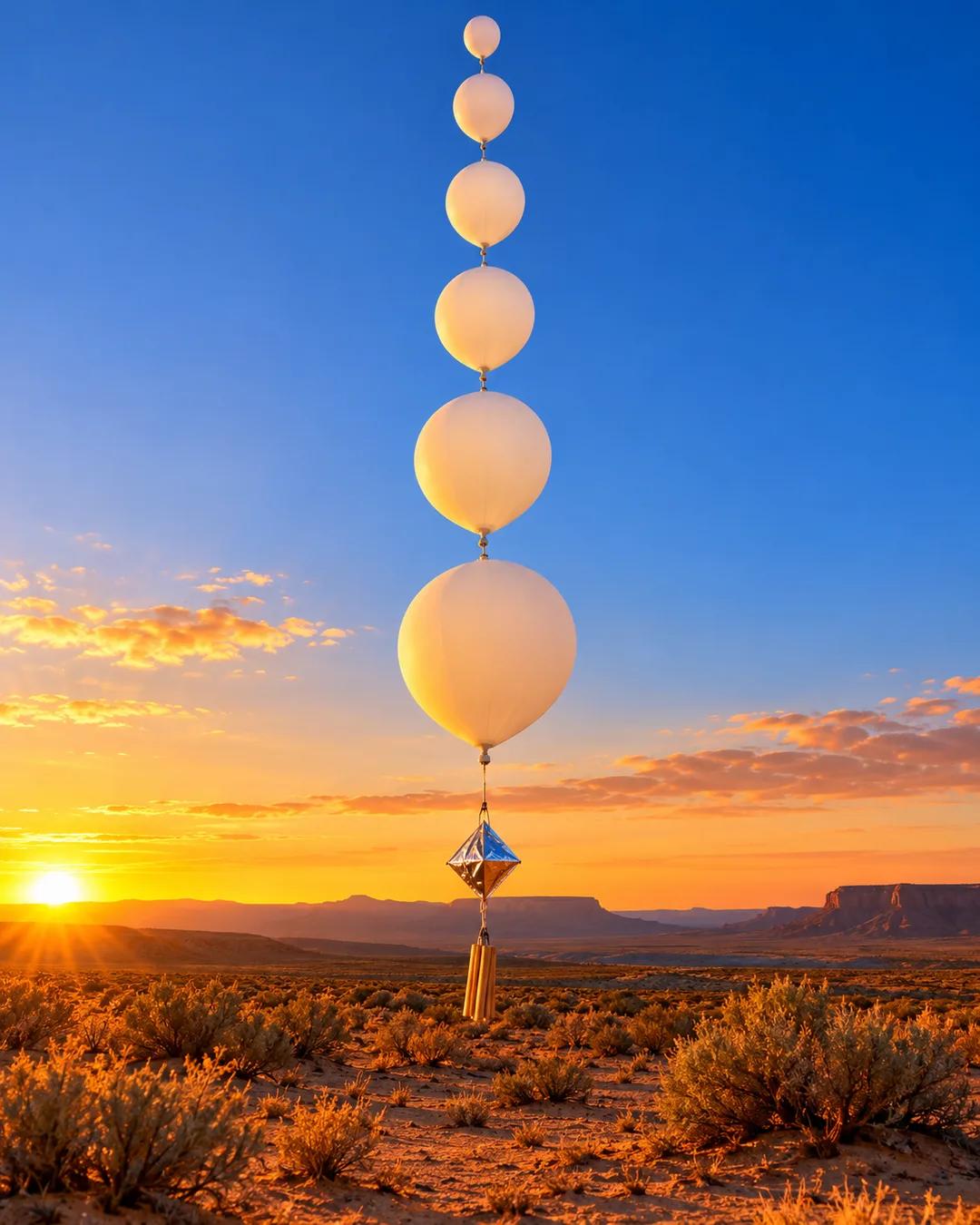
Roswell's saucer was a spy balloon

A secret balloon launch
On June 4, 1947, researchers at Alamogordo Army Air Field in New Mexico launched the balloons as part of Project Mogul, a top-secret program. They lost contact with the balloons and their equipment within 17 miles of W.W. "Mac" Brazel's ranch near Corona, and one balloon crashed there. Later that month, Brazel found tinfoil, rubber, tape, and thin wooden beams scattered across several acres.
Brazel finds the debris
Brazel had no phone or radio, so he knew nothing about the flying disc craze sweeping the country. On July 5, his uncle suggested the debris could be from a "flying disk." Hundreds of reports had come in over the Fourth of July weekend, and about $3,000 had been offered for physical proof. The next day Brazel drove to Roswell and told the sheriff, who called the Army air field.
Announced, then retracted
On July 8, the base's public information officer announced that the military had recovered a "flying disc." The story made international headlines and was retracted within a day, when General Roger Ramey and a weather officer identified the material as a weather balloon. That explanation hid the real source. In the 1990s, the Air Force traced the debris to a specific Mogul balloon train launched on June 4, and described the weather balloon story as an attempt to deflect attention from the top secret project.
How can a balloon hear a distant bomb?
Sound travels very far in a layer of the upper atmosphere, where temperature and wind bend sound waves back toward a narrow channel. Scientist Maurice Ewing had studied a similar deep channel in the ocean and proposed that a microphone carried high into the air could pick up distant blasts. Project Mogul put that idea on balloon trains in 1947. The Soviet Union's first atomic test took place in August 1949.
Why were the balloons loaded with foil and sticks?
Mogul balloon trains carried radar reflectors so ground stations could track them. Each reflector was a lightweight frame of thin balsa sticks covered in metal foil, which sends radar signals back strongly. The rubber came from the neoprene balloons themselves, and tape held the frames together. A single train could stretch hundreds of feet.
What set off the 1947 flying disc craze?
On June 24, 1947, pilot Kenneth Arnold reported nine shiny objects flying near Mount Rainier in Washington. He described their motion as like a saucer skipping across water. A newspaper headline turned that description into the phrase flying saucers, and it spread through the country within days. Reports then arrived from across the United States over the following weeks.
More from en.wikipedia.org