Korva is a scroll of the internet’s best ideas.
Safe technology gets built in public

Learning from flying
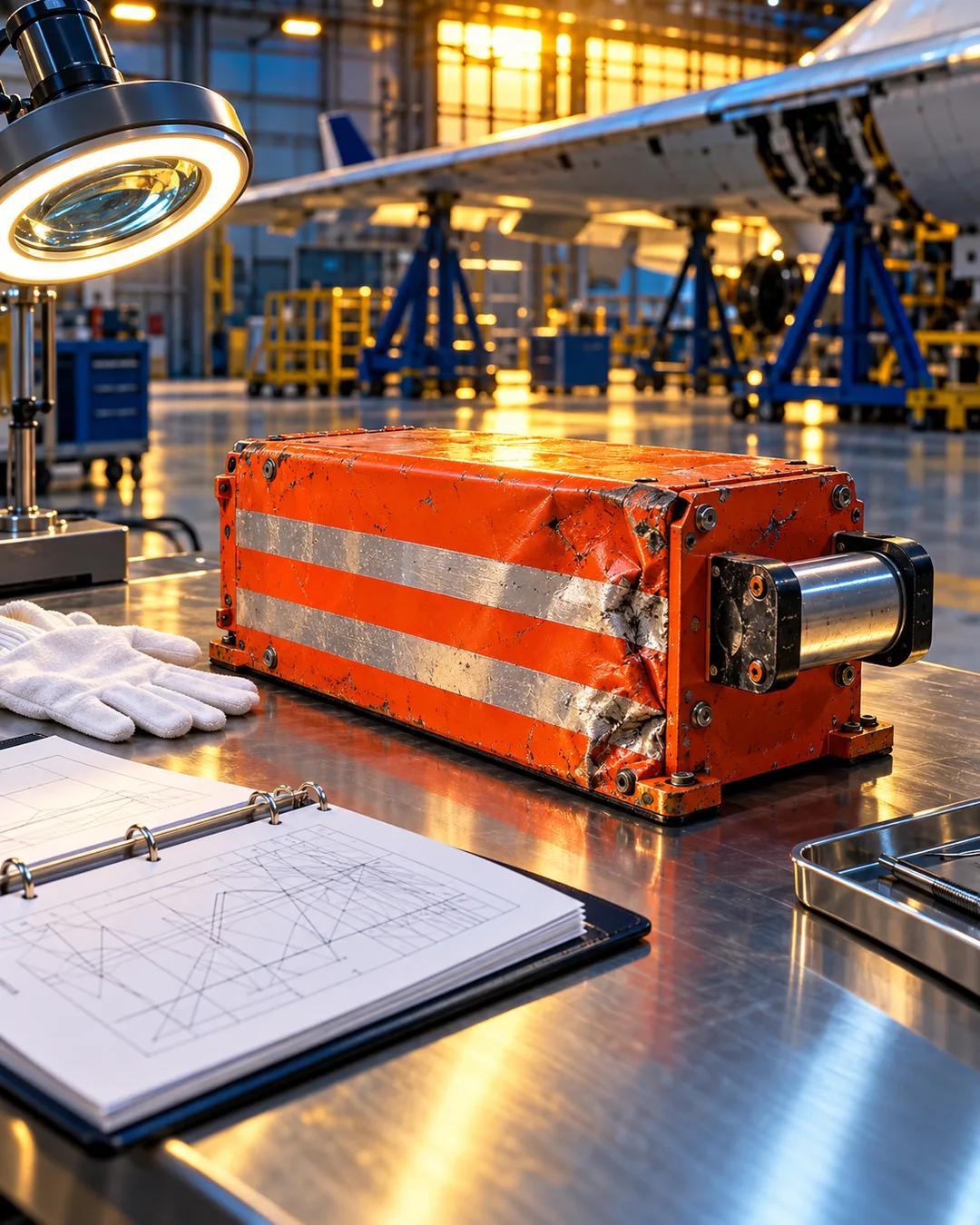
The FAA helped make flying incredibly safe through extremely robust, clear-eyed accident reporting. Investigators never hand-wave over something, and they extract as much information as possible. The same approach works for any new technology and is often underappreciated.
Releasing ChatGPT
ChatGPT went out into the world knowing the model was imperfect and hallucinated. The world has to experience the technology, and society and the models will co-evolve, which a lab thinking through every impact cannot predict. When something goes wrong, the response is to study it, publish a clear postmortem, and share the learnings with other people building AI.
Predictions versus reality
At the start of OpenAI, two opinions were widely held. One was that nothing very AGI-like would be built within ten years. The other was that if it were, it could not be made safe. A decade on, something most people at the time would call very AGI-like exists, with a billion people using it each week, and the crazy bad predictions have not happened. Each new level of model shows where guardrails can relax, where alignment fails, and where safety systems fail.
How do aviation accident investigations work?
In the United States, the National Transportation Safety Board investigates civil aviation accidents, an agency created in 1967. Investigators recover the flight data recorder and the cockpit voice recorder, which preserve the aircraft's readings and the crew's conversation. They publish findings and safety recommendations, which the Federal Aviation Administration and airlines can act on. The reports are public, so other operators around the world can learn from a single accident.
How did a crash change how pilots work together?
In 1977, two Boeing 747s collided on a runway in Tenerife, killing 583 people. Investigators found that communication problems and a captain who was not challenged played a part. NASA hosted a workshop in 1979 on resource management on the flight deck, which led to what became crew resource management training. Airlines worldwide now teach pilots to speak up and cross-check each other.
Why do blameless postmortems reveal more?
When people fear punishment, they tend to hide the details of what went wrong. A blameless postmortem focuses on how a system allowed the mistake rather than on who made it. The practice was popularized in software operations at companies such as Etsy and Google. Google's Site Reliability Engineering book, published in 2016, devotes a chapter to postmortem culture.
More from David Senra