Korva is a scroll of the internet’s best ideas.
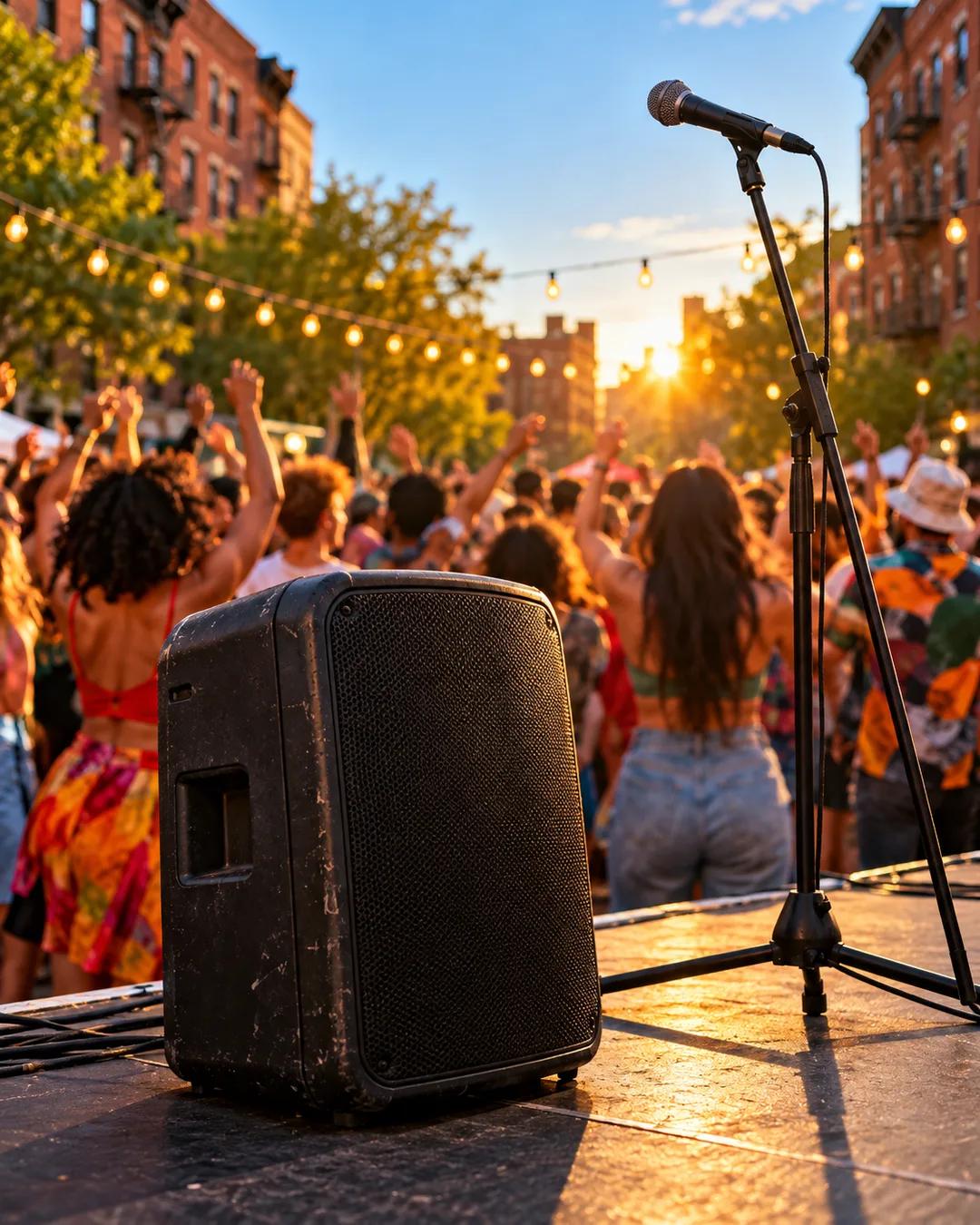
Salsa dancing as a heckler plan
Adding joy to a rally
The Mamdani mayoral campaign treated gathering as a strategic framework, and its rallies kept getting bigger. Like any rally that gets attention, they were bound to draw hecklers and protesters. So instead of planning only how to calm things down, the team asked how to insert joy: how to interrupt a disruption using the values the crowd already held. One option was to send in opera singers, and another was to blast salsa music and teach everyone to dance.
The Danza Kuduro plan
At one of the largest rallies, in Washington Heights, a comedian served as emcee and warned the crowd there might be disruptions. The crowd booed. He called interruptions normal and told them that if the event couldn't continue, they would hear a particular song. It was Danza Kuduro.
When they heard it, they were to stand up and dance. Washington Heights is a largely Latino neighborhood, and the crowd laughed, got to their feet, and started salsa dancing in the first opening moments of the rally. The dancing raised the warmth in the room and had people act out their values, which de-escalated tension before it could start.
Where does Danza Kuduro come from?
Danza Kuduro is a 2010 song by the Puerto Rican reggaeton artist Don Omar, featuring the Portuguese singer Lucenzo. Its title and sound blend Latin dance rhythms with the kuduro style that grew out of Angola. The song topped charts across Latin America and much of Europe. It reached an even wider audience in 2011 when it played in the film Fast Five.
Why is Washington Heights tied to Dominican culture?
Washington Heights, at the northern tip of Manhattan, became a main destination for Dominican immigrants beginning in the 1960s. Political turmoil and economic hardship in the Dominican Republic pushed waves of migration through the 1980s and 1990s. The neighborhood is now among the largest Dominican communities in the United States. Merengue and bachata drift out of its shops and apartment windows.
Why does dancing together make people cooperate more?
Psychologists Scott Wiltermuth and Chip Heath tested this in a 2009 study in Psychological Science. Groups that moved in sync, by walking in step or singing together, later cooperated more in an economic game than groups that did not. The researchers pointed to a feeling of unity that comes from shared movement. Similar effects have shown up in studies of marching, chanting, and group dance.
More from The Curiosity Shop with Brené Brown and Adam Grant