Korva is a scroll of the internet’s best ideas.
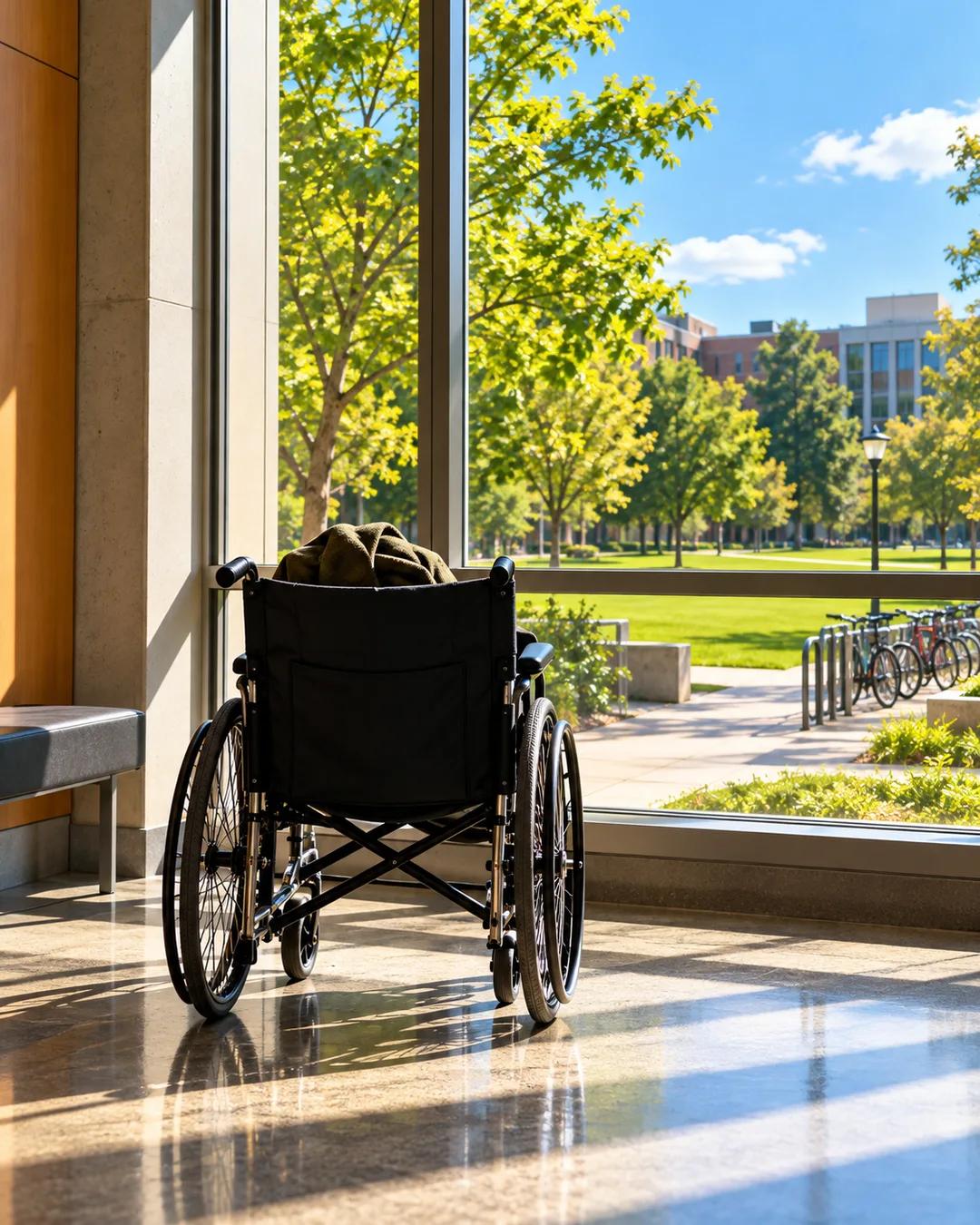
Same injury, opposite outlooks

The course focused on the biology and limits of regeneration, but the instructors brought in patients to highlight the differences in patient need. A young man in his 20s talked about life before and after his spinal cord injury and how he was thinking about things.
In a separate lecture an older man with a spinal cord injury spoke. He knew he would never walk again, but he had lived a lot of life and done a lot of things. He focused on what he could still do.
The younger man talked about the many things on the horizon that he hadn't done and really wanted to do, and no longer had access to. The older man noted that he wasn't much worse off than his peers unless he let himself become a pessimist. As an optimist, he was doing better than a lot of his walking peers.
Why do optimists adapt better after injury?
In a 1978 study, Philip Brickman, Dan Coates, and Ronnie Janoff-Bulman compared lottery winners, people with paralysis from accidents, and a control group. The accident victims rated their present happiness lower than the control group did, but less low than many would predict. People tend to adapt to major changes more than they expect. An optimistic outlook focuses attention on what remains possible, which supports that adaptation.
How much can the spinal cord regenerate?
Spanish neuroscientist Santiago Ramon y Cajal observed in the early 1900s that nerve fibers in the adult central nervous system do not regrow after damage. Later researchers found that scar tissue and growth-blocking molecules, including one named Nogo, stop the fibers from extending. Peripheral nerves outside the spinal cord can regrow, which is why damage to an arm nerve often recovers. Regeneration research today focuses on overcoming those barriers.