Korva is a scroll of the internet’s best ideas.
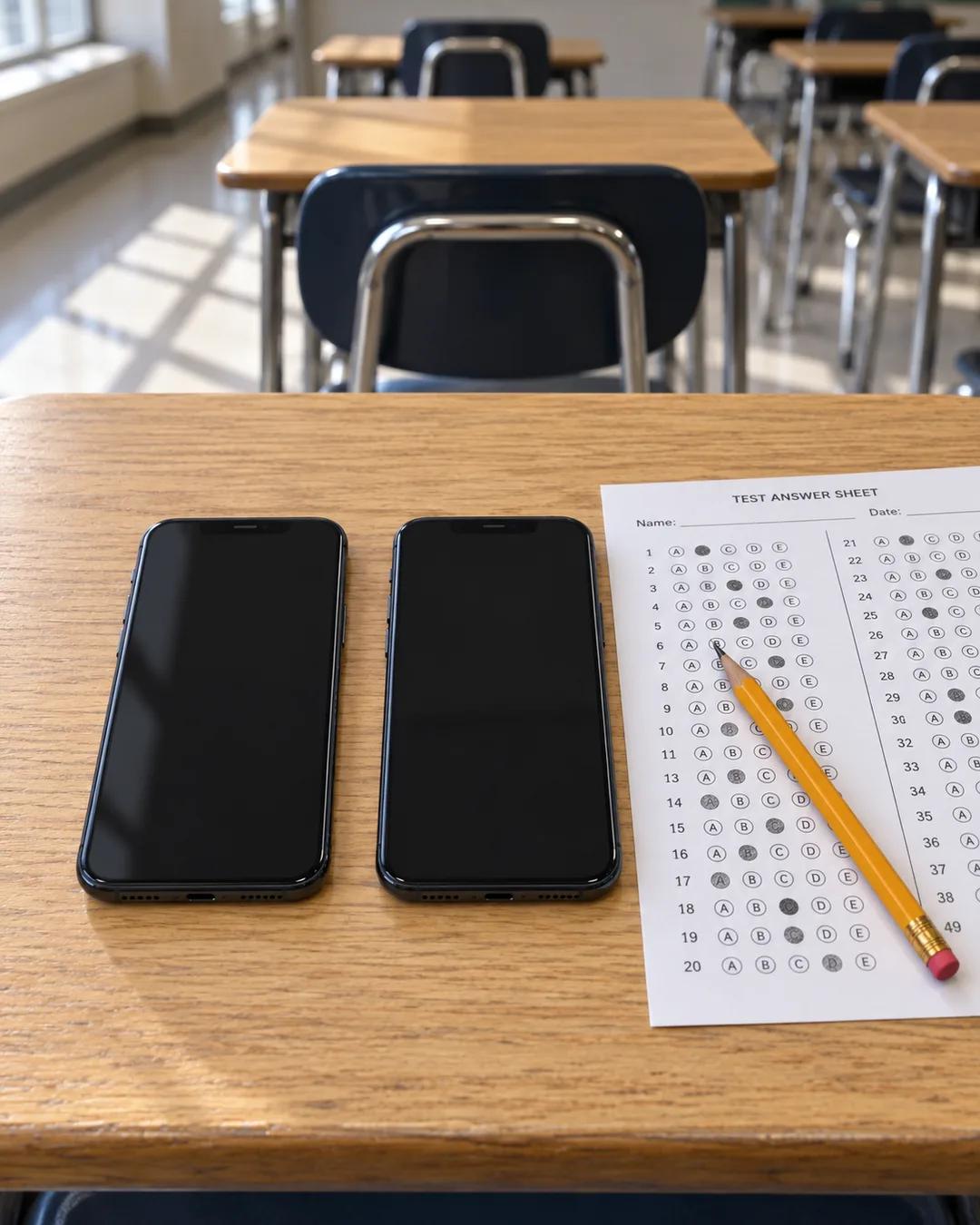
Same phones, different suicide trends

The smartphone theory
One explanation puts the blame on smartphones. By 2010 most kids carried a computer in their pocket all day, and Jonathan Haidt's argument is that it distracts them from everything else and drove the rise in anxiety, depression, and suicide. The large, better-designed studies and the meta-analyses find no meaningful correlation between time spent on smartphones, social media, or screens and any measure of mental health.
An American pattern
The rise in anxiety, depression, and suicide between 2010 and 2018 was an American phenomenon. Only two other countries show a similar jump, England and Sweden, and both had nationally mandated changes in schooling much like Common Core. Sweden adopted its change around the same time as the United States, England three or four years later, and the rise among young people in England began three or four years later too.
Before smartphones
Before smartphones, the trend ran the other way. Teen anxiety, depression, and suicide in the United States stood as high in 1990 as they did at their peak in 2018, then improved through 2010, the same years computers and the internet reached most homes. Richard Ryan found that the video games teenagers took to satisfied the three needs of self-determination theory: autonomy, competence, and, in multiplayer games, connection with peers.
How do researchers test screen time and wellbeing?
In 2019, Amy Orben and Andrew Przybylski of the University of Oxford analyzed three large datasets covering more than 350,000 adolescents in the United States and the United Kingdom. They tested thousands of possible ways to define technology use and wellbeing. Their paper in Nature Human Behaviour found that technology use explained at most 0.4 percent of the variation in adolescent wellbeing.
How do video games satisfy psychological needs?
Games let players choose their own goals and tools, which speaks to autonomy. They also offer graded challenges with instant feedback, which speaks to competence. In a 2006 paper in the journal Motivation and Emotion, Richard Ryan, C. Scott Rigby, and Andrew Przybylski found that players enjoyed games more and wanted to keep playing when the games met these needs.
Why do suicide statistics differ between countries?
National suicide figures come mostly from death certificates, which medical examiners or coroners classify using the World Health Organization's International Classification of Diseases. Countries differ in who certifies a death, what evidence is required, and how uncertain cases are recorded. The World Health Organization compiles the national figures and publishes age-standardized rates so that countries with different age structures can be set side by side.
More from Passion Struck with John R. Miles