Korva is a scroll of the internet’s best ideas.
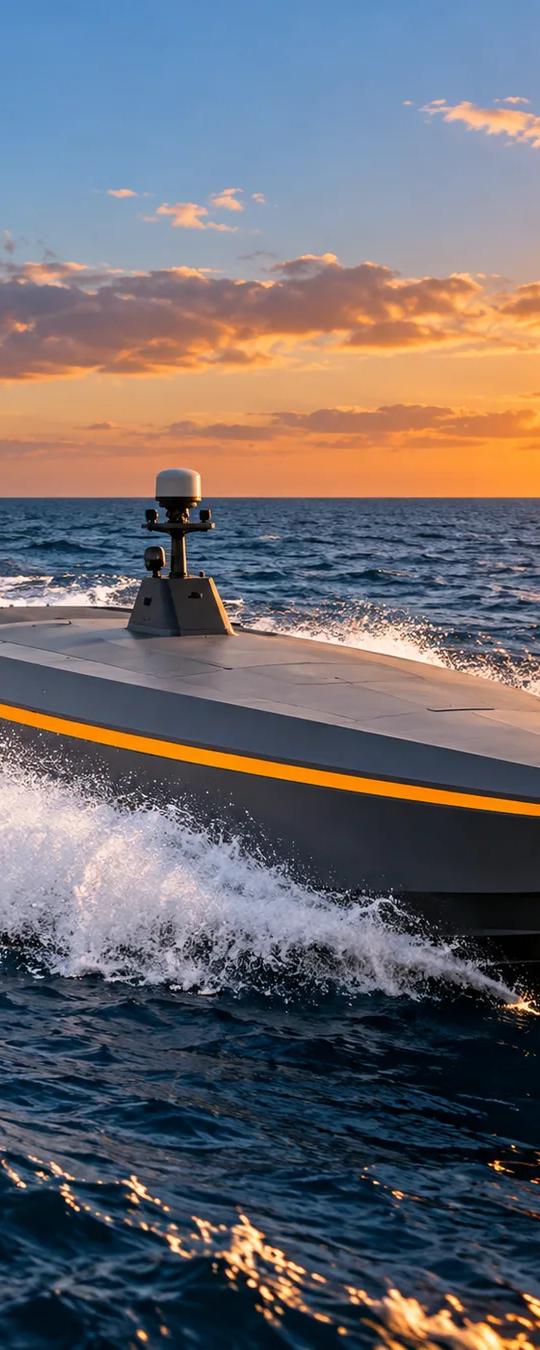
Saronic announces Brownsville shipyard

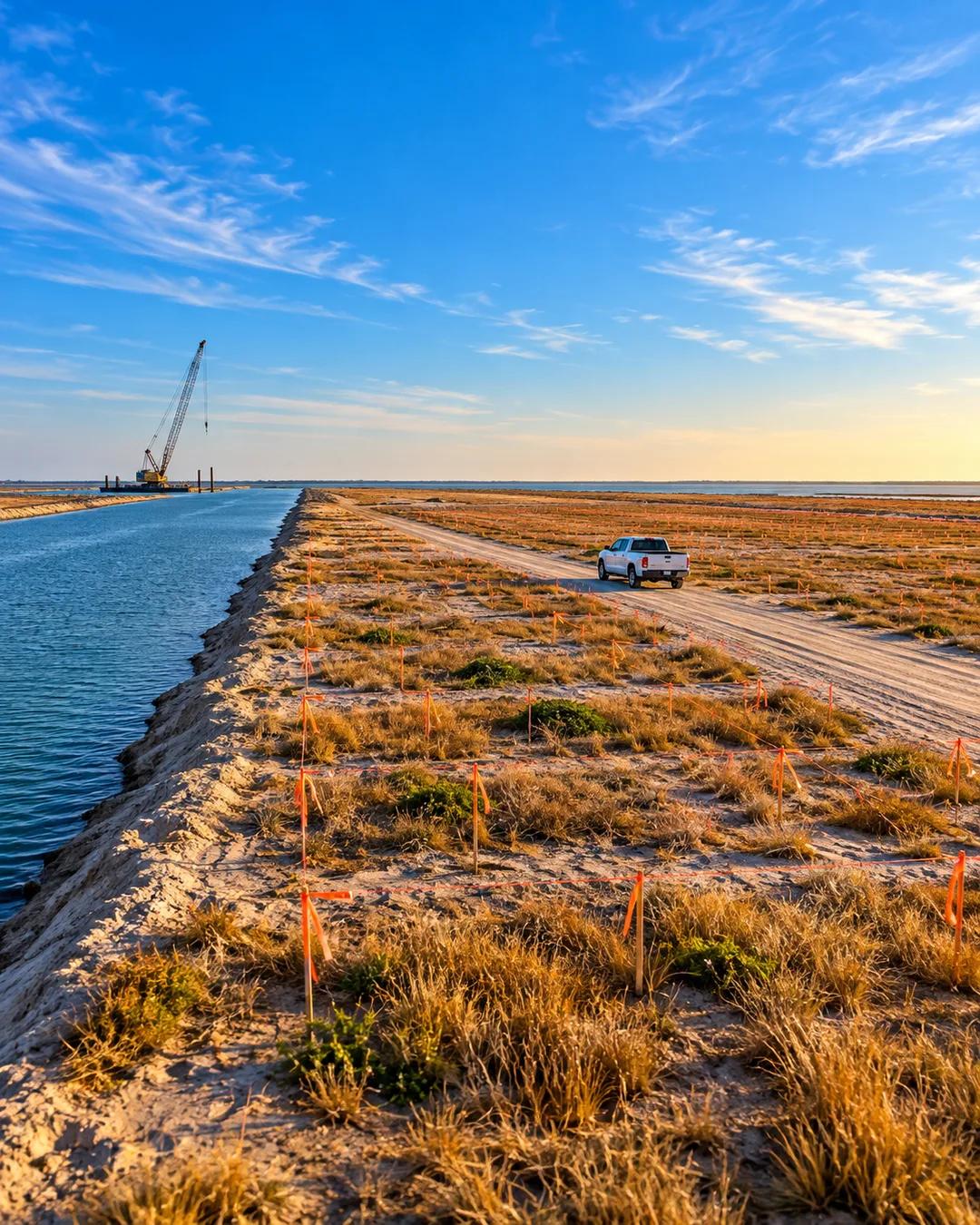
The site can grow to 4,000 acres over time. Saronic plans to invest billions of dollars and create 10,000 jobs over the next 10 years. The company is headquartered in Austin, and its search for the right location, land, workforce, and community took more than a year.
Saronic already operates a 100-acre shipyard in Franklin, Louisiana, where it builds the 180-foot Marauder. That yard is ramping up to 20 Marauders a year and can reach 50 per year.
Saronic described the goal of Port Arthur as bringing American shipbuilding back to a level not seen since World War II. It thanked Governor Abbott, Cameron County, and the city and port of Brownsville for making the project happen.
How does a shipyard build such large ships?
Modern yards build ships in blocks: large hull sections are fabricated indoors under cover, then moved to a dock or slipway and joined together. That method needs space for steel storage, fabrication halls, and a deep-water berth for finishing the ship afloat. Block construction spread widely after World War II, and Japanese yards refined it into a production line.
What makes Brownsville a port site?
The Port of Brownsville is a deepwater port on the Gulf of Mexico, reached by a ship channel of roughly 17 miles. It is the only deepwater port on the US border with Mexico. The port already handles bulk cargo, steel, and ship recycling work, so heavy marine industry is not new there.
How did World War II yards hire so quickly?
Kaiser's Richmond yards in California grew to employ tens of thousands of workers, many of them women who had never worked in industry. The company built housing, child care centers, and a prepaid health plan to bring people to the yards. That health plan, begun for shipyard workers, grew into Kaiser Permanente.
More from All-In with Chamath, Jason, Sacks & Friedberg