Korva is a scroll of the internet’s best ideas.
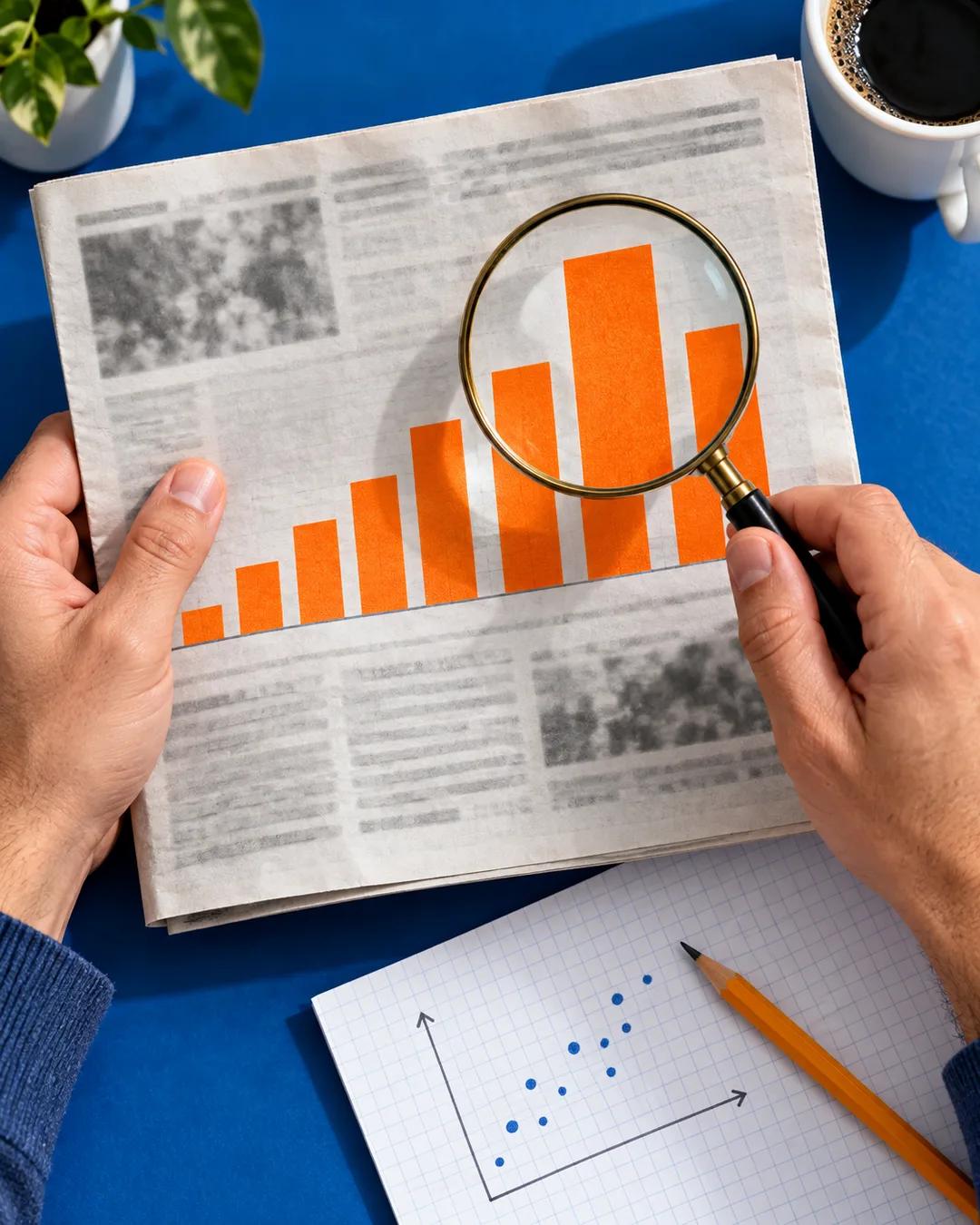
Schools skipped data science for coding
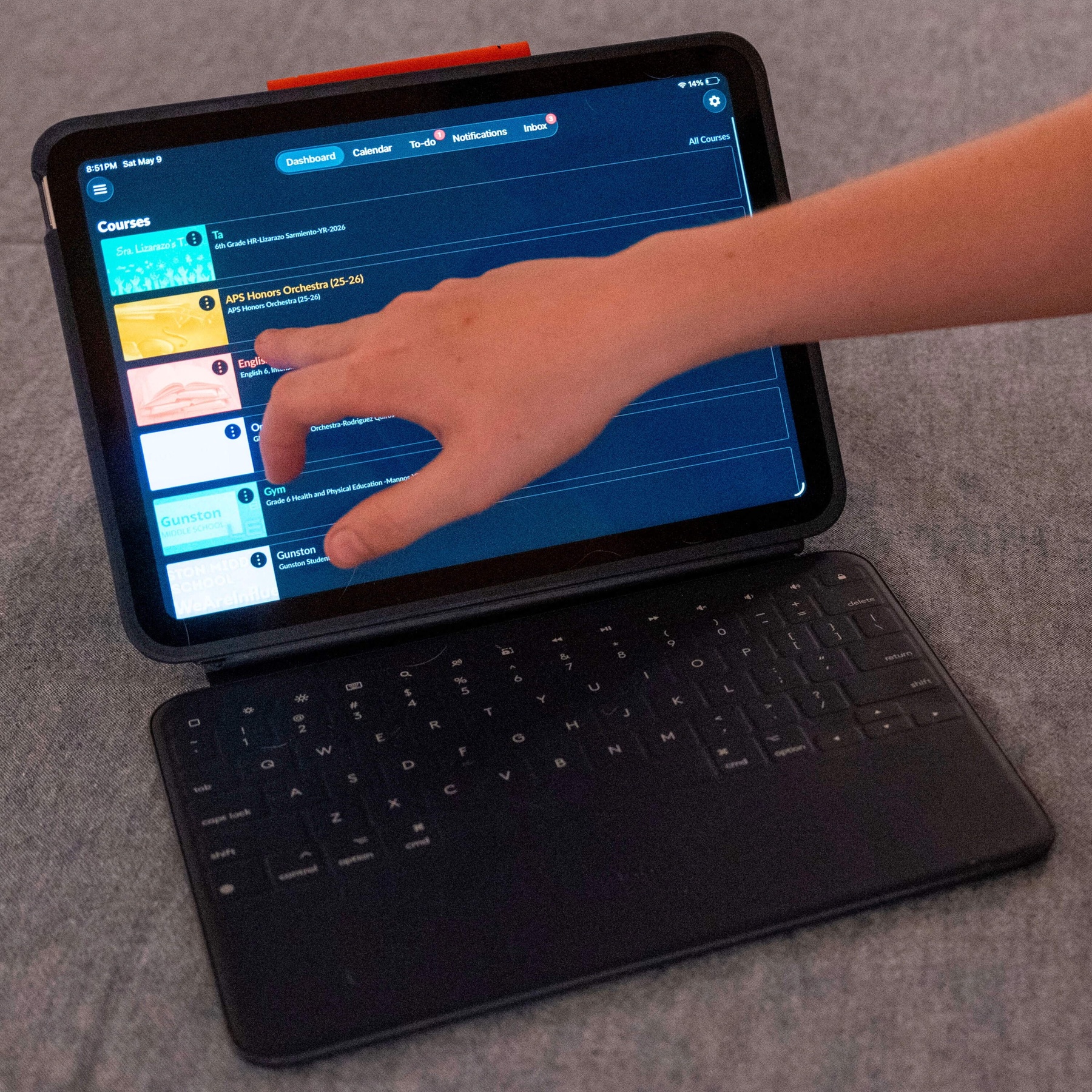
Schools went hog wild for coding. Data science teaches kids to analyze data sets, make things with data, and think about how data is manipulated by researchers and by trolls on social media. It lets a reader of the news check whether a statistic holds up, and a reader of a science paper judge whether an intervention is statistically significant.
It also teaches math and some coding. Even so, it gets little push in schools, because no trillion-dollar companies campaign for it and no tech billionaires tell families that learning data science leads to an amazing career. When big tech puts a finger on the scale, education tips toward what favors the tech industry.
Microsoft president Brad Smith holds that the tech industry stepped in because public schools weren't equipped to teach modern subjects like computer science fast enough, and that its help is better than nothing.
How does data science expose bad statistics?
Data science teaches habits such as asking how a sample was chosen, what else could explain a pattern, and how common something is to begin with. It also covers statistical significance, which asks how likely a result this extreme would be if nothing real were going on. In 2005 Stanford researcher John Ioannidis published a paper arguing that many published research findings in medicine are false, in part because of chance results and small studies. The paper became one of the most cited in the history of PLOS Medicine.
How do charts and data mislead on social media?
Common tricks include cutting off the vertical axis to exaggerate a change, choosing a time window that flatters a claim, and showing two trends together as if one caused the other. Tyler Vigen's Spurious Correlations project pairs unrelated data series that move together by chance. One of its famous examples matches American cheese consumption with deaths from becoming tangled in bedsheets. Chance matches like that are easy to find when the data set is large.
More from Fresh Air