Korva is a scroll of the internet’s best ideas.
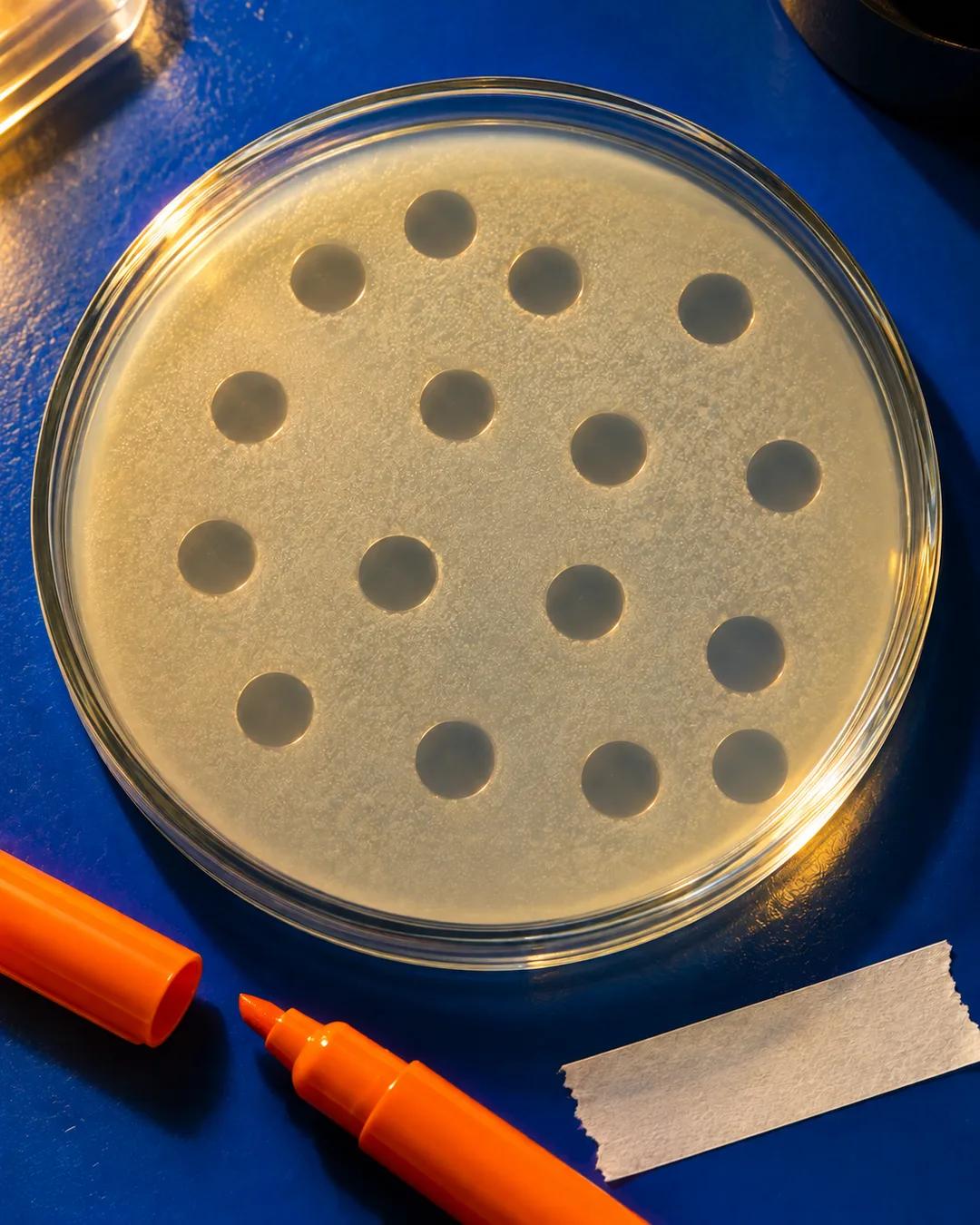
Scientists built 16 AI-designed viruses

The work appeared in the journal Science. The team used a genomic language model, which learns from the four nucleotides, A, G, C, and T, the way a chatbot learns from words. The model is Evo 2, and for this project it was trained on a couple million bacteriophage genomes. Bacteriophages are viruses that infect only bacteria.
The model designed bacteriophage genomes, and scientists then did the synthesizing in a lab. Some of the designs produced new variants of viruses, a first for AI-designed genomes. The viruses targeted E. coli, and the work is aimed at drug-resistant bacteria that antibiotics cannot kill.
The paper drew coverage from the New York Times and Wire.
How does a phage infect a bacterium?
A phage first attaches to specific receptor proteins on the surface of a bacterial cell. Many phages, including the classic E. coli virus T4, then inject their DNA through a tail that works like a syringe. Inside, the viral genome takes over the cell's machinery to build new phage particles, and the cell bursts open to release them. A single infected cell can release on the order of a hundred new phages.
Why can a language model write DNA?
Genomes follow patterns much like sentences do. Protein-coding genes are read in three-letter units called codons, so a model that predicts the next letter well has to learn which stretches of sequence make working proteins. Evo 2 learned these patterns from genomes across many kinds of organisms before being tuned for this project. The Arc Institute described Evo 2 in early 2025 as able to take in up to a million nucleotides at once.
Why use viruses against drug-resistant bacteria?
Phages kill bacteria by a different route than antibiotics do, so a bacterium's resistance to a drug does not protect it from the phage. Each phage also recognizes only particular bacterial strains, which leaves most other microbes alone. The idea is old: Félix d'Hérelle named bacteriophages in the 1910s, and phage therapy was used in Soviet Georgia for decades. The Eliava Institute in Tbilisi, founded in 1923, still studies it.
More from Lightwork