Korva is a scroll of the internet’s best ideas.

Today's limits
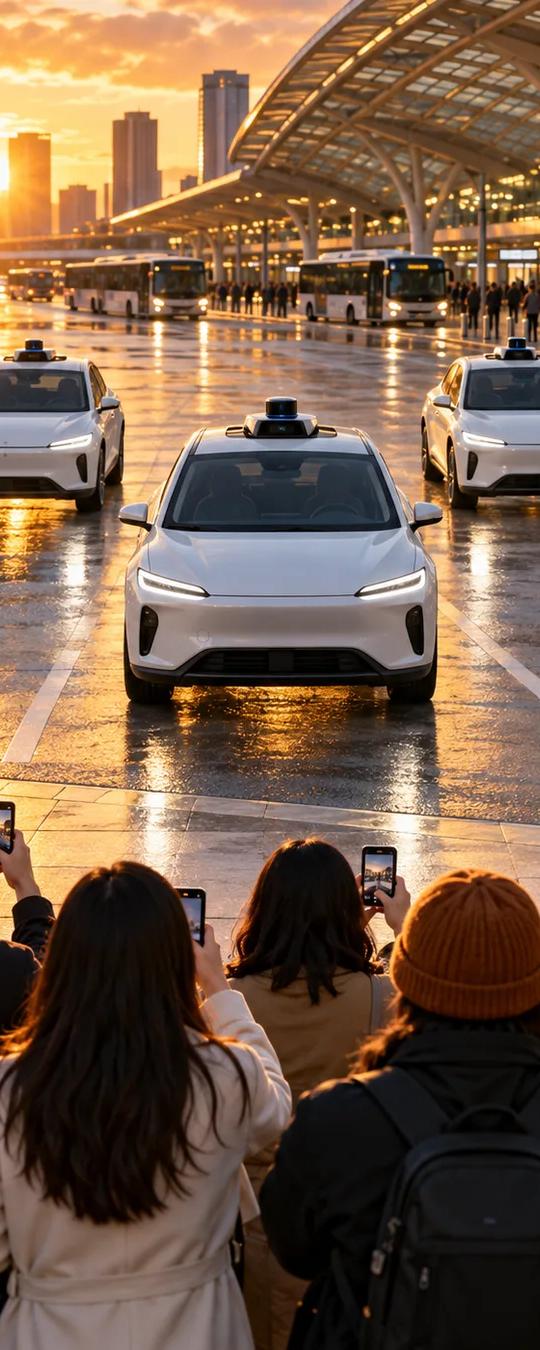
Today there are real limits. An autonomous ride is slower than a human driver in most cases. The pickup point may not be right in front of the door, and the service does not yet work in all weather conditions, geographies, or pickup points.
Why it keeps improving
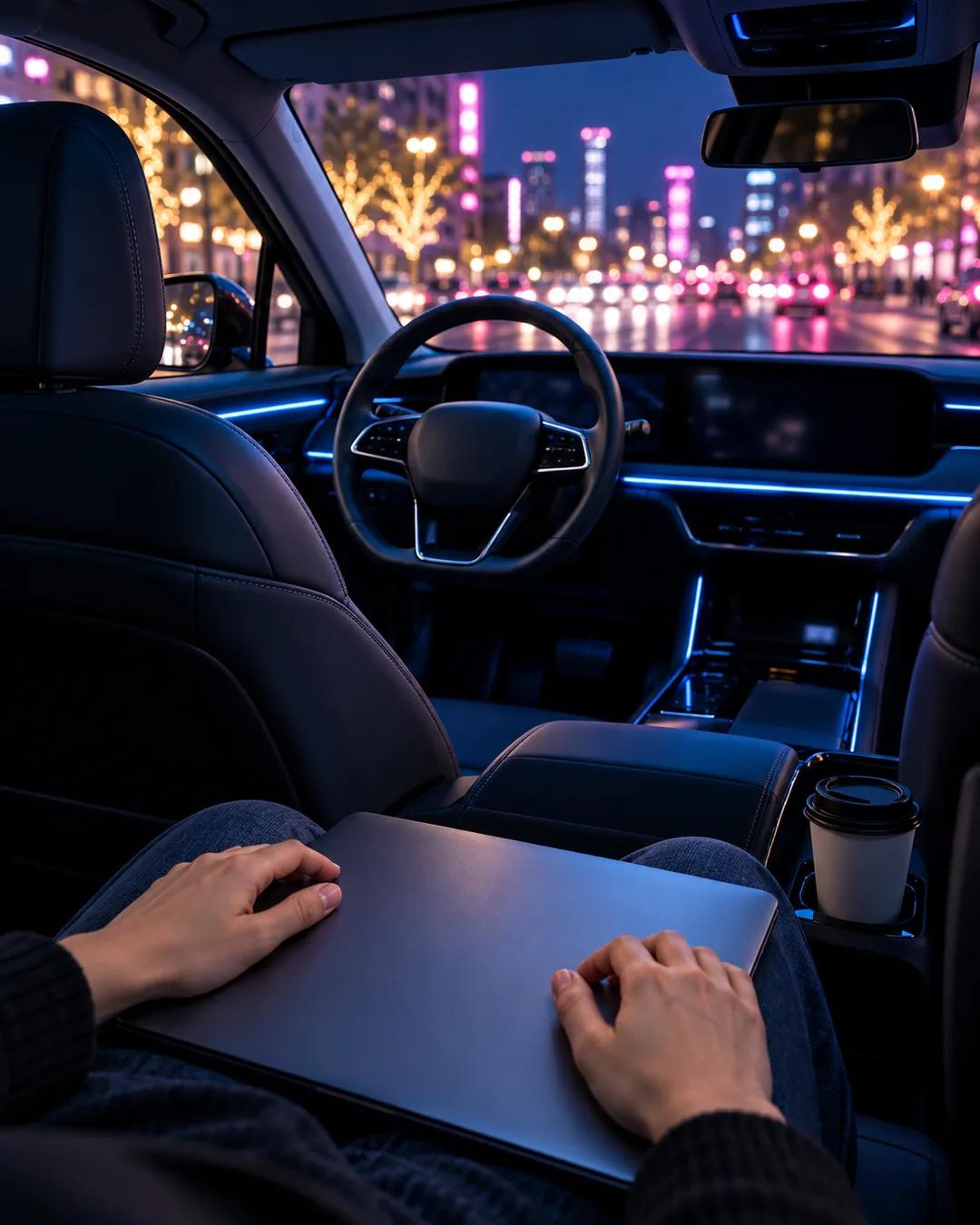
Over time, autonomy gets safer than human driving and the in-car experience gets better. A passenger has privacy in the car and can work, sleep, or talk with a partner. Autonomy is as bad as it is ever going to be today, and every single day it improves.
Uber's investment
A platform without autonomy would be selling the weaker product. Uber is investing aggressively through equity stakes in companies, purchase commitments, autonomous infrastructure, and data-collection fleets, and it is the largest single standalone investment area the company has, even though billions of dollars move through the company every month. Whatever the cars look like, ridesharing still comes down to price, reliability, and safety.
Why does bad weather trouble self-driving cars?
Rain, snow, and fog degrade the sensors a car uses to see. Cameras lose contrast, laser pulses scatter off raindrops and snowflakes, and snow can cover the lane markings that cars use to position themselves. Radar works better through weather but produces a coarser picture. Waymo began its commercial service in Phoenix, a city with little rain and no snow.
Why do robotaxis carry so many sensors?
Each sensor type has different strengths. Cameras read color, signs, and signals, lidar measures distance precisely by timing laser pulses, and radar measures speed and keeps working in poor visibility. Combining their readings is called sensor fusion, and it covers the weaknesses of each sensor. Lidar stands for light detection and ranging.
Why would autonomy end up safer than human driving?
The US National Highway Traffic Safety Administration's 2015 crash causation study assigned the critical reason for a crash to the driver in about 94 percent of the crashes it studied. Automated systems do not get tired, drunk, or distracted, and a fix learned by one car can be sent to the whole fleet. The same NHTSA report noted that its figure does not mean driver error was the only cause of those crashes.
More from The Twenty Minute VC (20VC): Venture Capital | Startup Funding | The Pitch