Korva is a scroll of the internet’s best ideas.
Selling winter to South America

Shipping ice south
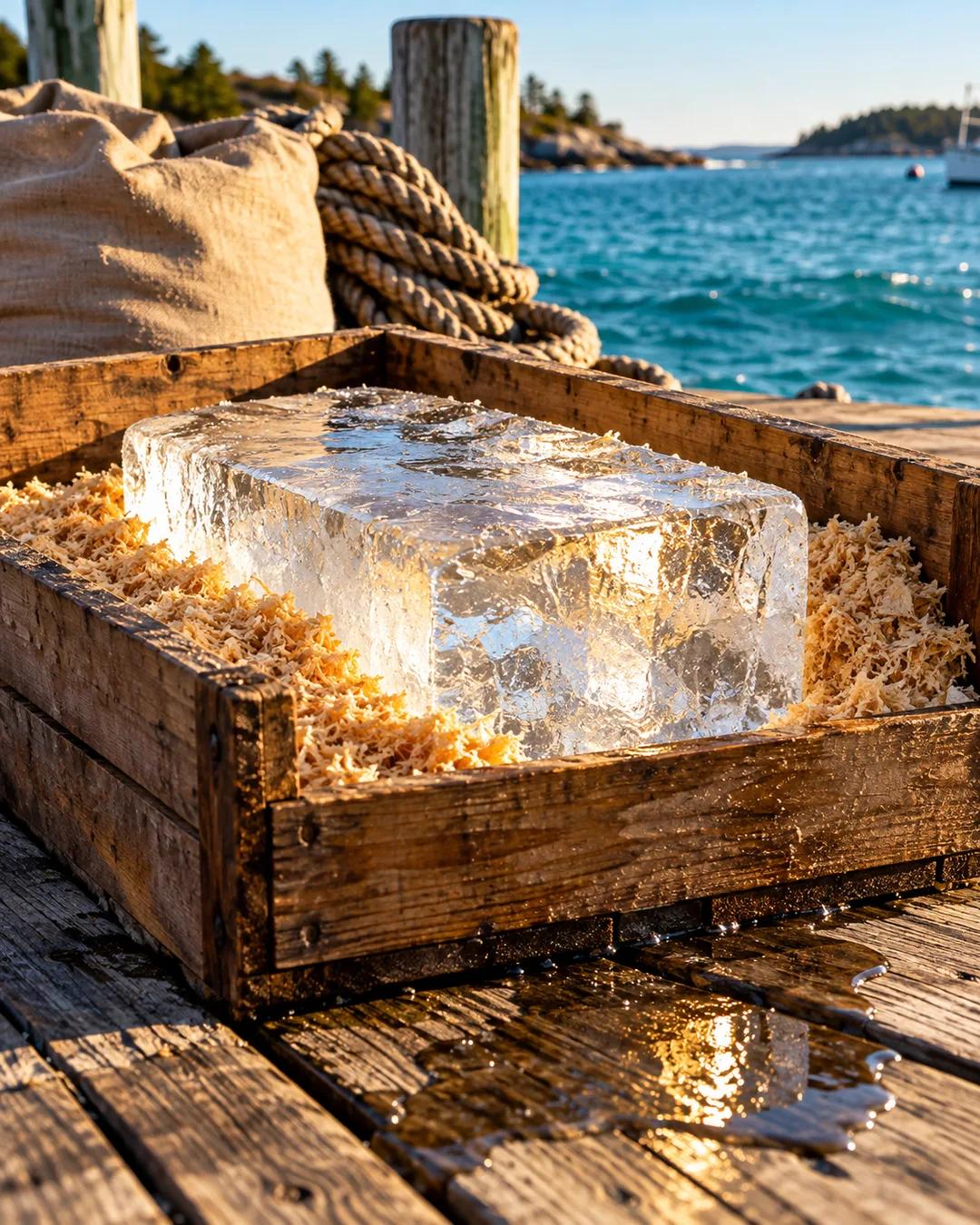
Tudor worked before refrigeration or freezers had been invented, and he described what he sold as winter. He wrapped his blocks and covered them with sawdust, which kept the ice frozen a little longer. A shipment might leave with 200 pounds and, after a month on a boat, arrive with about 70. He sold the 70 anyway.
Building the demand
Buyers had no idea what to do with it. They bought the ice, and then they came back complaining that it had melted. Tudor had spent a month at sea delivering something nobody wanted, so he had to build the desire himself.
He settled on a hero product: cold drinks on a hot day. He gave bartenders free ice and asked only that they start serving rum chilled. Once customers had tasted cold rum, warm rum lost its appeal, and the demand started to build.
The trade grew into something large. Tudor pioneered new methods of refrigeration and freezing to move the ice, and that work put him out of business, because people realized they could freeze water and make ice themselves. The ice trade collapsed.
Why does sawdust keep ice from melting?
Sawdust is full of tiny pockets of air, and trapped air conducts heat very poorly. Packed around a block of ice, it slows the warmth moving in from outside. Nineteenth-century icehouses relied on the same trick, packing harvested ice in sawdust or straw. Ice stored that way could last well into summer.
How did machines end up replacing harvested ice?
Mechanical refrigeration works by compressing a gas and then letting it expand, which pulls heat out of its surroundings. A Florida physician named John Gorrie received a US patent for an ice-making machine in 1851. Carl von Linde developed a practical compression system in Germany in the 1870s. Commercial ice plants spread through the late nineteenth century and gradually took over from lake-cut ice.
Why does cold change how rum tastes?
Aroma compounds evaporate more slowly at low temperatures, so fewer of them reach the nose. Much of what people call flavor is actually smell. Chilling a spirit therefore mutes its strongest vapors. This is why the same drink can taste noticeably different at room temperature and over ice.
More from My First Million