Korva is a scroll of the internet’s best ideas.
Send the originals to Nineveh

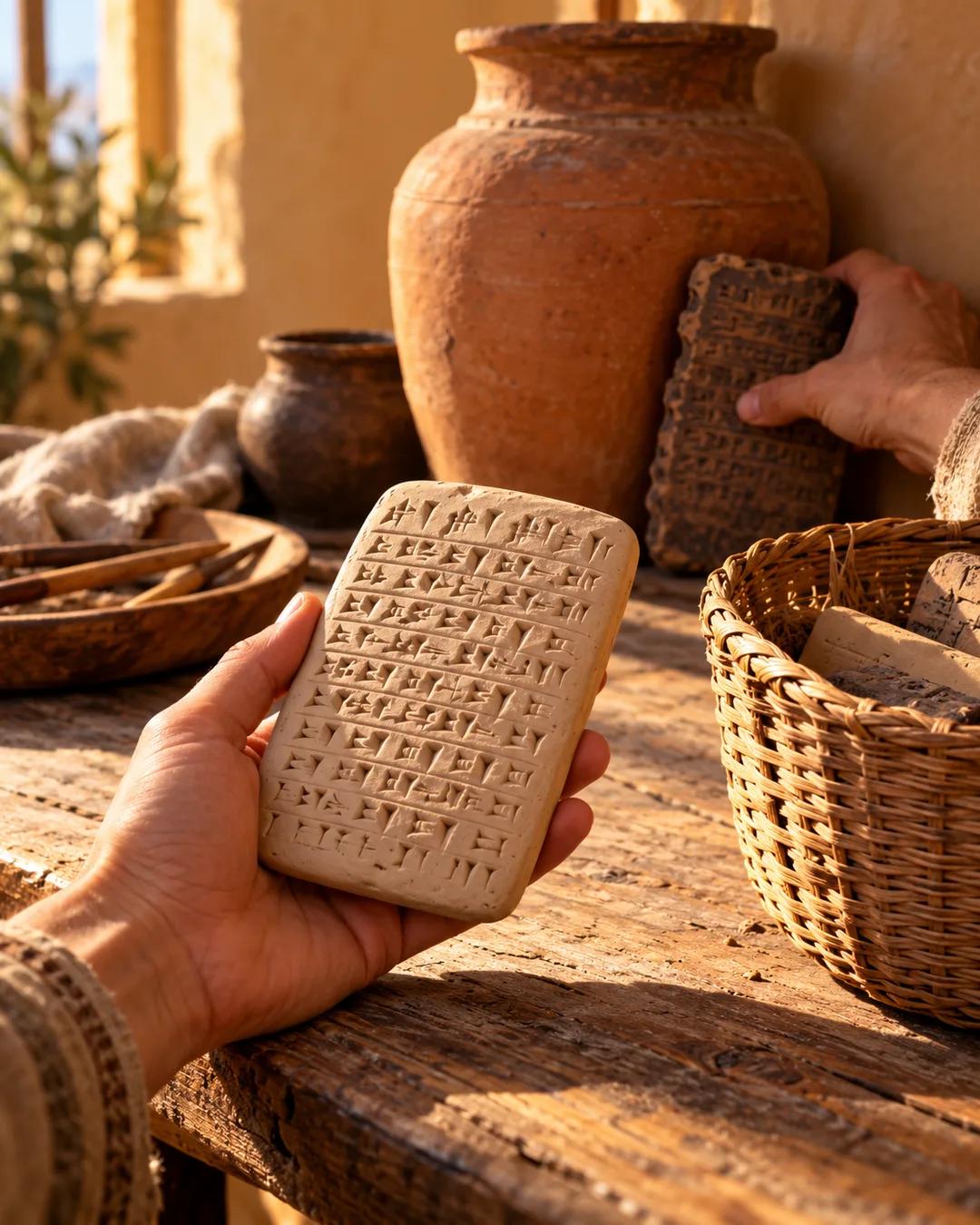
The order to send texts
Often the texts were copied, and he received either the copies or the originals. Surviving documentation suggests that what he really wanted were the originals, and that people may have creatively misunderstood his instructions so they could keep them in their own temples and collections.
Surviving correspondence also shows he knew where to find the texts he wanted, and who was likely to own good additions that he did not already know about.
The library itself
Excavations at Nineveh have unearthed more than 20,000 clay tablets and fragments, many with standardized colophons that suggest a systematic method of labeling and cataloging. Plenty of monarchs and temples had collections long before, but this is one of the oldest known libraries that was systematically acquired and organized. The number of complete tablets is unknown.
Ashurbanipal described the library as containing all knowledge. It held texts on medicine, mathematics, and history, along with epics, myths, and dictionaries. Much of the Assyrian literature that still exists today, including the Epic of Gilgamesh, survives because he put it there.
What did a colophon tell a librarian?
A colophon is a note a scribe added at the end of a tablet. It typically gave the title of the work, the name of the copyist, and often a statement of who owned the tablet. Tablets that belonged to a series often ended with a catchline repeating the first words of the next tablet, so a librarian could put them in order. Many colophons from Nineveh name Ashurbanipal as owner and invoke the god Nabu, the patron of scribes.
Why did clay tablets outlast papyrus and parchment?
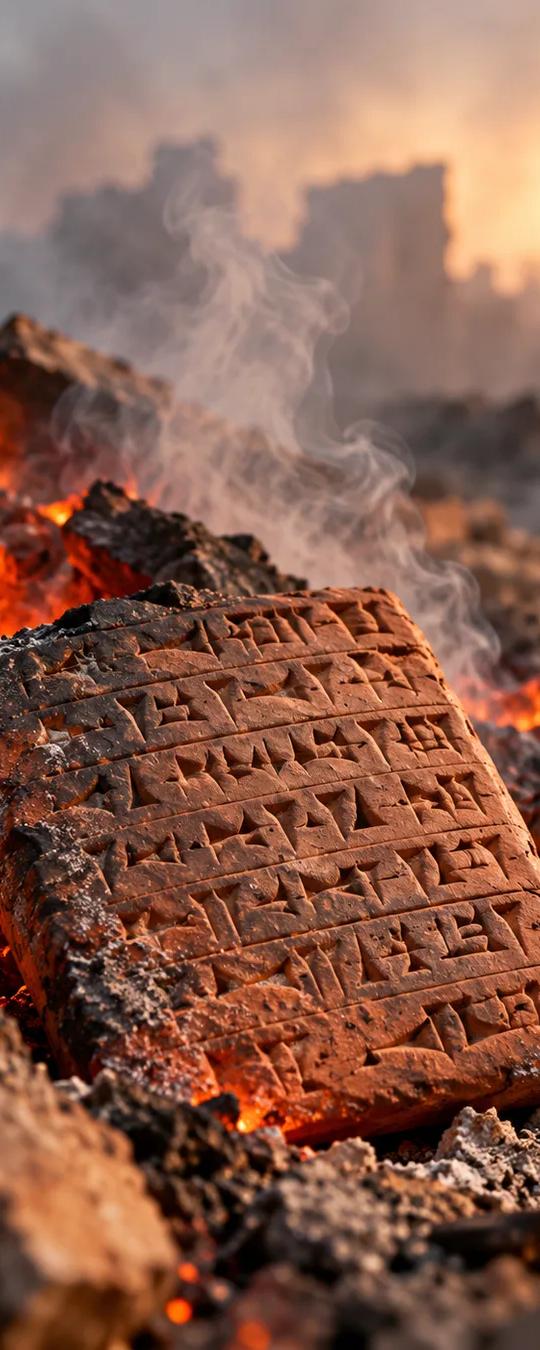
Clay does not rot, burn away, or attract insects the way papyrus and parchment do. A tablet that was never fired could dissolve in water, but one baked by accident in a fire became ceramic. Mesopotamian scribes wrote on clay for around three thousand years, which is why hundreds of thousands of tablets survive in museums today.
Why is Gilgamesh known mostly from Nineveh?
The most complete version of the Epic of Gilgamesh, known as the Standard Babylonian version, was reconstructed largely from tablets found in Ashurbanipal's library. It runs to twelve tablets. In 1872 George Smith, a British Museum assistant, read the flood story on one of the Nineveh fragments and announced it to the Society of Biblical Archaeology in London.
More from Stuff You Missed in History Class