Korva is a scroll of the internet’s best ideas.
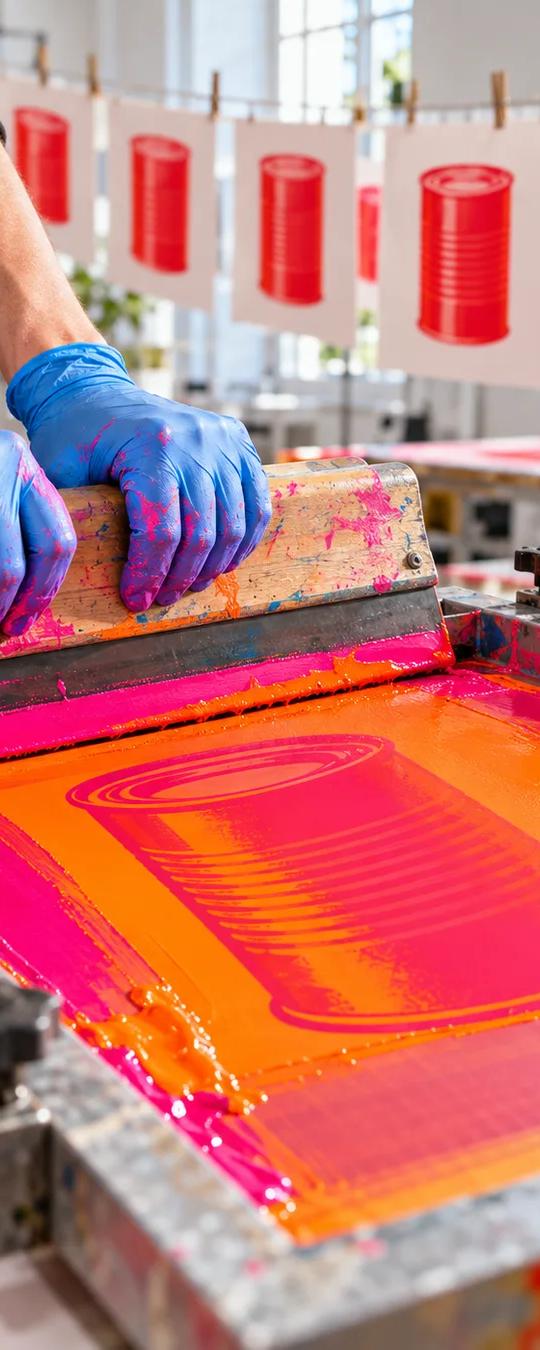
Set the deadline at ninety percent
Four phases
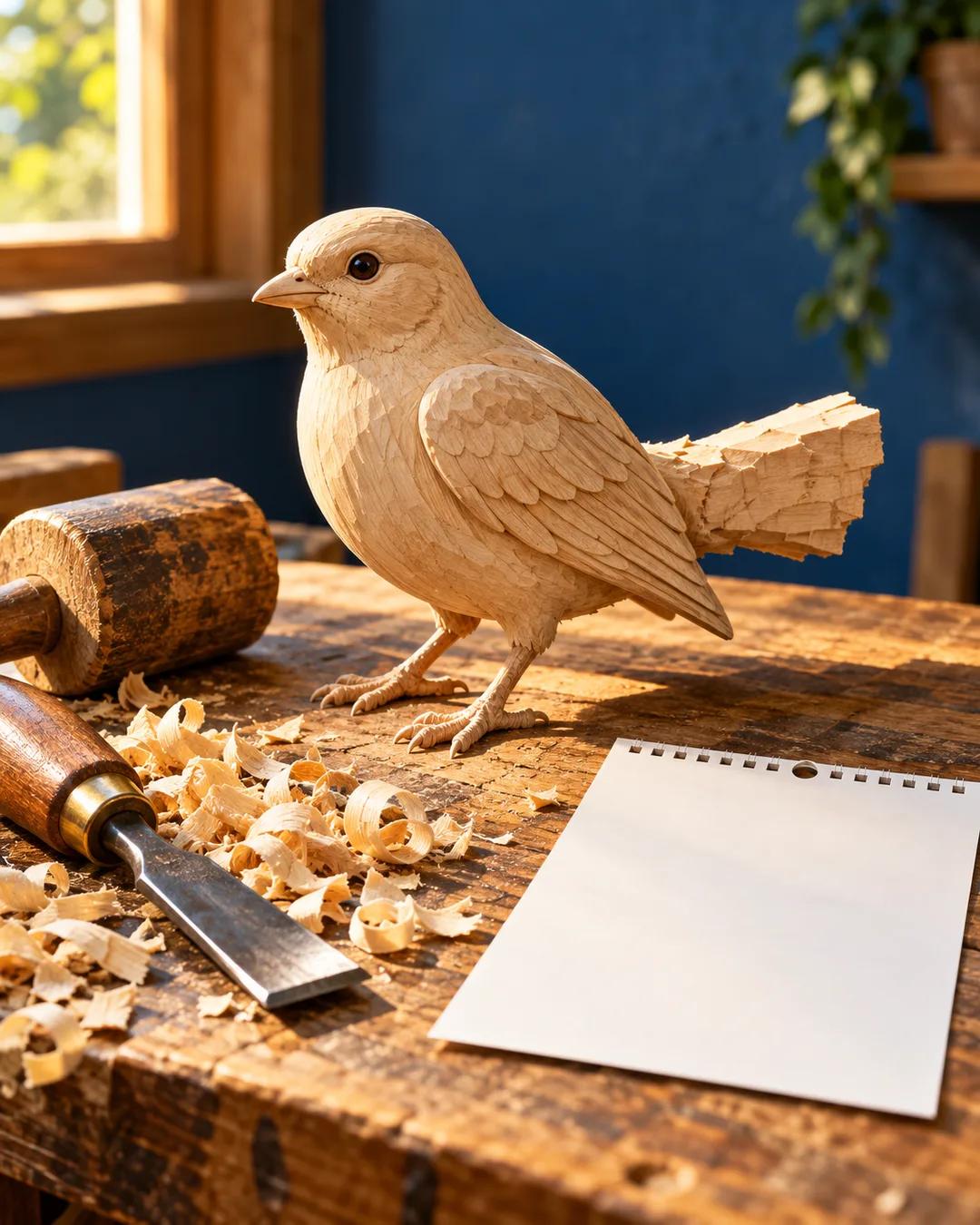
Early in a creative project nobody knows what is being made, so a timeline has nothing to attach to. The work moves through four phases: seed, experimentation, crafting, and finishing. In the seed phase you try a lot of things, and it takes as long as it takes. In the experimental phase you take the seeds and find out what they want to be.
Crafting still takes time, because now the seed has grown and you start trimming it into the shape you see. All of that happens before any idea of a timeline, since until then the thing is only a dream. When it finally sits in front of you, good and not yet finished, the question of when can come up. Good here means good to the maker, and that is where it ends.
Where the deadline goes
Only at that point does a deadline get set, and only for the last 10 percent of finishing. By then the code is cracked and the shape of the thing is clear. That final stretch probably won't make or break the project.
Why do projects fill whatever time they're given?
The British writer Cyril Northcote Parkinson stated in a 1955 essay in The Economist that work expands to fill the time available for its completion. His example was the civil service, where staff grew regardless of how much work there was. The idea became known as Parkinson's law. In project management it explains why a looser deadline often produces the same output later, not a better one.
Why do people underestimate how long projects take?
Daniel Kahneman and Amos Tversky named this the planning fallacy in 1979. People picture the best-case path and underweight the delays that hit similar projects. The Sydney Opera House was estimated in 1957 to take four years and cost 7 million Australian dollars. It opened in 1973 at a cost of 102 million.
How do artists know when a work is finished?
There is no agreed test, which is why a line often attributed to the French poet Paul Valéry says a poem is never finished, only abandoned. Painters, writers, and composers have all reworked pieces for years after first showing them. Leonardo da Vinci kept the Mona Lisa with him until his death in 1519. Walt Whitman revised Leaves of Grass through several editions over decades.
More from The Diary Of A CEO with Steven Bartlett