Korva is a scroll of the internet’s best ideas.
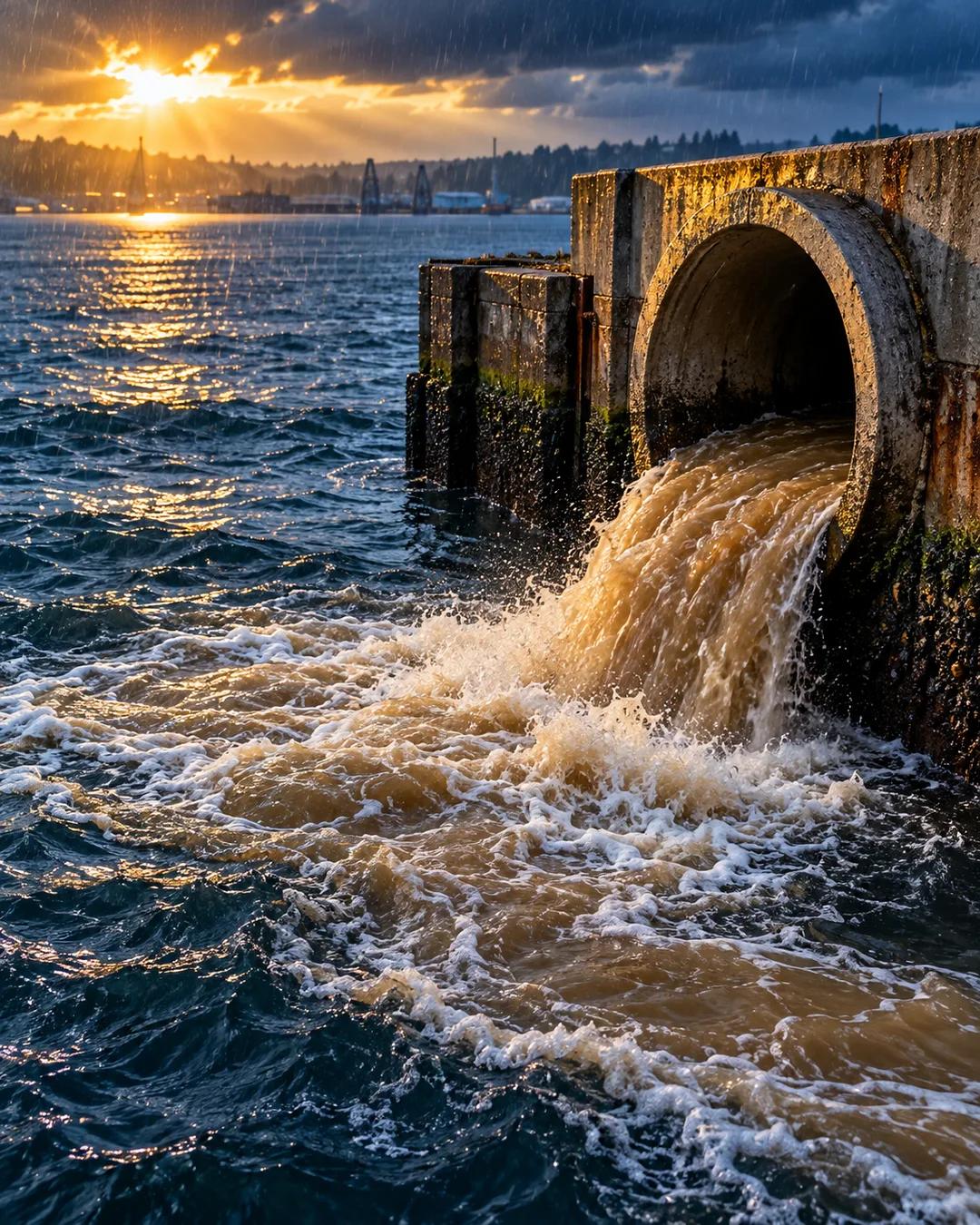
Sewage overflows on rainy days

Why they built it this way
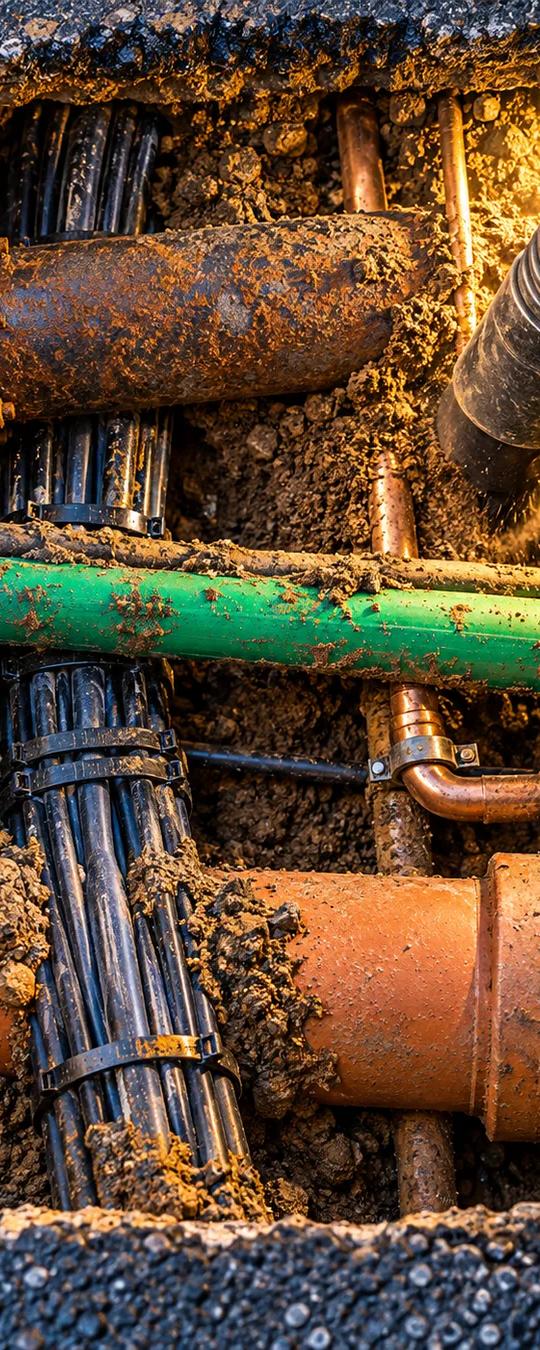
Much of the sewer system was built before modern environmental rules. The goal back then was to get waste out of town, not treat it, so stormwater was diverted into the same pipes as sewage, where it actually helped by diluting what was discharged directly into waterways.
The overflow problem
Now the combined pipes carry more than the plants can handle during storms, and the discharge points are called combined sewer overflows. Dumping raw sewage is highly restricted under modern law, but the fix is close to impossible to do all at once, since the systems were built over decades.
The deal and the fixes
The city operates under a consent decree with the state that amounts to a deal: no fines for the overflows, as long as a plan to eventually stop them is carried out. Curbside rain gardens and massive underground retention tanks like the one at Newtown Creek are slowly cutting the number of overflows, and newer parts of the city have entirely separate sanitary and storm sewers, with catch basins lining the streets.
Why were sewers built to carry both?
One pipe cost far less to dig than two, and cities grew faster than their budgets in the 1800s. Engineers of the era also regarded flushing waste into a nearby river as the goal, so there was no treatment plant to feed. Most American cities built combined systems before about 1900. Separate sewers became standard once treatment plants made keeping the two streams apart worthwhile.
How does a retention tank stop overflows?
The tank holds the surge of mixed sewage and stormwater during a storm instead of letting it spill into a waterway. After the rain ends, the stored flow is pumped back to a treatment plant at a rate the plant can handle. The Newtown Creek tank is one of several large storage tunnels and tanks the city has built for this purpose. A single tank can hold millions of gallons.
How do rain gardens cut overflows?
A rain garden is a planted depression at the curb that soaks up runoff from the street and sidewalk before it reaches a sewer inlet. Soil and plant roots absorb the water and slowly release it into the ground. Every gallon that stays on the surface is a gallon the combined pipes never receive. Cities call the broader approach green infrastructure.
More from Practical Engineering