Korva is a scroll of the internet’s best ideas.
Sharing hard things is a gift

Never be a burden
Many people grow up believing they must never be a burden, and staying quiet then denies others something. When Mel Robbins' father had an intact brain aneurysm that needed major surgery at the University of Michigan, her parents waited a month to tell her and her brother because they did not want to worry them. She was mad. Protecting her had denied her the chance to love and support them.
Two sides of one coin
The fear of bragging when things go well is the twin of this one, two sides of the same coin. In either direction, a person can deprive someone of the chance to be there for them.
Strangers who show up
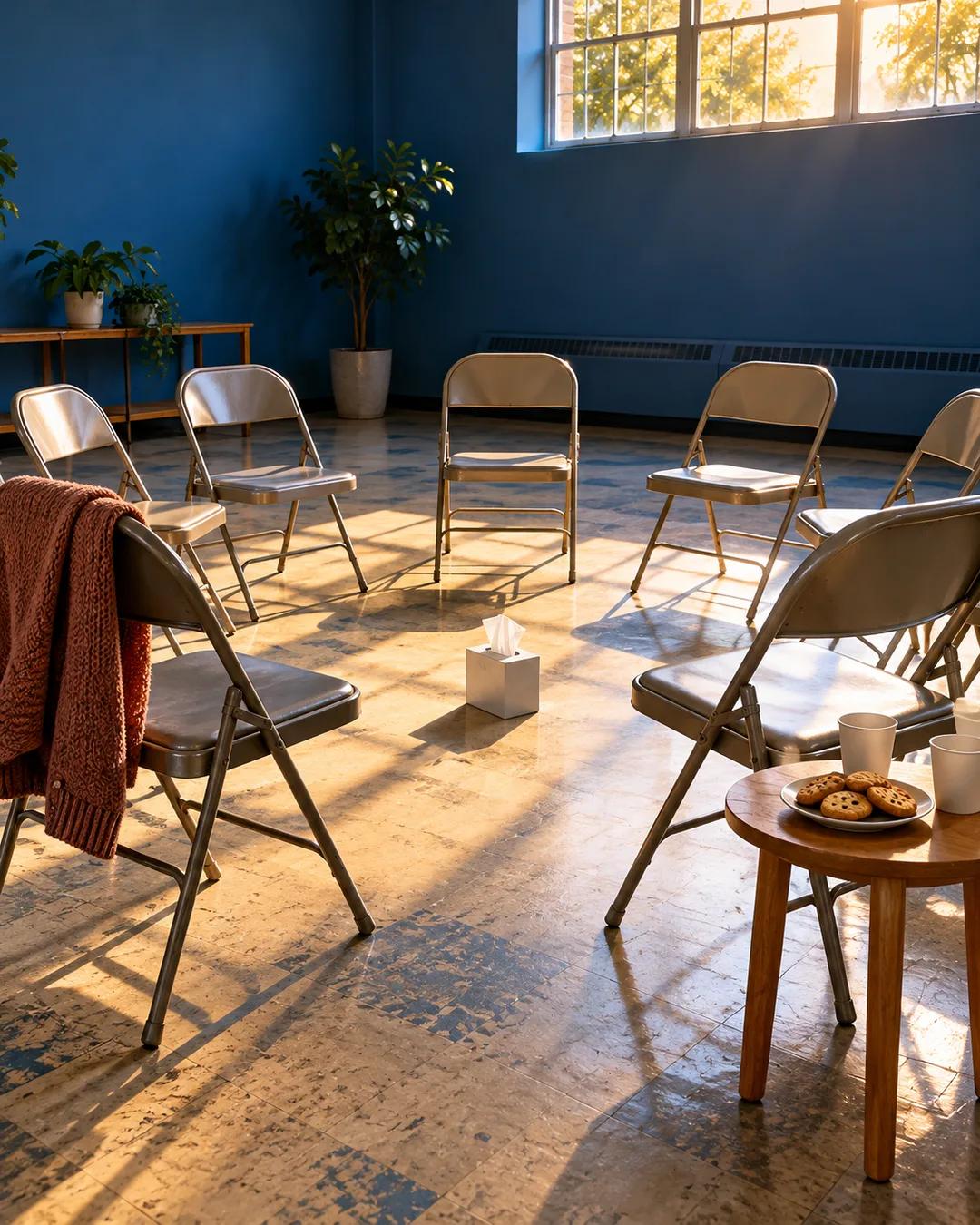
Strangers respond too. In a community center class, when one person is honest about grief, cancer treatment, or a divorce, someone who has been through the same thing and was a stranger a moment earlier shows up with moral support, advice, and resources. For them it turns a horrible experience into a source of meaning. Relationships run on interdependence: letting people be there strengthens the relationship and helps the other person.
Why do people underestimate others' willingness to help?
Vanessa Bohns and Francis Flynn reported in 2010 in the Journal of Experimental Social Psychology that people asking for help consistently underestimated how many others would say yes. In their studies, people who asked strangers for favors predicted far fewer agreements than they actually received. The researchers traced the gap to a failure to see how uncomfortable it is for others to refuse a direct request. The pattern held for asking for small favors and for larger ones.
Why do helpers often feel good helping?
Lara Aknin, Kiley Hamlin, and Elizabeth Dunn reported in 2012 in PLoS ONE that toddlers around two years old showed more happiness when giving treats to a puppet than when receiving treats. They showed the most happiness when giving meant giving up some of their own treats. The finding suggested that the pleasure of giving appears very early in development. Similar patterns have since been reported in other cultures.
How does sharing personal things build closeness?
Arthur Aron and colleagues at Stony Brook University reported in 1997 in Personality and Social Psychology Bulletin that pairs of strangers who took turns answering increasingly personal questions for 45 minutes felt closer than pairs who made small talk. The questions grew steadily more revealing, and each person answered the same ones. The method became known as the 36 questions. Aron's team later used the same approach in studies of friendship and intergroup relations.
More from The Mel Robbins Podcast