Korva is a scroll of the internet’s best ideas.

She might never hear the ending
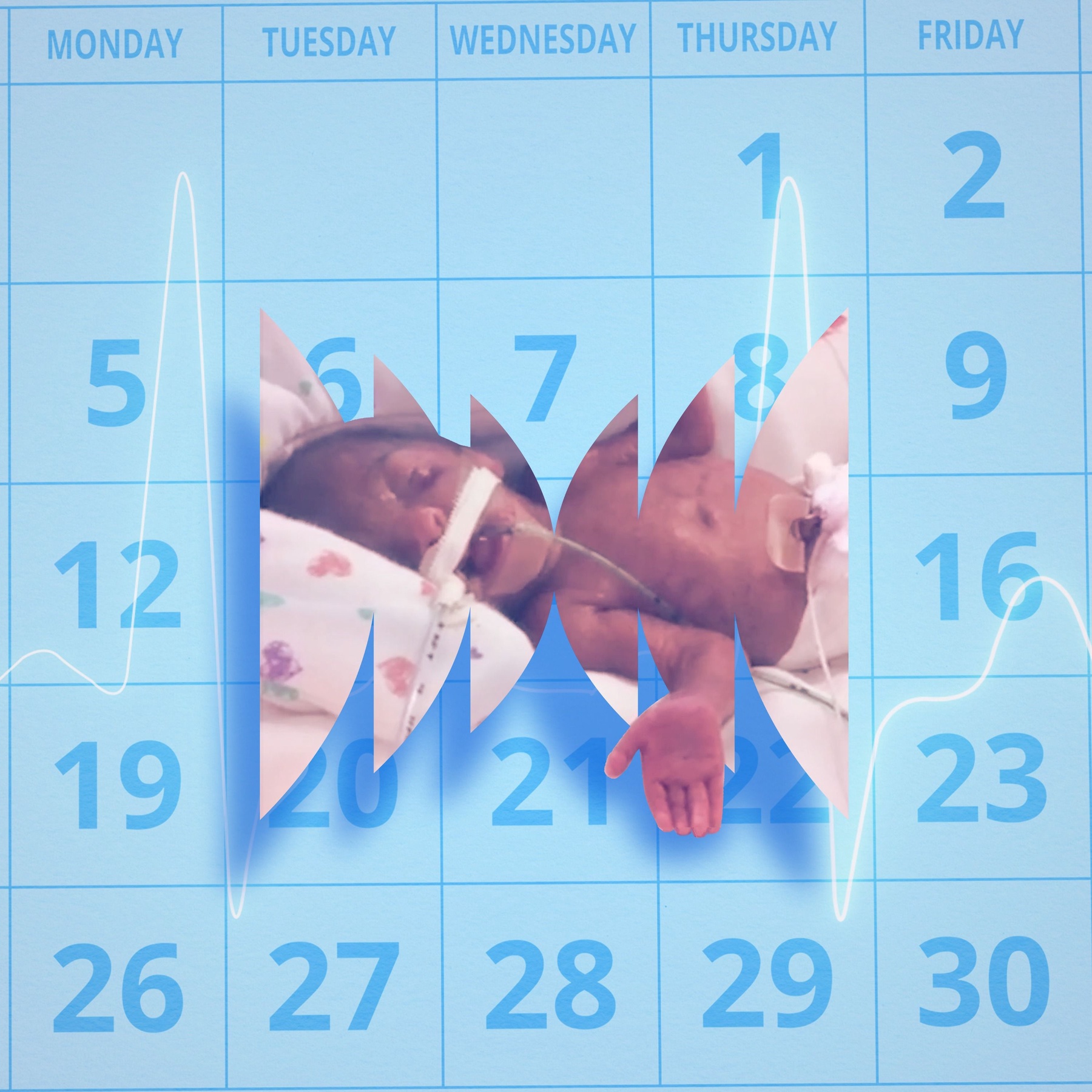
The surgeon's report
The surgeon came back to Tom and Kelly much sooner than expected. In a windowless conference room, she explained that when she touched Juniper's intestines with her probe, everything fell apart. Juniper had survived the operation, but barely. Kelly thought they had put her through an incredibly risky surgery for nothing, and that there was no way the baby would live until morning.
The thought in the car
Tom had been working hard to avoid thinking about the bad possibilities. He thought it was his job to hold on. Then, driving, a thought snuck in: what if he never got to finish reading her this book, and she never found out what happened to Harry, Hermione, and Ron? That let in every other thought, about all the things they would never do with her. He pictured her going from one box, the plastic incubator, to another.
He had to pull over, and he lost it. He and Kelly had a rule that only one of them got to lose it at a time, and that was his turn.
The next day
The next day, Juniper was still there. The surgeon was surprised, and no one could quite explain it. Kelly kept wondering what she was fighting for. Juniper had needles coming out in every direction and a tube down her throat, and she had no idea that one day she would be held and rocked, taken out for ice cream, and play with the dog. Their job became giving her a sense of something beyond that place.
Why did the intestine fall apart so easily?
Premature intestinal tissue is thin and has poor blood flow, so it can die and break down under stress. Necrotizing enterocolitis, the best known cause, involves inflammation and death of bowel tissue and mostly strikes premature babies. Josef Neu and W. Allan Walker wrote in the New England Journal of Medicine in 2011 that it affects about 7 percent of babies born under 1,500 grams.
How did intensive care for newborns begin?
In the early 1900s, a physician-showman named Martin Couney displayed premature babies in incubators at fairs and on Coney Island, charging admission to pay for their care. The exhibits ran until 1943. Hospital neonatal intensive care units took shape in the 1960s, with early units such as the one Louis Gluck started at Yale.
Why do NICUs dim lights and lower noise?
Premature babies' nervous systems are not ready for bright light and loud sound, and overstimulation can disrupt their breathing and heart rate. In the 1980s Heidelise Als developed a program called NIDCAP, which has caregivers watch each baby's signals and adjust light, noise, and handling to match. Many NICUs now build their rooms around these ideas, with covers over incubators and quiet hours.
More from Radiolab